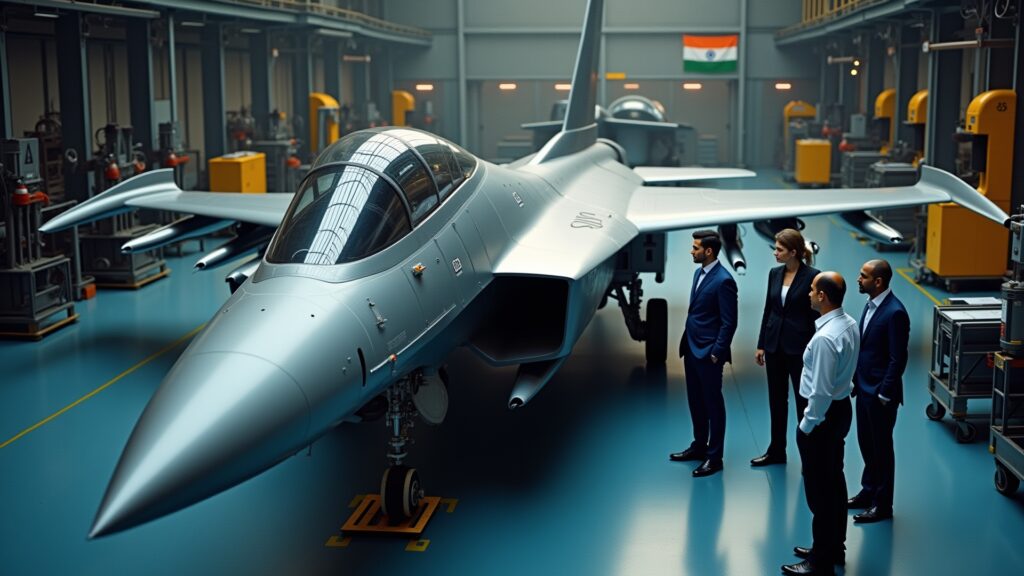
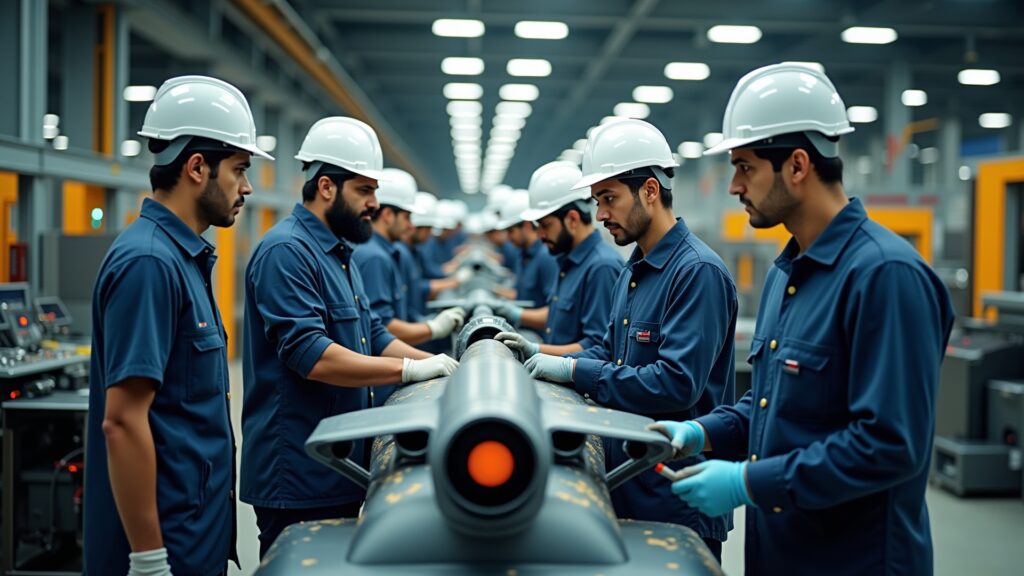
As a key player in defence manufacturing or investment, you understand that India’s evolving aerospace strategy demands your full attention. India’s bold dual-path approach for its sixth-generation fighters—balancing between full indigenous development and collaboration with global consortia like Europe’s Future Combat Air System (FCAS) or the UK-Japan Global Combat Air Programme (GCAP)—will significantly reshape the defence industrial landscape you operate within. This is not only about next-generation technology; it’s a moment that directly impacts your strategic positioning, supply chain resilience, and the future of India’s defence exports.
Why India’s Dual Strategy Matters to You
The significance of India’s dual strategy lies squarely in the convergence of global aerospace competitiveness and indigenous capability building. For you, whether you lead a private defence manufacturer, steer startup innovation, or evaluate investment opportunities, this approach signals a transition phase that creates both risk and opportunity.
The collaboration routes offer avenues for accelerated technology acquisition and integration into complex multinational value chains, accelerating access to cutting-edge avionics, AI-augmented systems, and stealth technologies. Simultaneously, the indigenous pathway ensures you are part of a growing domestic ecosystem where intellectual property control, customised regional capabilities, and export readiness form the core.
This dual-track strategy drives new procurement dynamics, policy reform opportunities, and demands adaptive supply chain strategies—all crucial inputs for your planning and decision-making.
Understanding India’s Sixth-Generation Fighter Ambitions
The leap to a sixth-generation fighter goes well beyond incremental upgrades: it integrates revolutionary elements such as advanced stealth, AI-enabled combat management, sensor fusion, and next-level propulsion that can redefine air dominance. India’s engagement with FCAS and GCAP allows you to tap into transnational pooled R&D budgets and shared expertise, reducing development timelines and costs.
At the same time, pursuing a wholly indigenous platform embodies the government’s push for self-reliance and defence exports. This pathway nurtures homegrown design and manufacturing capabilities, stimulates private-sector participation, and expands India’s aerospace industrial base—areas that you must navigate carefully to harness emerging market potentials.
Strategic and Industrial Impact: What You Need to Know
- Technology Transfer and Skill Development: Collaborative projects open direct channels for acquiring advanced aerospace technologies, which can elevate your internal capabilities.
- Supply Chain Risk Mitigation: Balancing local manufacturing with international collaboration reduces your exposure to geopolitical uncertainties and import dependencies.
- Industrial Ecosystem Growth: Indigenous development propels growth in MSMEs, startups, and private manufacturers in India, enhancing your innovation and production footprint.
- Complex Project Management: Managing simultaneous development tracks will require refined strategic procurement and clear policy frameworks, which affects how you bid for and deliver contracts.
Private Sector and Innovation: Capitalizing on Opportunities
As India deepens its footprint in international fighter development consortia, your opportunities to collaborate, innovate, and scale multiply. Government initiatives like iDEX catalyze the role of startups and private firms, empowering rapid iteration in avionics, sensor fusion, unmanned teaming, and AI—all critical for sixth-generation fighters.
At the same time, developing an indigenous fighter amplifies your ability to own intellectual property and tailor systems to specific regional defence needs. This enhances your strategic autonomy while opening export pathways to friendly markets seeking customised platforms.
“In defence, scale matters — but strategic self-reliance matters even more.”
Procurement and Policy: Navigating the New Landscape
Your role will increasingly intersect with a shifting procurement framework designed to support such multimodal development. This includes adaptive policies to promote domestic R&D investment, clearer technology transfer mechanisms, and more agile funding models.
Transparent and consistent policy will be vital, especially around offsets, industrial partnerships, and export controls, ensuring that both international collaborations and indigenous programs receive sustained momentum. This will directly influence your compliance, partnership strategies, and long-term planning.
What This Means for Your Business and Investment Decisions
- Understand the Balance: Gauge how your organisation can benefit from both international collaboration and indigenous R&D investments. Strengthen capability in areas complementary to these projects.
- Monitor Policy Shifts: Keep a close watch on procurement reforms, offset policies, and export regulations that will shape your operational environment.
- Invest in Innovation: Prioritise technology areas such as AI, avionics, sensor fusion, and unmanned systems that will be central to sixth-generation platforms.
- Prepare for Parallel Development: Adapt project management and supply chain systems to thrive within dual strategy complexities.
- Engage with Startups and MSMEs: Build partnerships within India’s growing defence innovation ecosystem to access new ideas and talent.
“The real edge is not only in buying capability, but in building the industrial depth to sustain it.”
Risks and Challenges to Consider
While promising, the dual strategy is not without inherent challenges. Coordinating parallel development tracks demands exceptional project oversight and resource allocation. Delays or policy misalignment can hamper either pathway’s momentum.
Additionally, geopolitical tensions or global supply chain disruptions may impact collaborative projects or component sourcing. Your risk management strategies must encompass these complexities to safeguard your interests.
Maintaining a competitive edge also requires continuous investments in R&D and workforce skill enhancement—areas where budget constraints or regulatory hurdles can pose risks.
What to Watch Next
- Announcement of specific roles for Indian private manufacturers and startups in FCAS and GCAP projects.
- Policy updates clarifying technology transfer and offset obligations related to sixth-generation fighter development.
- Public-private partnerships or new funding programs aimed at expanding domestic aerospace capability.
- Progress on indigenous sixth-generation fighter prototypes or demonstrators.
- Emerging export deals leveraging India’s strategic autonomy in aerospace defence.
Conclusion: A Pivotal Moment for India’s Aerospace Defence Ecosystem
India’s dual strategy for sixth-generation fighters is more than a technology procurement choice—it signals a strategic recalibration of your industry’s landscape. By effectively navigating this dual pathway, you stand to benefit from accelerated global collaboration while firmly anchoring growth within India’s domestic defence ecosystem.
For you, the defence executive, investor, or policymaker, this approach redefines how you think about capability development, risk management, and strategic autonomy in aerospace manufacturing. The decisions you make today will influence India’s position in the global defence market—and your organisation’s role in it—for decades to come.
“When procurement clarity, technological innovation, and manufacturing discipline align, defence growth becomes far more durable.”