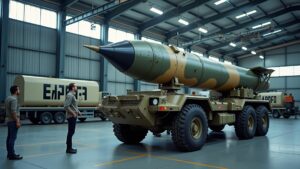
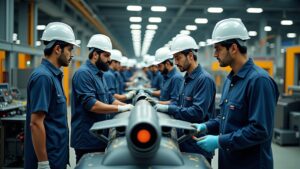
As you navigate the evolving landscape of India’s defence industry, a new development demands your close attention: GE Aerospace’s recent agreement with the Indian Air Force to establish an in-country depot for the Tejas F404-IN20 engine. This initiative signifies more than just a maintenance facility—it marks a strategic inflection point in India’s journey towards aerospace indigenisation, supply chain autonomy, and industrial scale-up. For you, whether leading a defence manufacturing unit, investing in aerospace startups, or shaping procurement strategy, understanding this collaboration is key to aligning with India’s future defence ecosystem.
Why This Partnership Matters to Your Strategic Outlook
The establishment of a local engine support depot directly impacts how you think about supply chain resilience, operational readiness, and defence manufacturing competitiveness. India’s flagship Tejas light combat aircraft depends on the F404-IN20 engine supplied by GE Aerospace. Historically, engine maintenance and support have involved foreign-based service hubs, creating vulnerabilities in turnaround time and operational availability.
With this depot coming onshore, you gain a blueprint for reducing foreign dependency, accelerating maintenance cycles, and unlocking a new frontier in domestic aerospace servicing capabilities. This is a crucial lever for private manufacturers and service providers seeking to expand their footprint in aftersales and maintenance, repair, and overhaul (MRO) domains. Moreover, for investors and innovators, this signals an environment increasingly conducive to deep technology partnerships and integrated MRO solutions for indigenous platforms.
What Is Happening: The GE Aerospace-Indian Air Force Agreement
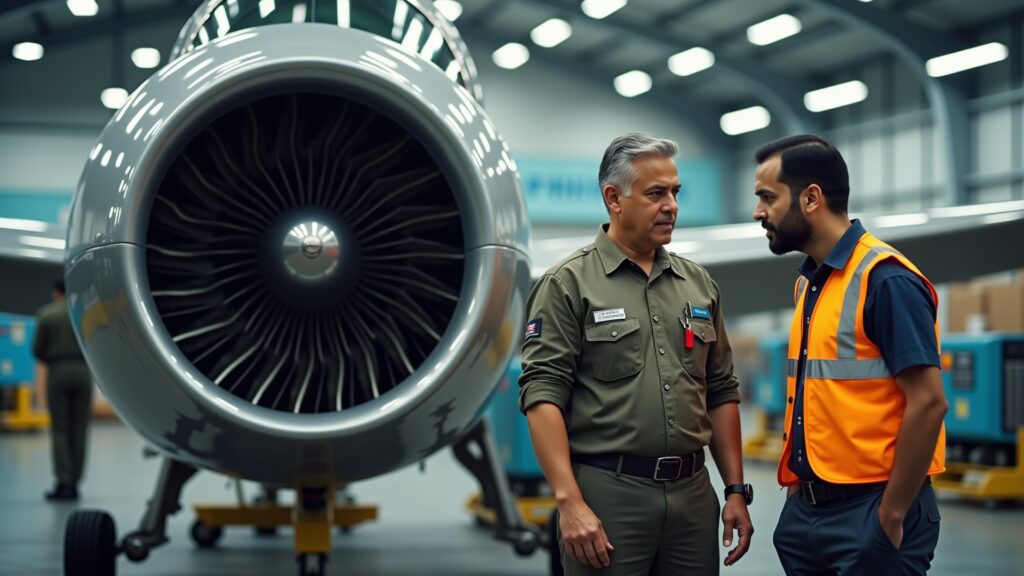
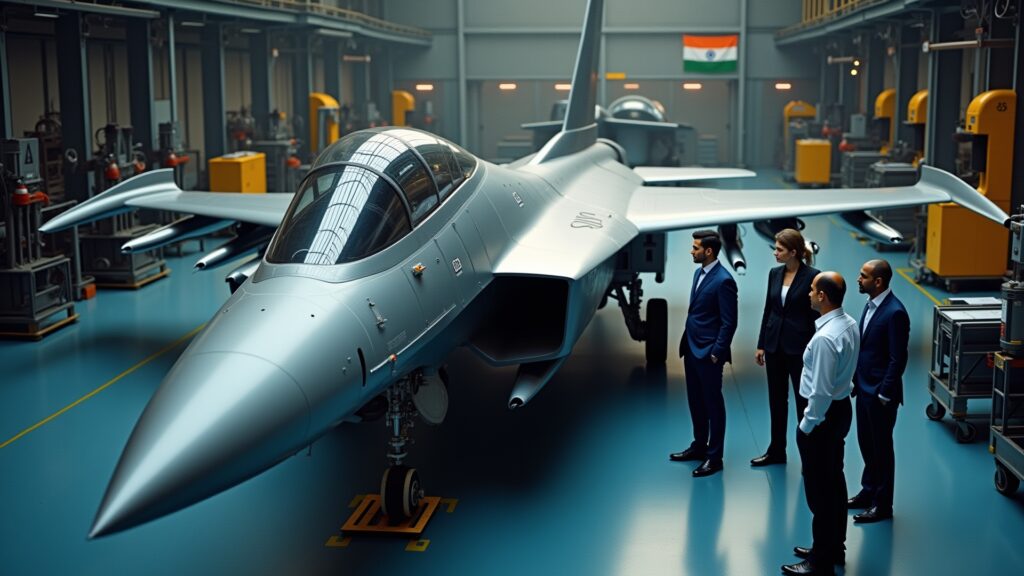
GE Aerospace has formalised a deal with the Indian Air Force to set up an engine depot dedicated to the F404-IN20 engine, the powerplant for the indigenous Tejas fighter jet. This facility will conduct maintenance, repairs, and overhaul activities within India, substantially enhancing the lifecycle management of these engines.
This move aligns tightly with Indian government initiatives like Make in India and Atmanirbhar Bharat, which prioritise self-reliance and domestic industrial participation in defence manufacturing. By localising critical engine support, India is dramatically improving its command over key aerospace components and operations.
Key Business and Defence Implications for You
- Supply Chain Resilience: Hosting MRO capabilities locally mitigates risks from international disruptions, enabling a more secure and reliable aerospace ecosystem.
- Cost and Efficiency: Faster engine turnaround reduces fleet downtime and lifecycle costs, enhancing combat readiness and fleet sustainability.
- Market Competitiveness: A robust local support infrastructure boosts India’s potential as a defence exporter for platforms like Tejas, creating new business avenues.
- Private Sector Opportunity: Aftermarket services open doors for private companies to partner in high-technology support roles, advancing the defence industrial base.
- Policy Alignment: The agreement reinforces government policy goals of increasing domestic content and capability in aerospace defence.
Strategic Insight: What This Means for India’s Defence Manufacturing Trajectory
This arrangement is a textbook example of translating policy into practice through strategic partnerships. As you evaluate industrial growth plans, this depot serves as a catalyst for scaling indigenous aerospace capabilities beyond just manufacturing — to encompass holistic life cycle support. It marks a shift towards a more integrated and sovereign aerospace ecosystem operationally and economically.
“In defence, scale matters — but strategic self-reliance matters even more.” This sentiment echoes in this partnership’s potential to foster technological depth in the Indian aerospace segment, thereby enhancing long-term defence readiness and reducing geopolitical dependency.
The growing emphasis on in-country MRO also aligns with global defence industry trends where lifecycle services constitute a significant revenue stream and capability enhancer. Embracing this shift early positions India not only as a manufacturer but as a global player in advanced maintenance capabilities.
What You Need to Know and Do Next
- Understand the MRO Market Evolution: Monitor how this depot accelerates the growth of aerospace aftersales and integrated maintenance services.
- Identify Partnership Opportunities: For manufacturers and startups, engage with global OEMs and government bodies to explore collaboration in engine support and aerospace servicing.
- Invest in Skill Development: Build capabilities in advanced repair, diagnostics, and overhaul technologies to meet next-generation aerospace maintenance demands.
- Strategize Supply Chain Localization: Map critical aerospace components and service elements where domestic production and support can be further expanded.
Expert Perspective
“The real edge is not only in buying capability, but in building the industrial depth to sustain it.”
“When procurement clarity, technological innovation, and manufacturing discipline align, defence growth becomes far more durable.”
Risks and Cautions to Consider
While this partnership is a promising step, execution risks remain. Supply chain integration challenges, technology transfer complexities, and skilled workforce shortages could impact timely realisation of intended benefits. Furthermore, maintaining a balance between foreign technology dependence and indigenous capability building requires continuous policy and operational oversight.
Stay alert to potential geopolitical shifts that may influence collaboration terms or export prospects. Thoughtful mitigation strategies around these risks will be essential for stakeholders looking to capitalise on this development.
What to Watch Next
Keep an eye on the operational rollout of the engine depot and subsequent capacity scaling. Watch for announcements regarding private sector partnerships, government incentives, and technology transfer facilitation linked to this initiative. Also, observe how other indigenous platforms leverage similar localised support infrastructures as a benchmark for ecosystem development.
Conclusion: A Strategic Enabler for Your Defence Business Growth
GE Aerospace’s engine depot partnership for Tejas F404-IN20 support is a foundational move in India’s aerospace defence ecosystem. For you, this translates into increased strategic autonomy, a deepened industrial base, and competitive advantages in both domestic and export arenas. Embracing and integrating this development into your strategic planning will position your business or investment pipeline at the forefront of India’s defence innovation and capability expansion.