The India-South Korea defence co-production agreement is not just another headline — it’s a decisive turning point that could reshape your strategic approach to defence manufacturing, innovation, and exports. If you are a defence industry leader, investor, or policymaker, this pact holds the promise of unlocking new value chains, elevating indigenous capability, and positioning your enterprise for a competitive global future.
Why This Matters to You
As your organisation navigates the complexities of procurement reform, supply chain resilience, and technology innovation, the enhanced collaboration between India and South Korea introduces a profound strategic asset. You gain access to integrated partnerships that go beyond mere supplier relationships — they offer opportunities to scale manufacturing depth, foster skill transfer, and penetrate emerging defence markets. For investors, it signals a maturing ecosystem with potential for high-value joint ventures. For manufacturers and startups, it opens pathways into advanced co-production roles, moving your capabilities upstream in the industrial value chain.
Understanding the New Co-Production Framework
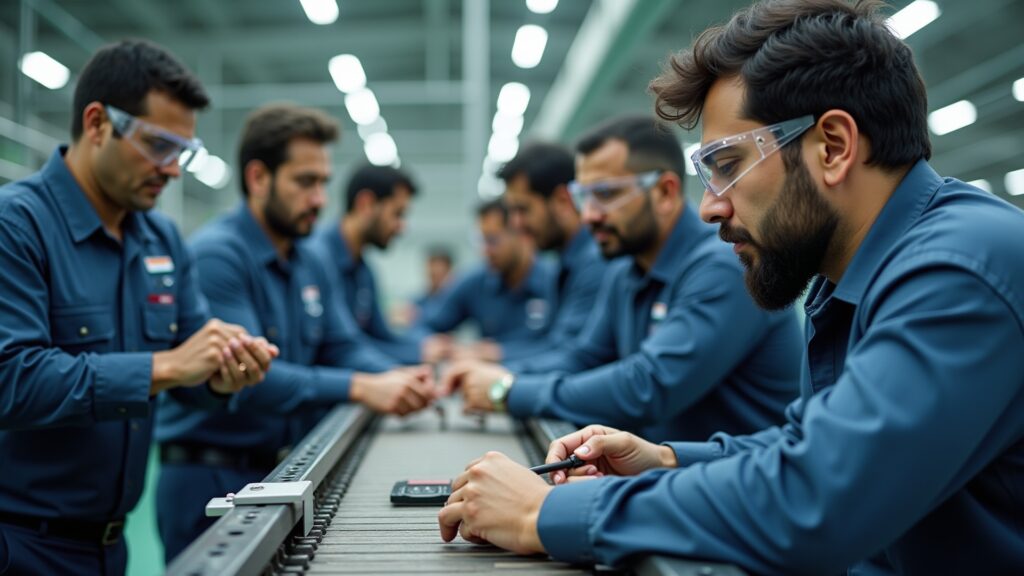
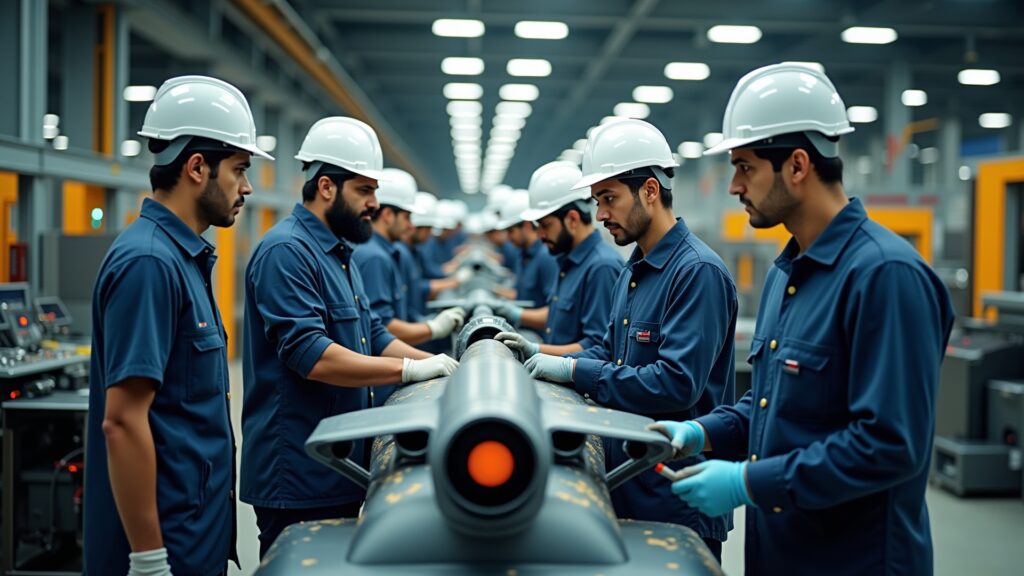
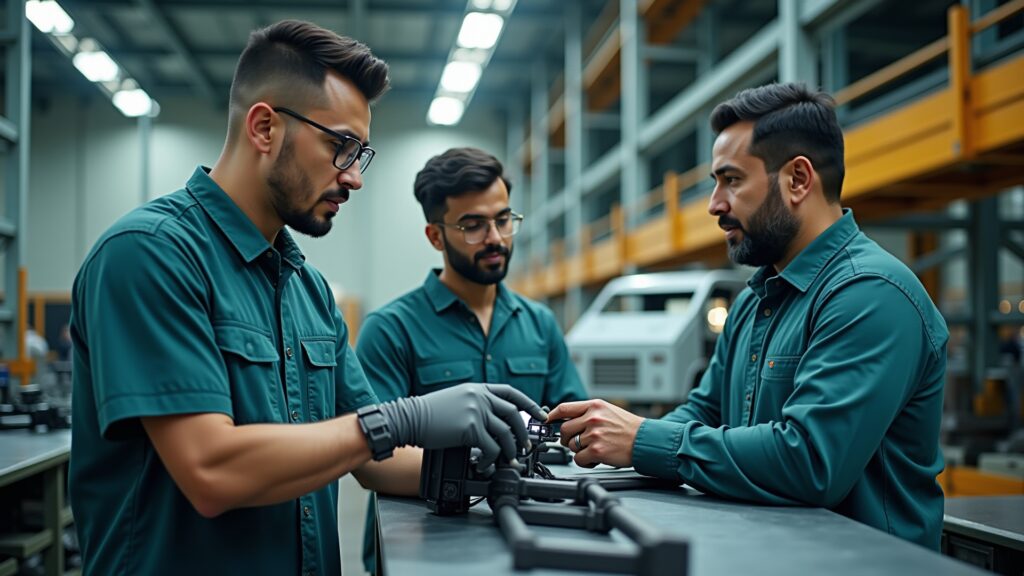
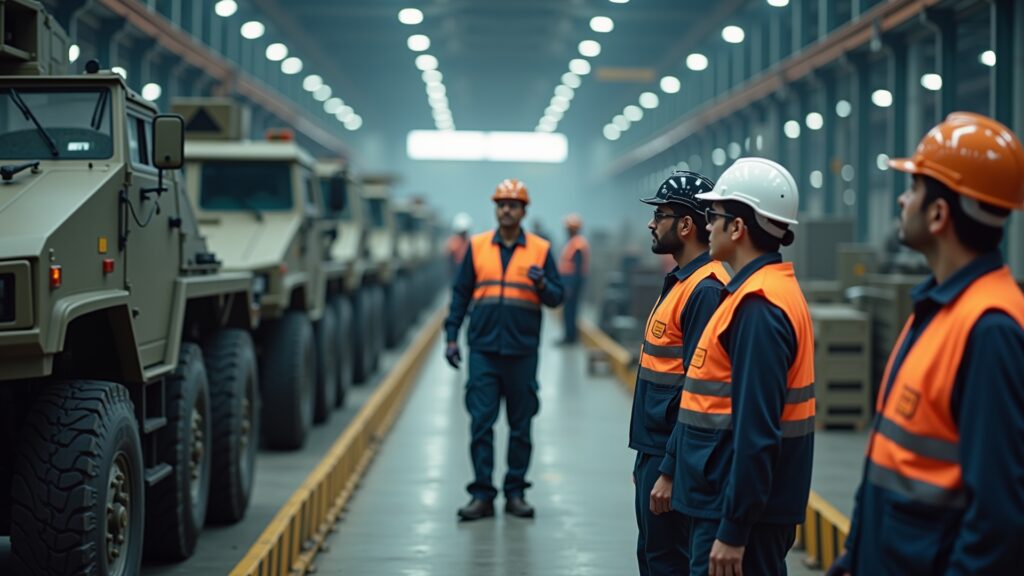
This agreement between India and South Korea aims to expand joint manufacturing and assembly of defence equipment across multiple domains — from land systems and naval platforms to aerospace components and unmanned technologies. The shift from traditional buyer-seller engagements to a co-production model means your business can tap into blended technology pools and streamlined processes. It’s a strategic alignment designed to foster sustainability, reduce reliance on imports, and more importantly, build high-technology expertise domestically.
Strategic and Industrial Impact
India’s defence manufacturing ambition has long been geared toward indigenisation and private sector growth, with policy frameworks nudging towards Make in India and export promotion. By partnering with South Korea — a country renowned for its robust defence industrial base and technological innovation — this pact turbocharges India’s goal to emerge as a global manufacturing hub. For you, this translates into practical benefits including access to advanced manufacturing techniques, enhanced skill development, and a diversified product portfolio.
This collaboration inherently reduces supply chain vulnerabilities by diversifying production capabilities across sectors. As geopolitical tensions and economic disruptions persist globally, your supply resilience gains a buffer through such international partnerships.
Supply Chain Resilience and Export Momentum
The pact is poised to optimize supply chain networks, facilitating more efficient procurement and expanding export-eligible defence equipment. As India’s export capacity ramps up under government initiatives, your enterprise can leverage market access into South Korea and beyond, forming a strategic corridor for global defence exports.
The knock-on effect for MSMEs and private manufacturers is significant: expanded opportunities for scale, access to new technologies, and potential collaboration on high-growth platforms such as digital defence systems, modular designs, and autonomous technologies.
Deeper Strategic Insights
At its core, this co-production agreement exemplifies how international defence cooperation now transcends simple transactions to become partnerships of co-development, shared R&D, and industrial scale-up. The real strategic edge lies in integrating capabilities rather than importing finished products — a model that aligns with your need to future-proof supply chains and upscale technological competence internally.
“In defence, scale matters — but strategic self-reliance matters even more.”
“The real edge is not only in buying capability, but in building the industrial depth to sustain it.”
For startups and innovators, this environment creates a fertile ground for digital defence solutions and next-gen platforms to emerge alongside legacy systems. You should expect a fresh wave of public-private collaborations and joint ventures driven by this pact, which will challenge traditional manufacturing hierarchies and open new business models.
Practical Takeaways for Defence Industry Leaders
- Monitor the evolving joint ventures and technology transfer agreements — they will be key to identifying new investment and partnership avenues.
- Consider ramping up capabilities in advanced manufacturing processes and digital systems to align with co-production demands.
- Engage policymakers to ensure regulatory frameworks support expedited approvals and incentivize export-capable production.
- Explore collaboration opportunities with South Korean firms to tap their aerospace, naval, and unmanned technology excellence.
- Integrate supply chain diversification strategies that leverage this bilateral corridor to buffer against global disruptions.
Caution and Challenges Ahead
While the framework offers immense potential, the success of the India-South Korea co-production pact hinges on addressing challenges such as harmonizing standards, resolving intellectual property concerns, and ensuring consistent policy support from both governments. You need to factor in the complexity of cross-cultural project management and alignment on long-term strategic goals.
Moreover, seamlessly integrating diverse manufacturing protocols and compliance requirements will require robust governance and transparency to avoid bottlenecks that could hinder scale and export readiness.
What You Should Watch Next
Keep a close eye on forthcoming announcements related to joint R&D projects, upcoming defence expos highlighting co-produced platforms, and policy updates facilitating private sector participation. Additionally, tracking government tender invitations favored by this accord can provide early signals for new market opportunities.
Conclusion: A Strategic Lever for Enduring Defence Capability
Ultimately, the India South Korea defence co-production pact is more than a bilateral agreement; it is a strategic lever driving India’s defence manufacturing transformation. It challenges you to rethink capability development by integrating international expertise with domestic scale. As you align your strategy with this new reality, consider the pact as a gateway to innovation-led growth, export competitiveness, and resilient supply chains.
“When procurement clarity, technological innovation, and manufacturing discipline align, defence growth becomes far more durable.”
For your business or investment outlook in the defence ecosystem, these developments are a clarion call to engage deeply with co-production frameworks, seize collaborative innovation, and envision a sustainable competitive advantage in the global defence market.