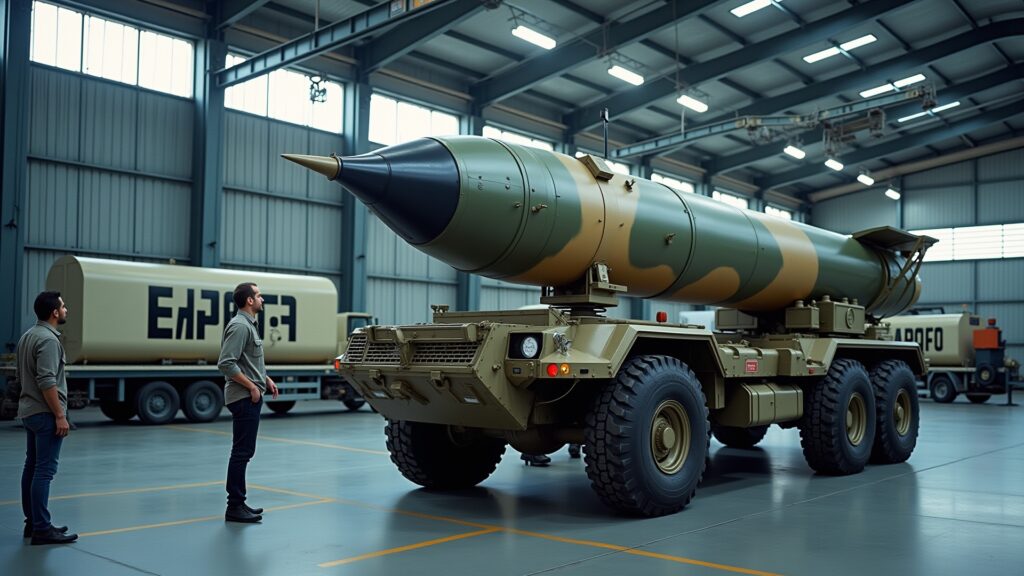
When you operate at the intersection of defence manufacturing, strategic investments, and national security, every major industrial development reshapes the landscape you navigate. Adani Group’s recent inauguration of a ₹2,500 crore defence production facility is not just another headline — it’s a landmark shift that directly influences your business strategy, investment outlook, and understanding of India’s expanding defence ecosystem.
Why This Development Matters to You
If you lead a defence business, oversee procurement, or invest in aerospace and defence technology startups, this development signals a strategic recalibration in India’s manufacturing capabilities. The facility doesn’t merely increase production volume; it enhances indigenous capability, reshapes supply chain resilience, and redefines competitive dynamics in the defence sector. In essence, it amplifies India’s trajectory toward Atmanirbhar Bharat — a self-reliant defence industry that could recalibrate procurement strategies and open new avenues for exports and innovation partnerships.
What Is Happening: Adani’s Defence Manufacturing Leap
Adani Group’s ₹2,500 crore investment inaugurates a state-of-the-art defence manufacturing plant designed to produce advanced defence systems domestically. This move is emblematic of a broader policy push encouraging private sector participation and localisation within India’s traditionally public-sector-dominated defence domain. With this facility, you witness a significant capability upscale, reinforcing India’s ambitions to reduce import dependency and foster technology transfers aligned with global standards.
Key Business and Market Implications
- Indigenisation and Capability Building: The plant turbocharges India’s capacity to produce sophisticated defence equipment, directly contributing to an ecosystem where technological control and intellectual property generation reside inside India.
- Supply Chain Strengthening: By localising manufacturing, the facility mitigates risks tied to global supply chain disruptions—critical for maintaining consistent defence readiness.
- Competitive Dynamics and Cost Efficiency: Your procurement frameworks may benefit from enhanced competition between private and public manufacturers, driving improvements in price and quality benchmarks.
- Export Potential: With improved manufacturing standards, the plant bolsters India’s position in the global defence export market—an opportunity for you to explore partnerships and cross-border deals.
Strategic Insights: What This Means For You
Adani’s move illustrates that defence manufacturing scale and technological innovation are converging in the private sector. You should consider how this shapes your strategic positioning:
- Collaboration Opportunities: For startups and OEMs, the expansion invites you to deepen integration with major manufacturers to bring cutting-edge innovation from concept to production.
- Portfolio Diversification: Investors should track how these industrial shifts open new verticals around indigenous advanced systems and export-ready production.
- Policy Alignment: Companies must closely monitor government incentives around localisation and exports to align your R&D and manufacturing strategies accordingly.
“In defence, scale matters — but strategic self-reliance matters even more.”
Actionable Takeaways for Defence Leaders and Investors
- Understand the shifting supplier landscape: Private giants like Adani are redefining manufacturing benchmarks; your procurement and partnership strategies must adapt in response.
- Evaluate supply chain resilience: Localisation reduces risk but demands rigorous supplier qualification and technology transfer vigilance.
- Leverage emerging export credentials: Strengthen your compliance and certification capabilities to tap into growing international market access.
- Foster innovation collaboration: Engage proactively with manufacturing hubs to co-create solutions that meet both military requirements and technological evolution.
“The real edge is not only in buying capability, but in building the industrial depth to sustain it.”
Potential Risks and Challenges to Monitor
While this milestone is transformative, challenges remain. You must watch for possible bottlenecks in technology assimilation, workforce skill gaps, and regulatory hurdles that can delay project execution. Moreover, balancing cost efficiency with cutting-edge innovation requires vigilant management to avoid quality compromises.
What Should You Watch Next?
Keep an eye on how Adani’s plant integrates into India’s defence supply chain and its role in emerging export contracts. Monitor policy amendments that further incentivize private sector participation and track innovation partnerships that may springboard from this facility’s capabilities. Your strategic foresight in these areas will be crucial to capitalize on evolving market conditions.
Conclusion: More Than an Investment—A Strategic Inflection Point
Adani’s ₹2,500 crore defence manufacturing plant is a landmark in India’s mission toward self-reliance. For you, whether steering a defence enterprise, making investment decisions, or shaping policy, this development reinforces a critical message: strategic capability in defence is built on solid industrial foundations. As this private sector facility prompts a paradigm shift, you have the opportunity to align your strategies for participation in a more autonomous, competitive, and export-driven Indian defence ecosystem.
“When procurement clarity, technological innovation, and manufacturing discipline align, defence growth becomes far more durable.”