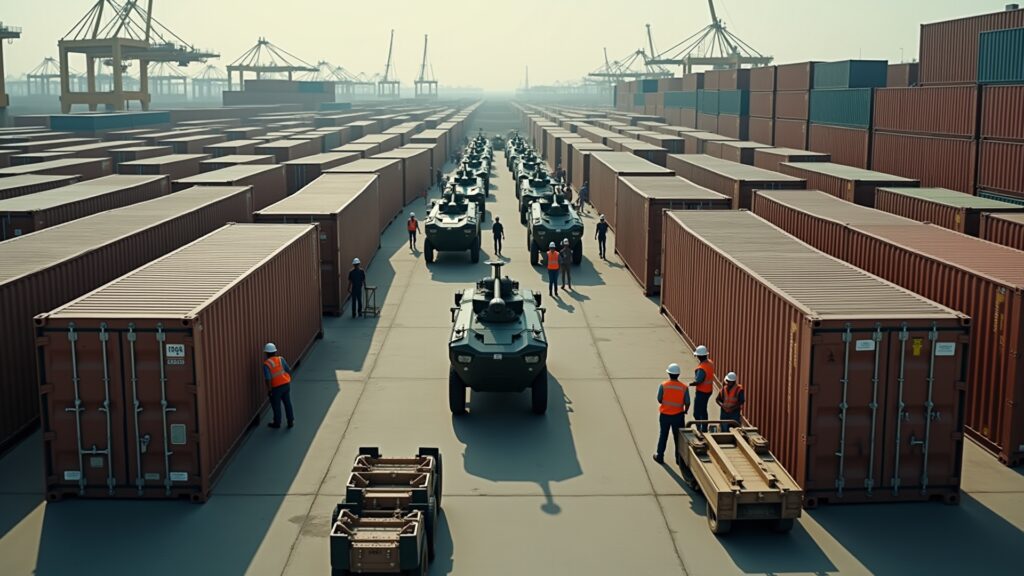
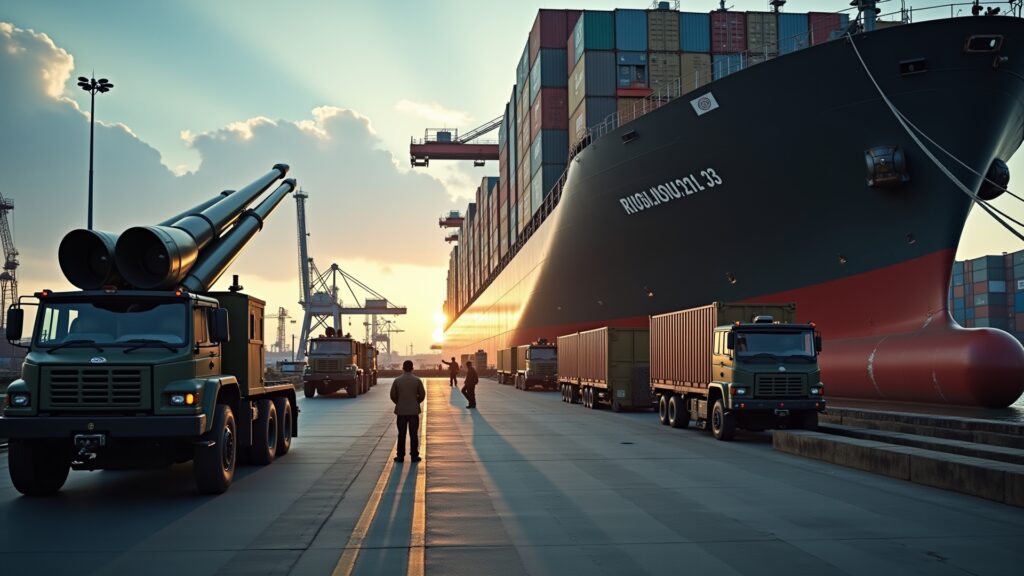
Many aspiring entrepreneurs in the Indian defence sector face the challenge of navigating international markets. This guide is designed to equip you with the insights and strategies you need to effectively export your defence products globally. By understanding regulatory requirements, market dynamics, and potential partnerships, you can position your offerings successfully and tap into a growing global demand for innovative defence solutions. Get ready to enhance your competitiveness and expand your international footprint in the defence arena.
Key Takeaways:
- Understanding global defence markets is crucial for positioning Indian defence products competitively.
- Building strong partnerships and networks is critical for navigating international regulations and procurement processes.
- Innovation and adaptation of products to meet diverse international needs can enhance export potential.
Types of Defence Products
Your exploration of the defence sector must include a keen understanding of the various types of products that are in demand. These range from conventional weapons to high-tech solutions, utilized by armed forces worldwide. Each category presents unique challenges and opportunities for exporters. Key examples include:
- Land systems
- Aerospace solutions
- Naval platforms
- Cybersecurity solutions
- Logistics and support systems
After identifying these categories, you can begin to tailor your products for specific markets and clients.
| Type |
Description |
| Land Systems |
Armored vehicles, artillery, and equipment for ground operations. |
| Aerospace Solutions |
Aircraft and drones for surveillance, transport, and combat roles. |
| Naval Platforms |
Submarines, destroyers, and support vessels for maritime security. |
| Cybersecurity Solutions |
Technological measures to protect military networks and data. |
| Logistics and Support Systems |
Essential services and equipment for operational efficiency. |
Land Systems
Your focus on land systems can encompass a variety of products including tanks, infantry combat vehicles, and unmanned ground vehicles. These systems are fundamental for any army’s operational capabilities. The demand for advanced armored solutions is continuously growing, as nations aim to modernize their forces while enhancing survivability and effectiveness on the battlefield.
Aerospace and Naval Solutions
Aerospace and naval solutions represent a rapidly evolving sector within defence exports. To compete, you need to focus on advanced aircraft, drones, frigates, and submarines. The Indian market is innovating with indigenous designs aimed at both military and civilian use, allowing for diversification into international markets. Integration of cutting-edge technology such as stealth and automation is critical for attractiveness in global tenders.
Furthermore, the aerospace and naval segments have seen a surge in investment, with projects like the Tejas fighter jet and the P-75 submarine program showcasing India’s capabilities. Collaborations with global firms can enhance technological transfers and improve production efficiencies. As you strategize for exports, tapping into these advancements will increase your competitive edge, allowing for tailored solutions that meet the specific needs of different nation-states looking to bolster their military capabilities.
Tips for Global Market Entry
Identifying the right strategies for entering global markets can significantly increase your success in exporting defence products. Focus on understanding local needs and adapting your offerings accordingly. Utilize insights from market research to pinpoint opportunities and craft your approach.
- Conduct thorough market research to identify demand.
- Leverage local expertise for navigating cultural nuances.
- Attend international defence expos for visibility.
- Optimize your supply chain for efficiency and cost-effectiveness.
After these steps, you can build a framework for sustainable growth in international defence markets.
Understanding International Regulations
Familiarizing yourself with international regulations is imperative for compliance and smooth operations. Each country has specific export controls, import licensing requirements, and documentation procedures. You must stay abreast of treaties, trade agreements, and non-proliferation rules that affect defence exports.
Building Strategic Partnerships
Forming strategic partnerships can significantly enhance your capabilities and market reach. Collaborating with local firms can provide insights into regional dynamics and help you navigate regulatory landscapes more efficiently. Consider joint ventures, supplier contracts, and alliances with technology providers to strengthen your product offerings.
Developing these relationships often means investing time in networking and relationship-building. Organizations like the Defence and Aerospace Exporters Association can connect you with potential partners. Successful partnerships not only expand your distribution networks but also bolster your reputation and credibility in the overseas market. Share knowledge, leverage each other’s strengths, and collaborate on innovative solutions to cater to diverse customer needs in the global landscape.
Step-by-Step Guide to Exporting Defence Products
| Step |
Description |
| 1. Market Research |
Analyze target markets to understand demand, competition, and regulatory requirements for your defence products. |
| 2. Compliance |
Navigate the certification processes necessary to ensure your products meet international standards. |
| 3. Distribution Strategy |
Develop partnerships or channels to effectively reach your customers in chosen markets. |
Market Research and Assessment
Conducting thorough market research is vital for identifying the right opportunities for your defence products. Analyze defense spending trends, potential buyers, and their specific needs. Utilize platforms like SIPRI and government reports to gather data on key markets, ensuring your offering aligns with regional demand and competitive landscape.
Compliance and Certification Process
Fulfilling compliance and certification requirements is non-negotiable when exporting defence products. You must ensure that your products meet both domestic and international standards, such as ITAR (International Traffic in Arms Regulations) for U.S. markets or other regional regulations. Securing necessary certifications builds credibility, facilitates smoother entry into foreign markets, and mitigates legal risks.
The compliance landscape can be complex, with various regulatory bodies depending on the product and destination. Engage with legal experts or consultants who specialize in defence exports to navigate this terrain effectively. For instance, obtaining ISO certifications or adhering to NATO standards can significantly enhance your marketability. You may need to invest time in documentation, audits, and product testing to ensure all requirements are satisfied, which ultimately positions your company as a reliable exporter in the defence sector.
Factors Influencing Export Success
Several elements can significantly impact the success of your defence exports. Understanding these factors can help you develop a strategic approach that resonates with international clients and meets their requirements. Key elements include:
- Market demand and trends
- Regulatory compliance and export controls
- Existing international partnerships
- Brand reputation and trust
- Technological advancements
- Pricing strategies
This knowledge will empower you to navigate the complexities of global defence sales effectively.
Technology and Innovation
Your ability to leverage cutting-edge technology and innovative solutions can set your products apart in the global market. Customers increasingly seek advanced features that enhance operational efficiency and security. By investing in research and development, you can create products that meet evolving defence needs, ensuring your offerings align with international standards and expectations.
Pricing and Competitiveness
Pricing strategies play a pivotal role in your ability to compete in the international defence marketplace. Consider factors like production costs, market standards, and competitor pricing to determine your approach. Value-added services and post-sale support can also influence buyer decisions, so pricing your products competitively, while ensuring profitability, is vital.
For instance, if you produce a UAV system, assess the costs associated with manufacturing, export tariffs, and logistics to set a compelling price point. Engage in competitor analysis to identify market rates and highlight unique selling propositions that justify your pricing. Effective pricing strategies that balance cost with perceived value will be key to gaining traction and leading in a competitive landscape.
Pros and Cons of Expanding Defence Exports
| Pros |
Cons |
| Access to larger markets increases potential sales. |
Complex regulatory environments can hinder entry. |
| Higher production volumes can reduce costs. |
Intense competition from established global players. |
| Diversification of revenue streams enhances financial stability. |
Cultural and language barriers may complicate negotiations. |
| Strengthened international relations through defense partnerships. |
Increased scrutiny and compliance requirements. |
| Opportunities for innovation driven by global demands. |
Risk of intellectual property theft and espionage. |
| Enhanced brand recognition boosts domestic sales. |
Longer sales cycles may delay revenue realization. |
| Strategic advantages in geopolitical areas. |
Potential for political backlash depending on partnerships. |
Advantages for Indian Manufacturers
Expanding defence exports provides Indian manufacturers with the opportunity to tap into international markets, significantly amplifying their revenue potential. With a growing portfolio of advanced products, leveraging government support for exports can enhance your competitiveness. Attracting foreign investments and partnerships not only drives innovation but also breeds a culture of excellence, positioning your brand favorably in the global defence ecosystem.
Challenges in International Markets
Navigating international markets comes with its share of challenges that can complicate the expansion of your defence exports. Each country presents unique geopolitical risks, regulatory hurdles, and varying standards in defence procurement. Additionally, understanding local competition and building relationships with foreign stakeholders requires in-depth knowledge and adaptability.
One significant challenge you may encounter involves the intricate web of export regulations that differ from one jurisdiction to another. For instance, compliance with the ITAR (International Traffic in Arms Regulations) in the United States can be particularly demanding, requiring robust internal controls and reporting mechanisms. Moreover, the high stakes involved in defence contracts often necessitate lengthy negotiation processes, which can drain resources and delay entry into lucrative markets. Adapting to diverse cultural practices and decision-making processes is also critical, as misunderstandings can derail potential partnerships. Ultimately, addressing these challenges requires you to invest time and effort in research, strategy, and relationship-building to ensure successful international operations.
Best Practices for Marketing Defence Solutions
Effectively marketing defence solutions requires a strategic combination of targeted outreach, robust networks, and specific messaging tailored to your audience. Focus on highlighting your unique value propositions, such as advanced technology, cost-effectiveness, or superior service. Build credibility through certifications, compliance with international standards, and showcasing successful case studies to influence decision-makers consistently. Utilize both digital platforms and traditional marketing methods to engage potential clients and partners, driving clear communication that resonates with their needs.
Targeting the Right Customers
Identify your ideal customer profile by analyzing market segments that align with your product offerings. Tailor your messaging and approach to different stakeholders, such as government agencies, defence contractors, or international buyers. Segment your audience based on their specific requirements, such as procurement cycles, budget constraints, or past purchasing behaviors. This focused strategy sharpens your marketing efforts and maximizes impact, enabling you to build strong relationships with key decision-makers.
Leveraging Trade Shows and Exhibitions
Trade shows and exhibitions serve as pivotal platforms for showcasing your defence products, connecting with potential customers, and learning about industry trends. Engaging in these events allows you to demonstrate your solutions first-hand and gather instant feedback from attendees, which can refine your offerings. Select reputable shows such as Aero India or DefExpo to enhance visibility and network with global defence contacts, while workshops and panel discussions create additional avenues for thought leadership.
Participating in prominent trade shows not only enhances your brand visibility but also positions you as a serious player in the defence sector. Make the most of your exhibition space with eye-catching displays and interactive demonstrations that engage visitors. Prepare informative materials, such as brochures and business cards, to reinforce your messaging. Schedule meetings in advance with potential clients and partners to optimize your time, ensuring meaningful connections and follow-ups after the event. Analyze post-show metrics to assess your performance and continuously improve your strategies for future exhibitions.
Summing up
Conclusively, by understanding the dynamics of global defence markets, you can position your Indian defence products for international success. Emphasizing strategic partnerships, adhering to regulatory frameworks, and tailoring your offerings to meet diverse market needs is necessary. Your approach should be proactive, leveraging innovation and technology to enhance competitiveness. With the right insights and strategies outlined in ‘Defence Exports Decoded,’ you have the tools necessary to navigate the complexities of defence exports and expand your reach globally.
FAQ
Q: What are the key strategies for expanding Indian defence exports globally?
A: Key strategies include understanding target markets, complying with international regulations, building strong partnerships, innovative product development, and effective marketing tailored to the defence sector.
Q: How can Indian defence manufacturers ensure compliance with international export regulations?
A: Manufacturers should conduct thorough research on the export laws of both India and the target countries, implement robust compliance training for staff, and regularly consult legal experts or compliance officers to stay updated on regulatory changes.
Q: What role does technology play in enhancing the global competitiveness of Indian defence products?
A: Technology enhances product quality, effectiveness, and innovation, making Indian defence products more appealing on the global stage. Embracing advanced manufacturing techniques and investing in R&D can significantly improve product capabilities and market positioning.