Just as the landscape of warfare evolves, so too do the business opportunities within defense technology. You must understand how drones, unmanned systems, and robotics are redefining not just military operations but also the commercial market. As demand grows for innovative solutions to enhance efficiency and safety, your venture into these sectors can be both timely and profitable. Unlock the potential of advanced technologies and position your business at the forefront of this rapidly advancing field.
Key Takeaways:
- Advancements in autonomous systems are driving efficiency and reducing operational costs in defense applications.
- Emerging markets and commercial partnerships are creating new revenue streams for defense tech companies focusing on robotics and unmanned systems.
- Integration of AI and machine learning into drone operations enhances decision-making capabilities and operational effectiveness in military scenarios.
Overview of Defence Tech
Defence technology encompasses a broad range of advanced systems and platforms designed to enhance military capabilities. This sector continually evolves, shaped by technological breakthroughs, geopolitical changes, and the push for modernization. Drones, robotics, and other unmanned systems are pivotal, allowing for enhanced situational awareness, precision strikes, and safer operations in hostile environments, thus revolutionizing traditional defense approaches.
Current Landscape
The current defence tech landscape is characterized by rapid innovation and increased investment. Governments and private companies are collaborating more than ever, focusing on integrated solutions that encompass artificial intelligence, machine learning, and robotics. This evolving ecosystem aims to improve operational efficiency and responsiveness in military operations, with a notable shift towards autonomy in unmanned systems.
Emerging Technologies
Emerging technologies are transforming defence capabilities, significantly impacting how military forces operate. Innovations such as advanced robotics, AI-driven analytics, and next-generation drones are reshaping combat and logistics. With the rise of 5G networks, enhanced communication and coordination among unmanned systems can occur, paving the way for increasingly autonomous operations and real-time data sharing on the battlefield.
Investment in emerging technologies is skyrocketing, with the U.S. Department of Defense allocating over $600 billion in 2022 for research and development, focusing on AI and autonomy. Countries like China and Russia are also heavily investing, competing for dominance in integrated systems. Startups are introducing versatile platforms that adapt to varied mission profiles, from surveillance to logistics support. Collaborative robots (cobots) are now designed for multitasking in field environments, enhancing troop efficiency and safety. These advancements not only streamline operations but also redefine strategic frameworks, solidifying the role of technology in future military engagements.
Drones in Defence
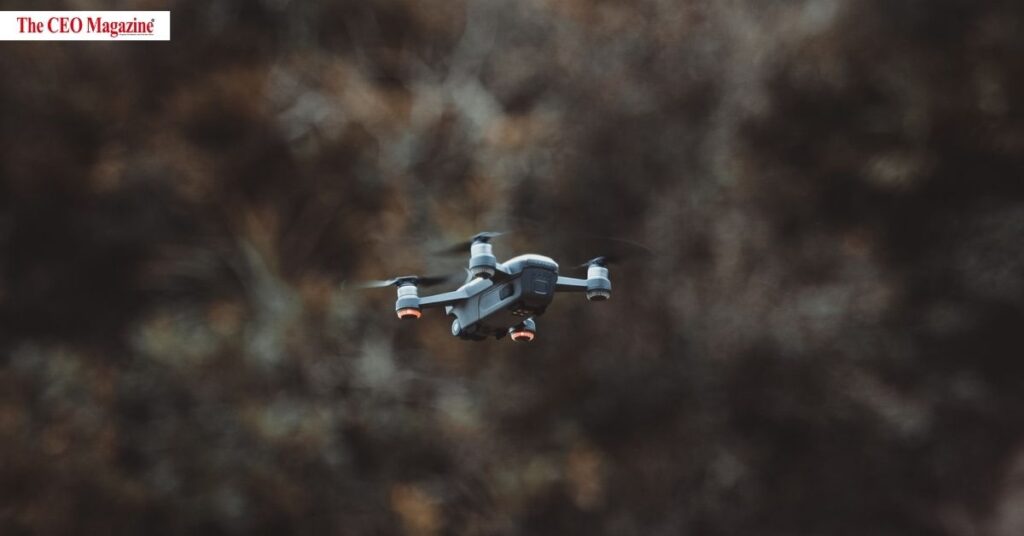
Drones have revolutionized modern warfare, offering military forces unprecedented capabilities in surveillance, reconnaissance, and combat operations. Their ability to gather intelligence and conduct precision strikes with reduced risk to personnel has made them indispensable in contemporary defence strategies. As technology advances, these unmanned systems are becoming more versatile, integrating with other platforms and providing real-time data to commanders on the ground.
Military Applications
Your understanding of military applications for drones is key to appreciating their impact on defence operations. From intelligence-gathering missions to targeted strikes, drones enhance operational efficiency while minimizing risk. For instance, the U.S. military has used the MQ-9 Reaper for both reconnaissance and armed missions, showcasing its dual capabilities that serve strategic objectives effectively.
Commercial Opportunities
Opportunities for commercial use of drones in the defence sector are expanding rapidly. Companies are increasingly exploring partnerships with military organizations to develop specialized drone technologies, ranging from logistics and supply chain management to training and simulation. The market for military drones is projected to exceed $15 billion by 2030, highlighting the lucrative potential for businesses in this space.
As you consider entering the defence tech market, the commercial opportunities presented by drone technology are significant. Companies are developing autonomous cargo drones to support military logistics, enhancing supply chains in remote operations. Additionally, the rise of drone delivery systems for military supplies opens new revenue streams, especially for businesses that can innovate reliable, durable solutions. Engaging with government contracts and research partnerships can further bolster your presence in this rapidly growing sector as defence budgets increasingly allocate funds toward advanced unmanned systems.
Unmanned Systems and Their Impact
Unmanned systems are transforming how military operations are conducted, increasing efficiency and reducing risk for personnel. With technologies like autonomous ground vehicles and drones, you can now gather intelligence, conduct surveillance, and carry out logistical tasks without putting troops in harm’s way. The integration of these systems enhances situational awareness and operational agility, ensuring that decision-makers receive timely and accurate information.
Ground-Based Systems
Ground-based unmanned systems have significantly changed battlefield dynamics. These vehicles, equipped with advanced sensors and artificial intelligence, enable reconnaissance missions, mine detection, and tactical support. Utilizing platforms like the RIwSP-3 in urban environments allows forces to monitor activities and assess threats while maintaining a safe distance from potential danger.
Naval and Aerial Innovations
Naval and aerial unmanned systems are vital in modern maritime and air operations. Autonomous vessels like the Sea Hunter exhibit capabilities such as persistent surveillance and autonomous navigation. Meanwhile, unmanned aerial vehicles (UAVs) such as the MQ-9 Reaper provide tactical advantages in surveillance, reconnaissance, and strike capabilities, with the ability to operate at extended ranges while maintaining high levels of precision.
Recent advancements in naval and aerial innovations showcase the growing importance of integrating AI and machine learning into unmanned systems. For instance, the U.S. Navy’s Ghost Fleet program focuses on developing a fleet of unmanned ships capable of operating alongside manned vessels. This revolutionary approach not only enhances operational capacity but also reduces costs associated with crewed operations. In the air domain, technologies like the X-47B demonstrate the potential for drone squadrons that can execute complex missions autonomously, paving the way for advanced strike and surveillance capabilities in contested environments.
Robotics in Defence
Incorporating robotics into defence enhances operational efficiency and battlefield effectiveness. Today’s military operations increasingly rely on ground, air, and naval robotic systems to perform tasks ranging from reconnaissance to logistics support. As the demand for precision, speed, and safety escalates, robots equipped with advanced AI are reshaping how you approach mission planning and execution.
Autonomous Systems
Autonomous systems are redefining military operations by ensuring missions are executed with minimal human oversight. Drones can autonomously navigate complex environments, gather intelligence, and even carry out strikes. With advancements in machine learning, you can trust these systems to adapt in real time, significantly increasing the operational tempo while lowering risks to personnel.
Human-Robot Collaboration
Human-robot collaboration is transforming how you conduct military operations, blending human intuition with robotic precision. By leveraging smart technology, teams can enhance their decision-making capabilities in the field. This synergy allows for improved mission outcomes and increased safety for personnel deployed in hostile environments.
Human-robot collaboration technology emphasizes seamless interaction between soldiers and robotic systems, capitalizing on both human cognitive abilities and robotic efficiency. Consider examples like the U.S. Army’s use of robotic exoskeletons to augment soldiers’ strength and endurance during extended missions. This integration not only alleviates the physical burden on personnel but also enables more complex tasks to be accomplished. As these collaborative platforms evolve, your tactical advantages increase, allowing for more versatile and effective military operations.
Business Opportunities in Defence Tech
Identifying lucrative business opportunities in defence tech requires an understanding of emerging trends and requirements. The integration of advanced technologies like drones, robotics, and AI is spurring demand across multiple sectors, from logistics to cybersecurity. By focusing on platforms that enhance situational awareness, optimize command and control, and improve maintenance processes, you can leverage the growth potential in this evolving landscape.
Investment Trends
In recent years, investment in defence technology has surged, with venture capital flowing into startups and established firms alike. Reports indicate that global defence spending is expected to exceed $2 trillion by 2025, driven by increased geopolitical tensions and the need for modernization. Investors are prioritizing companies that innovate using AI, IoT, and automation, signaling strong growth prospects in this sector.
Startups and Innovations
The defence technology landscape is increasingly shaped by innovative startups focusing on niche capabilities. Companies are rapidly developing autonomous systems, advanced sensors, and cybersecurity solutions tailored for military applications. These startups often receive significant funding due to their agile structures, allowing them to adapt quickly to military needs and technological advancements.
Strong competition among startups enhances innovation cycles, leading to groundbreaking advancements in defence tech. Notable examples include companies like Shield AI, which develops autonomous drones for target identification, and Anduril Industries, known for its advanced border surveillance technologies. This environment fosters collaboration between military agencies and private enterprises, further accelerating the pace of innovation and creating numerous opportunities for growth.
Regulatory Environment
The regulatory landscape for drones, unmanned systems, and robotics in defense is complex and continuously evolving. Compliance with national and international laws is vital for businesses in this sector to successfully operate and compete. You must navigate various regulations concerning airspace management, safety standards, data protection, and export controls, which can vary significantly depending on the jurisdiction. Understanding these regulations not only mitigates risks but also identifies opportunities for innovation and collaboration with defense agencies.
Compliance and Standards
Ensuring adherence to compliance and standards is paramount for any operation involving defense technologies. You face stringent requirements from agencies like the FAA and military authorities that govern the design, testing, and deployment of these systems. Recognizing and integrating international standards, such as those from the International Organization for Standardization (ISO), into your operations will give you a competitive edge while fostering trust among partners and stakeholders.
International Perspectives
International regulations significantly impact how defense technologies are developed and utilized. Each country has its distinct policies governing the use of drones and unmanned systems, shaping market entry strategies. You must pay attention to differences in military procurement, dual-use goods regulations, and export policies to effectively navigate these waters.
You may find that nations like the United States and European countries have more developed regulatory frameworks, promoting innovation and integration of advanced technologies into armed forces. In contrast, other nations are still in the early stages of regulation, creating both challenges and opportunities for businesses eager to expand. Additionally, international collaborations, such as NATO initiatives, aim to harmonize standards, providing a more extensive arena for interoperability and shared capabilities within allied forces. Understanding these dynamics can unlock valuable partnerships and facilitate smoother market entry.
Final Words
From above, the evolving landscape of drones, unmanned systems, and robotics presents you with substantial business opportunities in defense technology. By harnessing innovations in these areas, you can enhance operational efficiency and effectiveness. Embracing these advancements not only positions you at the forefront of the defense sector but also enables you to address critical challenges faced by military and security organizations. As you explore this rapidly transforming market, your ability to adapt will be key to capitalizing on emerging trends and driving your strategic initiatives forward.
FAQ
Q: What are the primary applications of drones in the defense sector?
A: Drones are primarily utilized for surveillance, reconnaissance, target identification, and logistics support. They enable real-time intelligence gathering and can perform tasks in high-risk areas, enhancing operational efficiency and safety.
Q: How can unmanned systems enhance military operations?
A: Unmanned systems improve military operations by providing extended reconnaissance capabilities, conducting automated missions, and facilitating remote engagement in combat scenarios. They also reduce the risk to personnel and can be rapidly deployed for various missions.
Q: What business opportunities exist within robotics for defense applications?
A: Opportunities in defense robotics include developing advanced autonomous systems, creating specialized robotic platforms for ground and aerial operations, and providing innovative solutions for maintenance, logistics, and training. Companies that focus on AI integration and data analysis tools are particularly well-positioned for growth.