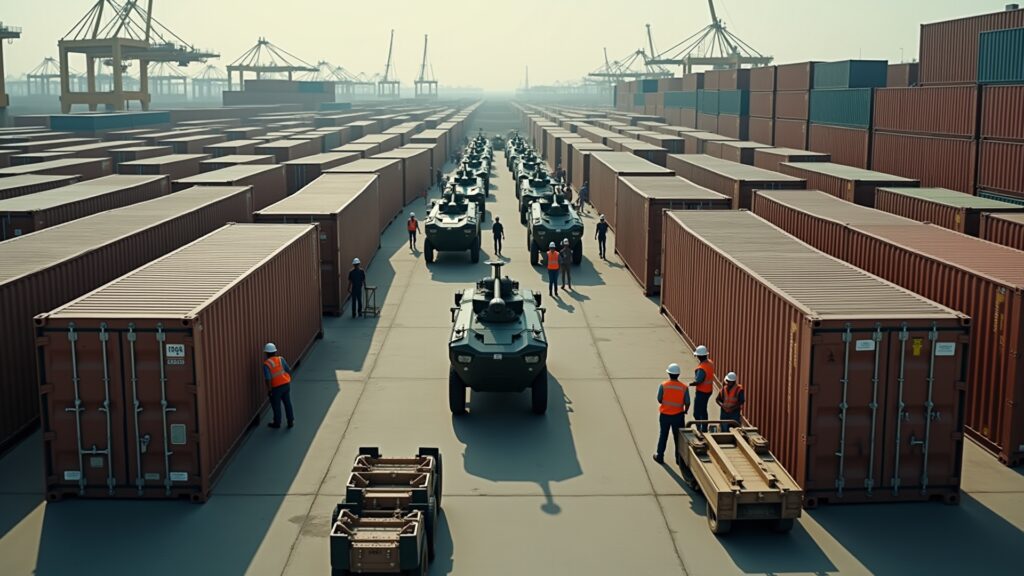
You have the potential to transform your role from a mere vendor to a value-creator in the defence industry. By understanding the intricacies of the value chain, you can leverage your manufacturing capabilities to foster innovation and build strategic partnerships. This shift not only enhances your competitiveness but also positions your company as a critical player in a rapidly evolving market. In this blog post, we will explore actionable strategies and insights to help you navigate this journey successfully.
Key Takeaways:
- Manufacturers must shift their focus from merely supplying products to delivering comprehensive solutions that address specific customer needs.
- Investing in technology and innovation is crucial for manufacturers to enhance their capabilities and improve their competitive edge in the defense industry.
- Building strategic partnerships within the supply chain can lead to greater collaboration and expanded access to new markets and opportunities.
Understanding the Defence Industry Value Chain
Definition and Components
The defence industry value chain encompasses a series of interconnected activities that contribute to the development and delivery of defence products and services. These include research and development, design, manufacturing, integration, testing, and logistics. Each component plays a role in enhancing efficiency and effectiveness, ultimately impacting the overall value delivered to end-users, such as armed forces and security agencies.
Importance of Value Creation
Value creation in the defence sector is paramount; it influences competitiveness and sustainability. By enhancing product quality, operational efficiency, and innovation, you not only meet the stringent demands of defence contracts but also differentiate your offerings in a crowded marketplace. This shift transforms your role from merely a supplier to a strategic partner.
In a sector as complex and regulated as defence, failure to focus on value creation can lead to significant disadvantages, such as reduced contract opportunities and diminished market position. By investing in cutting-edge technologies, sustainable practices, and strategic partnerships, you can elevate your standing within the value chain. This approach often leads to better procurement decisions from clients, increased customer satisfaction, and long-term contracts that foster stability. Data from PwC indicates that companies actively engaging in value creation initiatives see a 20% higher return on investment compared to those that do not prioritize these strategies. Embracing this mindset will not only enhance your profitability but also contribute to national security and mission success.
Current Trends in Defence Manufacturing
Manufacturers in the defence sector are increasingly adapting to rapid changes driven by technological innovation, geopolitical dynamics, and shifting market demands. This transformation is marked by the push for digital integration, enhanced collaboration across supply chains, and the growing importance of sustainability. Embracing these trends enables you to stay competitive and responsive in a landscape that values agility and foresight.
Technological Advancements
Innovations such as Artificial Intelligence and 3D printing are revolutionizing defence manufacturing, allowing you to reduce production costs and enhance operational efficiency. Companies deploying advanced technologies like automation and robotics are experiencing significant improvements in precision and speed, vital in a sector where every second counts.
Changing Customer Expectations
In today’s market, customer expectations are evolving rapidly, with a greater emphasis on customization, accountability, and speed of delivery. You must respond quickly to these demands by enhancing your product offerings and ensuring that your solutions meet the specific needs of military clients and partners.
With military contracts often accompanied by stringent performance requirements, your capacity to tailor offerings to meet these specifications is critical. For instance, the U.S. Department of Defense has highlighted a growing need for rapid prototyping and solution adaptability, prioritizing contracts that can deliver specialized equipment tailored for emerging threats. This means that it’s vital for you to invest in customer relationship management systems and feedback loops that consistently gather client input, allowing you to align your capabilities with their expectations. Engaging with your customers throughout the production process not only fosters a sense of collaboration but also enables you to anticipate their future needs more effectively, transforming you into a trusted partner rather than just a supplier.
Challenges for Traditional Manufacturers
Your journey towards becoming a value-creator in the defence industry comes with several challenges that traditional manufacturers must navigate. Adapting to evolving technologies and market demands while maintaining efficiency and cost-effectiveness can pose significant hurdles. Traditional practices may resist change, and investing in new capabilities often requires substantial resources and commitment.
Competitive Pressures
With the increasing demand for innovation, you face intense competition from both established players and emerging startups in the defence sector. These rivals are leveraging advanced technologies to enhance product capabilities and reduce costs, compelling you to rethink your strategies. The pressure to deliver superior quality and cutting-edge solutions can strain your existing operations, making agility a necessity.
Regulatory Constraints
Navigating the complex landscape of regulations is another significant challenge that manufacturers must contend with. Compliance with stringent defence industry standards demands an in-depth understanding of numerous rules, which can slow down production processes and increase costs. Failure to adhere to these regulations can lead to severe penalties or loss of contracts.
Regulatory constraints are multifaceted, involving export controls, security protocols, and quality assurance standards that vary by region. This complexity necessitates a dedicated compliance strategy, including thorough audits and continual training for your staff. Moreover, changes in government policies can rapidly shift compliance requirements, requiring you to stay agile and informed to mitigate risks effectively. For example, a shift in export controls may restrict your ability to enter lucrative foreign markets, highlighting the importance of proactive engagement with regulatory bodies to anticipate and adapt to changes.
Strategies for Transformation
As you aim to elevate your status within the defence industry, implementing targeted strategies is necessary. Transformation requires adopting innovative practices, forging robust partnerships, and continuously enhancing your value propositions. Understanding the deployment of these strategies will help you navigate the complexities of the value chain and position yourself as a vital contributor to the industry.
Embracing Innovation
Innovation is at the core of your transformation journey. Leveraging advanced technologies such as artificial intelligence, machine learning, and additive manufacturing can significantly enhance your product offerings and operational efficiencies. Companies that invest in research and development are better positioned to meet evolving customer demands and stay ahead of competitors.
Building Strategic Partnerships
Strategic partnerships can accelerate your growth in the defence industry. Collaborating with technology firms, research institutions, and even other manufacturers allows you to share resources, knowledge, and expertise, ultimately leading to enhanced capabilities. Effective partnerships can also provide access to new markets and customer bases.
Building strategic partnerships involves identifying complementary organizations with whom you can collaborate effectively. For example, teaming up with a technology firm could help you integrate advanced cybersecurity features into your products, addressing a critical concern within the defence sector. Forming alliances with universities and research institutions can drive innovation and keep you at the forefront of technological developments. Moreover, participation in joint ventures or consortia may enhance your credibility and visibility within the industry, opening doors for lucrative government contracts and opportunities.
Case Studies of Successful Transition
Examining successful transitions of manufacturers in the defence sector provides valuable insights into effective strategies and practices. These case studies highlight how companies leveraged innovation and partnerships to enhance their positions in the value chain.
- Boeing’s investment in digital manufacturing resulted in a 30% reduction in production time for their next-generation fighter jets.
- Lockheed Martin’s partnerships with small tech firms generated a 15% increase in R&D productivity, allowing faster innovation cycles.
- BAE Systems reported a 25% increase in operational efficiency by integrating predictive maintenance technologies into their production lines.
- Northrop Grumman’s strategic shift towards cyber solutions led to a 40% revenue growth in their security segment over three years.
Leading Manufacturers
Top manufacturers are prioritizing innovation, investing in advanced technologies, and forming strategic alliances, which allows you to benchmark your progress against industry leaders. These practices enhance your competitive edge and facilitate entry into higher-value segments of the market.
Lessons Learned
Transitioning from traditional manufacturing to a value-creating role requires understanding market demands, embracing technology, and fostering collaboration. Key takeaways from successful firms include the importance of agility, customer engagement, and continuous investment in emerging technologies.
Successful transitions in the defence sector demonstrate that agility is vital for adapting to rapidly evolving requirements. Manufacturers learned that engaging with end-users not only fosters relationships but also drives product relevance. Investment in advanced technologies like AI and IoT is crucial for enhancing operational capabilities. Furthermore, developing collaborative networks enables sharing risks and resources, which can significantly improve innovation outcomes. Each of these lessons can be a roadmap for your journey toward becoming a value-creator in the industry.
Future Outlook for Manufacturers in Defence
As the defence industry evolves, manufacturers face a landscape rich with potential. Embracing advanced technologies like AI, IoT, and additive manufacturing will allow you to innovate and improve efficiency. Additionally, increased collaboration with government agencies and private sector partners will open new pathways for growth, enabling you to better meet the complex demands of modern defence systems.
Emerging Opportunities
With heightened global security concerns, the demand for advanced defence solutions is growing. You can capitalize on this trend by diversifying your offerings, such as entering the domain of cyber defence and unmanned systems. Focusing on research and development will also position you favorably, allowing you to lead in emerging technologies that reshape military capabilities.
Predictions for Value Creation
You can anticipate a shift towards systems integration, where partnerships across technology providers will be vital. This collaboration will enhance your product offerings, resulting in comprehensive solutions that address complex operational needs. By 2030, expect over 30% of defence procurement budgets allocated to innovative technologies and value-added services as nations seek efficiency and effectiveness in military spending.
The future is set to witness a significant transition in how defence manufacturers create value. With predictions indicating that systems integration will dominate the field, fostering partnerships with tech firms will be vital for you. The growth in defence budgets for emerging technologies, alongside the increased focus on cybersecurity, means innovation will not only be an asset but a requirement. By aligning your capabilities with these trends, you’ll position your company to capture a larger market share and serve defence entities with strategic depth, thus securing your role as a key player in the value chain.
Summing up
With these considerations, you can effectively transition from being a mere vendor to a value-creator within the defence industry. By embracing innovation, fostering strategic partnerships, and focusing on customer-centric solutions, you elevate your offerings and enhance your position in the value chain. This shift not only strengthens your competitiveness but also aligns your capabilities with the evolving demands of defence procurement. As you implement these strategies, you solidify your role as a vital player in a dynamic industry that values bespoke solutions and agility.
FAQ
Q: What strategies can manufacturers employ to transition from being a vendor to adding value in the defence industry?
A: Manufacturers can focus on innovation, invest in research and development, and enhance collaboration with other stakeholders in the defence ecosystem. Establishing partnerships with technology firms and defence primes can provide access to advanced solutions and market insights, facilitating a shift from basic supply roles to strategic value-added positions.
Q: How can manufacturers assess their current position in the defence industry value chain?
A: A thorough analysis of the existing supply chain, competitor benchmarking, and a review of customer feedback are effective ways to evaluate current standing. Additionally, identifying strengths, weaknesses, opportunities, and threats (SWOT analysis) can help manufacturers understand their role and pinpoint areas for growth and improvement.
Q: What role does technology play in helping manufacturers become value-creators in the defence sector?
A: Technology is a key enabler for manufacturers aiming to enhance their offerings. By adopting advanced manufacturing techniques, utilizing digital tools for efficiency, and integrating smart technologies like IoT and AI, manufacturers can create innovative products and services that meet the evolving demands of the defence sector, positioning themselves as integral contributors to mission success.