Over the next decade, the landscape of defence manufacturing will evolve significantly, and as a CXO, you must prioritize automation, quality, and supply chain discipline to stay competitive. Embracing these elements will not only enhance operational efficiency but also ensure that your factory meets the ever-changing demands of the market. By integrating advanced technologies and streamlining processes, you can build a future-ready defence factory that aligns with industry standards and fosters innovation. This post will guide you through crucial strategies and best practices to implement and optimize these critical areas in your organization.
Key Takeaways:
- Implement advanced automation technologies to enhance operational efficiency in defence manufacturing processes.
- Focus on rigorous quality control measures to ensure product reliability and compliance with industry standards.
- Establish a disciplined supply chain management system to improve responsiveness and reduce risks in procurement and logistics.
The Importance of Automation in Defence Manufacturing
Automation is reshaping defence manufacturing by enabling higher precision, speed, and cost-effectiveness. By streamlining processes, you can substantially reduce lead times and minimize human error, resulting in better overall product quality. This transformation requires investing in state-of-the-art technology to achieve operational excellence and maintain a competitive edge in a rapidly evolving sector.
Enhancing Efficiency through Technology
Your ability to incorporate advanced technology into manufacturing processes can lead to significant improvements in efficiency. You can achieve faster production cycles and better resource management through the use of sophisticated software systems and automated machinery, ultimately enhancing your operational throughput without compromising quality.
Integrating Robotics and AI in Production Processes
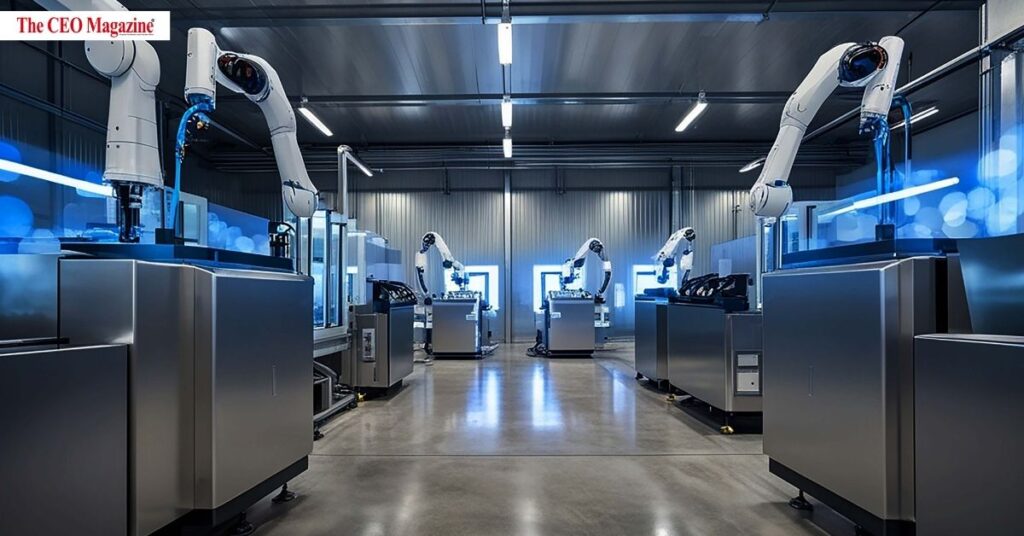
Utilizing robotics and AI in production allows for the optimization of complex assembly tasks. You can implement automated systems that adapt to dynamic demands while offering real-time analytics. This integration ensures that you maintain high productivity levels and consistently meet stringent military specifications.
For instance, AI-driven predictive maintenance tools can identify potential machine failures before they happen, helping you avoid costly downtime. Robotics can automate intricate tasks, allowing your skilled workforce to focus on complex decision-making and strategic planning. You might consider case studies demonstrating how facilities that integrated robotics have observed a 30% increase in production efficiency while reducing human labor costs by up to 15%. These advancements not only enhance your operational capacity but also foster innovation within your organisation, positioning you for future challenges in the defence landscape.
Ensuring Quality Control Standards
Your commitment to quality control significantly influences the overall effectiveness of the defense factory. Implementing robust quality management systems ensures products meet stringent standards, thus minimizing defects and maximizing reliability. Consistent monitoring and process optimization can lead to a significant reduction in costly reworks and downtime, enhancing operational efficiency and customer satisfaction.
Implementing Advanced Quality Assurance Techniques
Incorporating advanced quality assurance techniques elevates your factory’s output. Techniques such as Six Sigma, Lean Manufacturing, and Total Quality Management can systematically reduce variability and enhance product quality.
- Utilize data analytics for real-time quality monitoring.
- Implement automated inspection systems to reduce human error.
- Train your workforce in quality standards and practices.
Key Quality Assurance Techniques
| Technique |
Description |
| Six Sigma |
A data-driven approach to eliminate defects. |
| Lean Manufacturing |
Focus on value creation while minimizing waste. |
| Total Quality Management |
Organization-wide effort to instill quality in every process. |
Regulatory Compliance and Its Impact on Production
Regulatory compliance is non-negotiable in the defense industry, shaping every aspect of production. Adhering to standards such as ISO and military specifications ensures not only legal conformity but also trust in your products.
Regulatory frameworks set the boundaries within which you operate, affecting everything from material selection to production methods. Compliance isn’t just about following rules; it drives innovation and continuous improvement. Companies that thrive often leverage compliance to differentiate themselves, using it as a standard to ensure robust quality, operational efficiencies, and responsive supply chains, thus aligning with both customer expectations and international standards. A well-defined compliance strategy will see your production processes not only meet but exceed regulatory expectations, fostering a culture of quality that permeates through every level of your operation.
Supply Chain Management Excellence
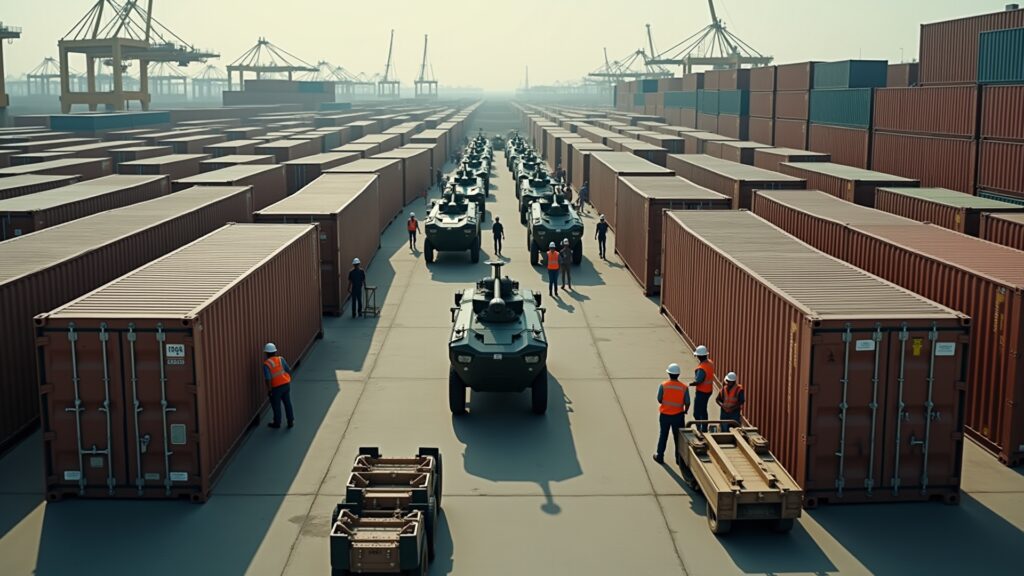
Your success in building a future-ready defense factory hinges on achieving excellence in supply chain management. Effective supply chain strategies enable you to streamline operations, reduce costs, and enhance delivery performance. By fostering robust relationships with suppliers and incorporating advanced technologies, you can ensure that materials flow seamlessly, risks are mitigated, and output meets stringent standards. This approach not only improves efficiency but also positions your organization to adapt swiftly to ever-changing market demands.
Building Resilience in Supply Chains
Strengthening resilience in your supply chains helps safeguard against disruptions, ensuring continuous operations. Implementing diversified sourcing strategies allows you to avoid over-reliance on single suppliers, creating a buffer when challenges arise. Additionally, establishing strong communication channels with partners ensures timely responses to unforeseen issues, thereby preserving the integrity of your production timelines.
Leveraging Data Analytics for Supply Chain Optimization
Utilizing data analytics in supply chain management offers you unprecedented insights for optimization. By harnessing real-time data, you can predict demand fluctuations, monitor supplier performance, and identify inefficiencies throughout your operations. Accurate forecasting and dynamic adjustments based on analytics not only streamline logistics but also enhance cost management, ultimately improving your bottom line.
Investing in advanced data analytics tools equips you to transform raw data into actionable insights, driving decision-making across your supply chain. For instance, predictive analytics can enhance your inventory management, reducing stockouts and excess inventory. A case study of a leading defense contractor revealed a 20% reduction in logistics costs after implementing data-driven forecasting methods. By integrating machine learning algorithms, you can continuously refine your processes, gaining competitive advantages amid evolving market conditions. This strategic use of analytics not only optimizes operations but also fosters a proactive culture of improvement within your organization.
The Role of CXOs in Driving Change
Your leadership as a CXO is fundamental in catalyzing the necessary transformations within the defense sector. By leveraging strategic insights and innovative approaches, you can drive significant advancements in automation and efficiency. Engaging with stakeholders and employees alike allows you to foster an environment conducive to progress, ensuring that your factory remains competitive in an evolving landscape.
Leadership Strategies for Modern Defence Factories
Adopting a proactive leadership strategy is vital as you navigate the complexities of modern defense manufacturing. Emphasizing transparency and communication builds trust among teams, while your dedication to continuous improvement fosters a mindset that embraces change. This strategy not only enhances employee morale but also empowers your workforce to take ownership of their contributions, ultimately leading to increased productivity.
Fostering a Culture of Innovation and Adaptability
Cultivating a culture that prioritizes innovation and adaptability is vital for your defense factory’s success. Encouraging cross-functional teams to collaborate on creative solutions enhances problem-solving capabilities and accelerates the development of new technologies. By prioritizing ongoing training and development, you equip your employees with the tools they need to respond effectively to industry shifts and customer demands.
To deepen this culture of innovation, invest in regular workshops and brainstorming sessions that invite diverse perspectives. Implementing idea incubators where employees can test and develop their concepts drives engagement and can lead to breakthroughs. Highlighting case studies of successful innovations within your organization can inspire others, demonstrating that adaptability is not just a necessity but a pathway to achieving strategic objectives. Additionally, establishing partnerships with academic institutions and tech startups can infuse fresh ideas and ensure your factory remains at the forefront of technological advances.
Sustainable Practices in Defence Manufacturing
Sustainable practices are reshaping the landscape of defence manufacturing, driving efficiency and compliance while enhancing the industry’s reputation. Integrating eco-friendly materials, reducing waste through lean production methods, and investing in renewable energy sources contribute to minimizing environmental impact. By adopting such approaches, you position your organization as a leader in the market while meeting societal expectations for responsibility and sustainability.
Environmental Considerations and Green Technologies
Embracing environmental considerations involves leveraging advanced green technologies in manufacturing. You can implement solutions like solar energy systems, energy-efficient machinery, and waste reduction technologies that recycle materials back into the production cycle. This transition not only helps reduce carbon footprints but also minimizes operational costs significantly, fostering a more sustainable manufacturing environment.
The Business Case for Sustainability in Defence
Investing in sustainable practices delivers tangible benefits that directly impact your bottom line. By reducing energy consumption and improving resource efficiency, your organisation can lower operating costs and enhance profitability. Furthermore, companies focusing on sustainability often unlock new business opportunities, access incentives, and improve competitive advantage, appealing to both clients and partners who prioritize corporate social responsibility.
The business case for sustainability in defence manufacturing is compelling, illustrating that environmentally responsible practices can lead to significant financial returns. According to a report by McKinsey, companies that integrate sustainability into their operations can achieve cost savings of 25% or more through smarter resource management and waste reduction. Additionally, stakeholders are increasingly demanding transparency regarding environmental impacts, and firms that proactively engage in sustainable practices can differentiate themselves in a competitive market, securing contracts with governments and organizations prioritizing ethical standards.
Future Trends in Defence Manufacturing
Anticipating future trends in defence manufacturing is vital for your organization to stay competitive. As geopolitical tensions rise and technological advancements accelerate, the integration of advanced robotics, artificial intelligence, and additive manufacturing will reshape production capabilities. Embracing these innovations will not only enhance operational efficiency but also improve responsiveness to changing military needs.
The Impact of Emerging Technologies
Your ability to leverage emerging technologies significantly influences the future of defence manufacturing. Innovations such as 3D printing and AI-driven analytics provide modular and scalable solutions, enabling rapid prototyping and improved decision-making. Incorporating these technologies allows for more adaptive supply chains and tailored defense solutions that meet evolving threats.
Preparing for Disruptions in the Defence Sector
Anticipating and preparing for potential disruptions in the defence sector is vital for maintaining operational readiness. With increasing unpredictability influenced by global events, cybersecurity breaches, and changes in military protocols, your organization must adopt proactive strategies. Building resilience through flexible manufacturing processes, diversified supplier networks, and continuous risk assessments ensures you can swiftly respond to unforeseen challenges.
To effectively navigate disruptions, create a crisis management framework that includes scenario planning and contingency strategies. Implementing regular training sessions focused on emerging threats can enhance your team’s responsiveness. Furthermore, fostering strong relationships with suppliers can facilitate collaboration during crises, ensuring that you maintain vital operations even in challenging circumstances. Proactively embracing innovations and improving your supply chain strategies will enable you to turn potential challenges into opportunities for growth and adaptation.
Final Words
As you navigate the complexities of building a future-ready defence factory, keep in mind the integration of automation, quality, and stringent supply chain discipline. These elements are not just enhancements; they are foundational to achieving operational excellence. Prioritize these aspects to elevate your organisation’s capabilities and stay ahead of industry demands. By focusing on these pivotal areas, you position your factory as a leader in innovation and efficiency, ultimately contributing to national security and economic growth.
FAQ
Q: How does automation enhance the efficiency of a defence factory?
A: Automation streamlines production processes, reduces human error, and increases throughput. By implementing robotics and smart machinery, defence factories can achieve higher precision in manufacturing and reduce the time required for production cycles, enabling a rapid response to demand changes.
Q: What role does supply chain discipline play in the operational success of a defence factory?
A: Supply chain discipline ensures that materials and components are available when needed, minimizing delays and ensuring production continuity. It involves strategic sourcing, inventory management, and collaboration with suppliers to maintain a seamless flow of goods, which is vital for meeting deadlines in defence projects.
Q: How can quality assurance be integrated into the manufacturing process in defence production?
A: Quality assurance can be integrated through the adoption of standard operating procedures, real-time monitoring of production metrics, and regular audits of systems and processes. By embedding quality checks at each stage of production, defence factories can ensure compliance with industry standards and customer specifications.