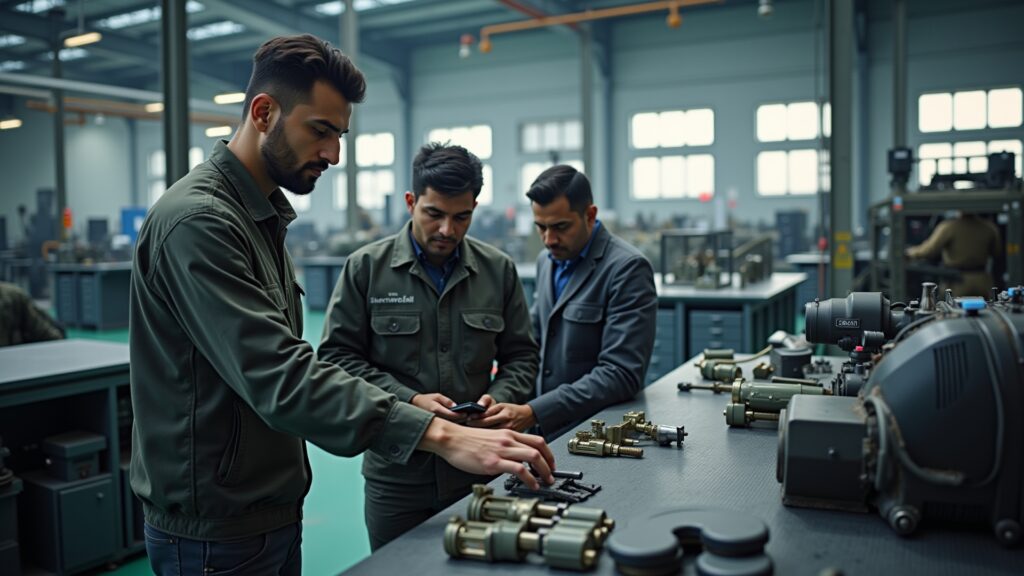
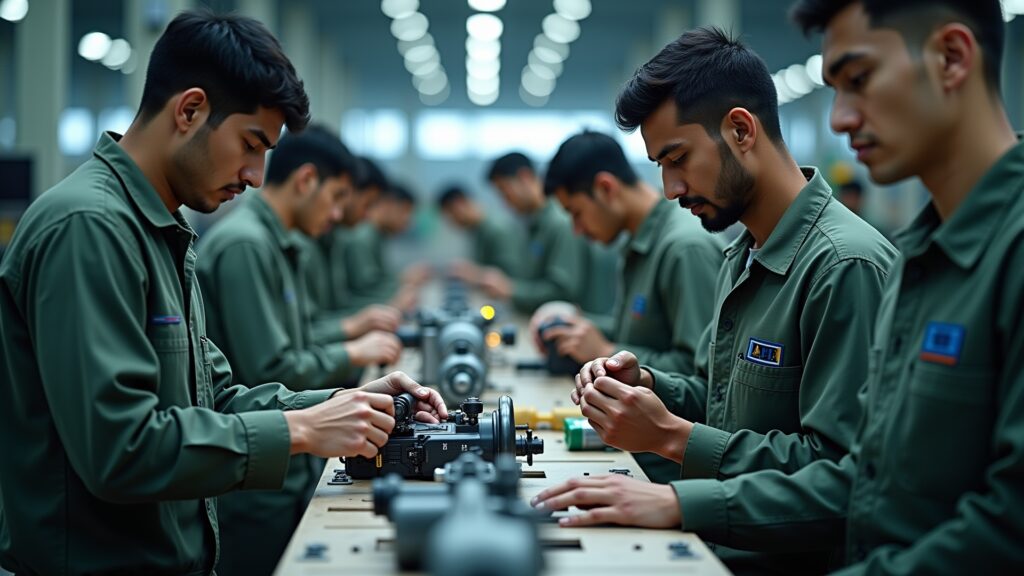
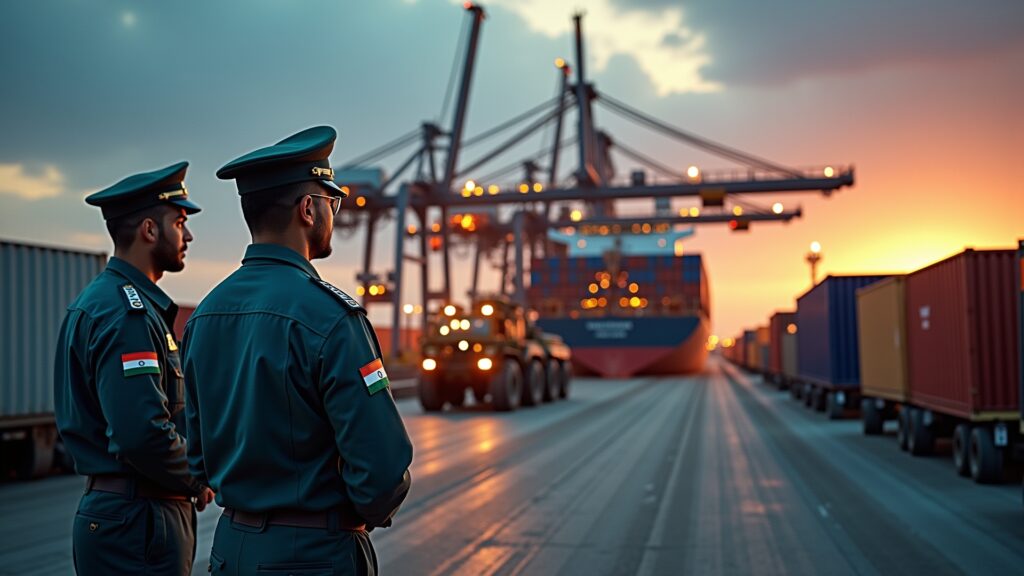
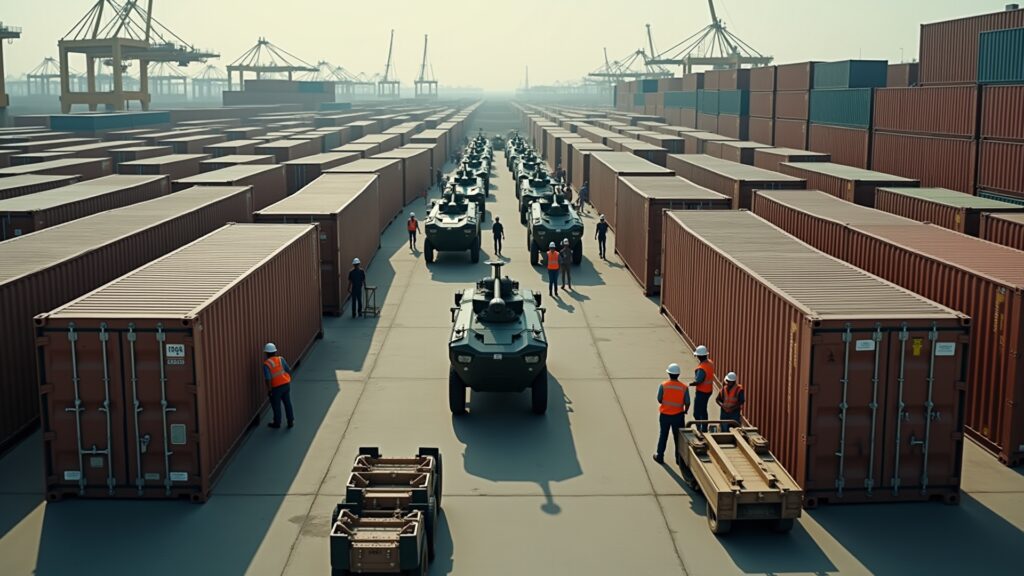
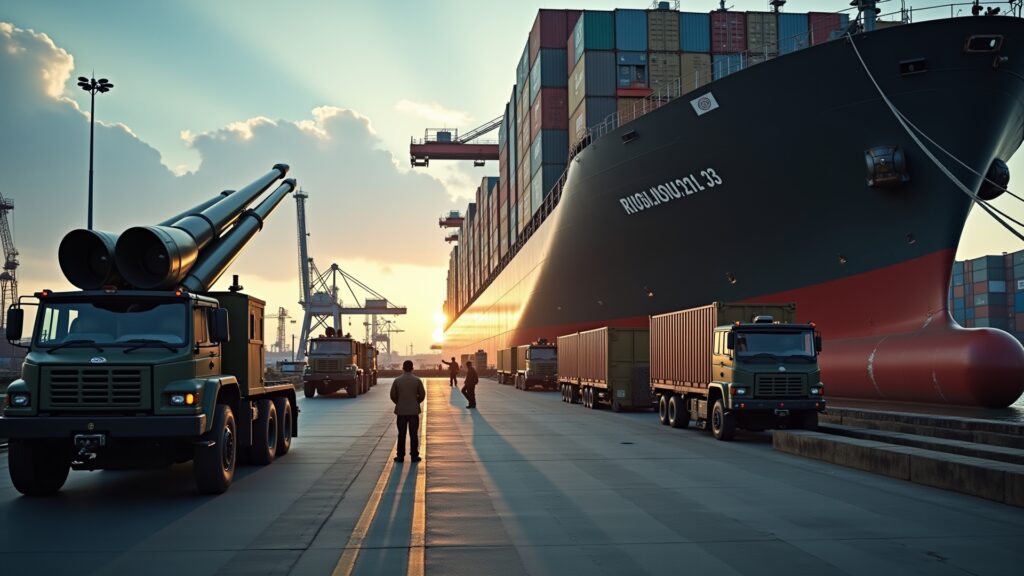
As someone navigating the complex terrain of defence manufacturing, investment, or policy-making in India, you are witnessing a tectonic shift in how the country positions itself on the global military exports map. India’s strategic overhaul of its defence attache network abroad is not merely a diplomatic reshuffle; it is a deliberate pivot towards accelerating indigenous defence production and export capability through a business-driven diplomatic framework. This initiative matters to you because it is designed to open new corridors for defence businesses, strengthen global market access, and align export promotion with procurement reforms—elements essential for your growth and sustainability in the international defence sector.
Why This Matters to You
The revamped defence attache network directly impacts your strategic decisions by enhancing how Indian defence products and technologies reach global markets. Whether you represent an established public sector unit, a fast-growing private manufacturer, or an ambitious startup, this shift can help you navigate export complexities with greater ease, access new opportunities, and build international partnerships. From an investment perspective, it signals India’s commitment to transforming its defence ecosystem into a globally competitive industrial powerhouse—a critical factor to weigh when allocating capital or planning long-term expansions.
What Is Happening?
Traditionally, Indian defence attaches abroad served primarily as military diplomats focused on bilateral defence cooperation. Now, they are being repositioned to act as commercial diplomats with an explicit mandate to:
- Promote Indian defence exports actively.
- Engage with foreign ministries, procurement authorities, and defence firms to identify and unlock export markets.
- Facilitate compliance with export controls, licensing, and technology transfer negotiations.
This structural change leverages India’s diplomatic channels to better align with the government’s broader Defence Export Strategy, which includes ambitious targets for export growth and standards harmonization.
Key Strategic Implications
Enhancing Defence Manufacturing and Export Competitiveness
By positioning defence attaches as frontline business facilitators, India recognizes the increasing importance of diplomacy in the defence export supply chain. This approach empowers manufacturers to engage with key decision-makers abroad, accelerating market entry and tailoring products to specific procurement requirements—crucial for gaining international contracts where standards and compliance are stringent.
Fueling Private Sector Participation and Innovation
Your role as a private manufacturer or startup stands to gain considerable advantage. Defence attaches acting as commercial diplomats can broker partnerships, joint ventures, and technology collaborations. This brings you closer to the global supply chain, enhances your technical capabilities, and helps meet international delivery and quality benchmarks essential to competing on the world stage.
Aligning Policy and Procurement Frameworks
This diplomatic revamp complements ongoing domestic procurement reforms focused on streamlining technology acquisitions and empowering indigenisation through export-oriented policies. The network aims to simplify regulatory hurdles, enabling faster export authorization and fostering a more business-friendly environment for defence exports.
Deeper Strategic Insight
Looking beyond transactional export facilitation, this shift signals a maturing defence industrial strategy. The integration of diplomatic, industrial, and policy instruments reflects a nuanced understanding that defence exports require multifaceted support—from technology development to negotiating bilateral terms to supply chain resilience.
“In defence, scale matters — but strategic self-reliance matters even more.”
This recalibrated attache network is part of a broader vision to embed Indian defence capabilities within global value chains, enhancing your sector’s export readiness and capacity for sustainable growth. Such positioning amplifies India’s role as a credible military exporter, elevating your business prospects in increasingly competitive international markets.
Practical Takeaways for Defence Leaders and Investors
- Understand the evolving role of defence attaches: They are your extended commercial arm abroad; engage with them proactively to gain market insights and support.
- Monitor policy alignments: Keep track of how export facilitation and procurement reforms integrate with diplomacy for smoother business operations.
- Leverage global partnerships: Use the avenues created by this diplomatic shift to forge international collaborations, meeting compliance and quality demands.
- Invest in export readiness: Prioritize product standardization, certifications, and technology upgrades to capitalize on new market openings.
- Prepare for market diversification: Engage with attache networks to identify emerging markets beyond traditional defence buyers.
Expert Perspectives
“The real edge is not only in buying capability, but in building the industrial depth to sustain it.”
“When procurement clarity, technological innovation, and manufacturing discipline align, defence growth becomes far more durable.”
Risks and Challenges Ahead
While the defence attache network’s recalibration promises significant benefits, you should be mindful of persistent challenges. Export controls and technology transfer negotiations remain complex and may require continuous diplomatic finesse. Coordination between defence attaches, manufacturers, and policy bodies must be seamless. Additionally, evolving geopolitical dynamics could affect bilateral defence trade agreements, requiring flexible strategies and risk mitigation on your part.
What You Should Watch Next
Keep an eye on the implementation pace of this network’s reorientation in strategic markets, its integration with India’s Defence Export Strategy, and any new bilateral defence agreements facilitated through these attaches. Tracking how private sector manufacturers and startups leverage this infrastructure to translate opportunities into contracts will also be telling for the network’s success.
Conclusion
India’s revamped defence attache network marks a decisive step in reshaping the country’s military exports landscape. By embedding commercial imperatives into defence diplomacy, this network enhances your ability to compete internationally, supports supply chain resilience, and reinforces the indigenisation agenda. For defence business leaders, manufacturers, investors, and policymakers, this initiative signals a more navigable and opportunity-rich future in global defence markets—one where India’s defence industry stands positioned for strategic and sustainable growth.
Embracing this evolution in defence diplomacy is vital for those seeking to capitalize on India’s emergence as a formidable defence exporter.