The recent escalation of tensions in Iran is far more than just a geopolitical flashpoint—it is a strategic alarm for your business and leadership decisions within India’s defence manufacturing sector. This crisis throws into sharp relief the vulnerabilities in global supply chains and underscores the critical urgency for you to invest in and reinforce India’s defence manufacturing hubs. These hubs are now pivotal to ensuring not only uninterrupted production but also the advancement of India’s position on the global defence platform.
Why This Matters to You
As a defence industry leader, investor, or policymaker, the Iran crisis directly impacts your strategic outlook. Supply chain disruptions caused by geopolitical uncertainty threaten timelines, costs, and technological progress within your operations. Strengthening India’s manufacturing hubs is no longer optional—it’s a strategic imperative to secure supply resilience and sustain competitive advantage. Whether you are involved in private sector manufacturing, innovative startups, or large-scale defence exports, this landscape shift demands a recalibration of your plans and investments.
What Is Happening in India’s Defence Manufacturing Ecosystem?
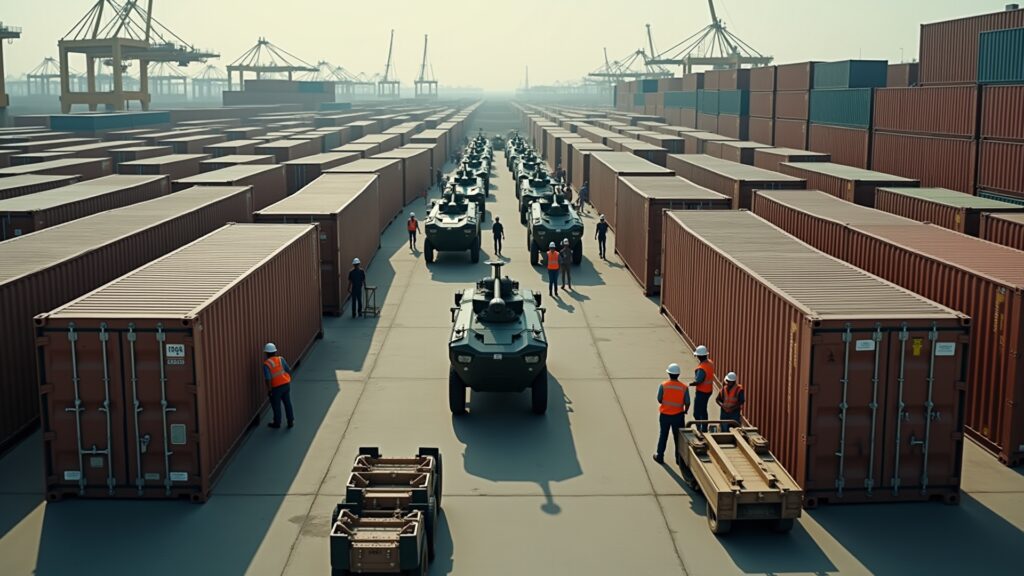
India’s defence sector is at a crossroads, propelled by bold government reforms like the Make in India initiative and updates to the Defence Acquisition Procedure. These policies aim to localise production, enhance technological self-reliance, and spur defence exports. However, the Iran crisis has exposed the fragility of depending on complex global supply chains, especially for materials and energy essential for defence manufacturing.
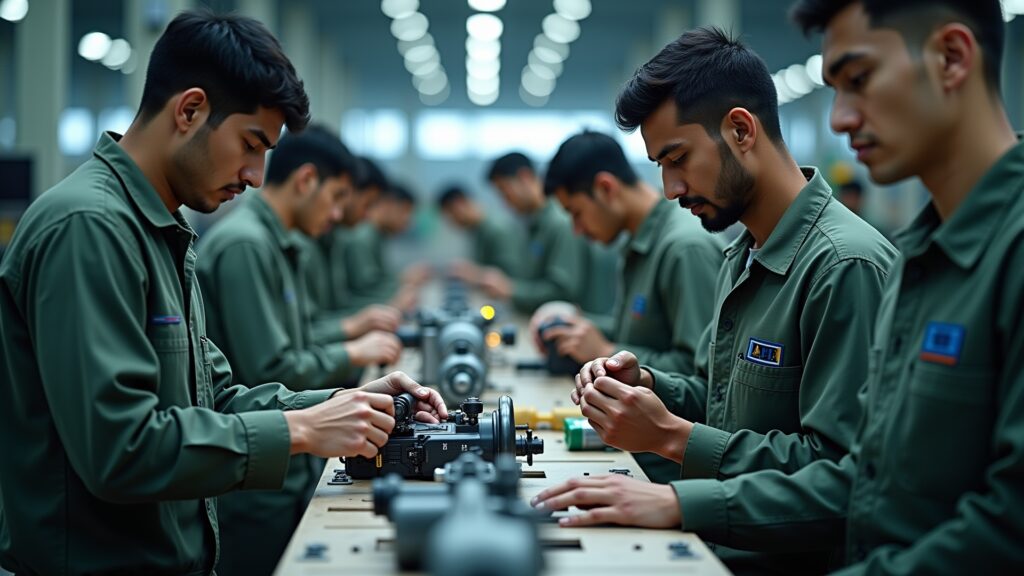
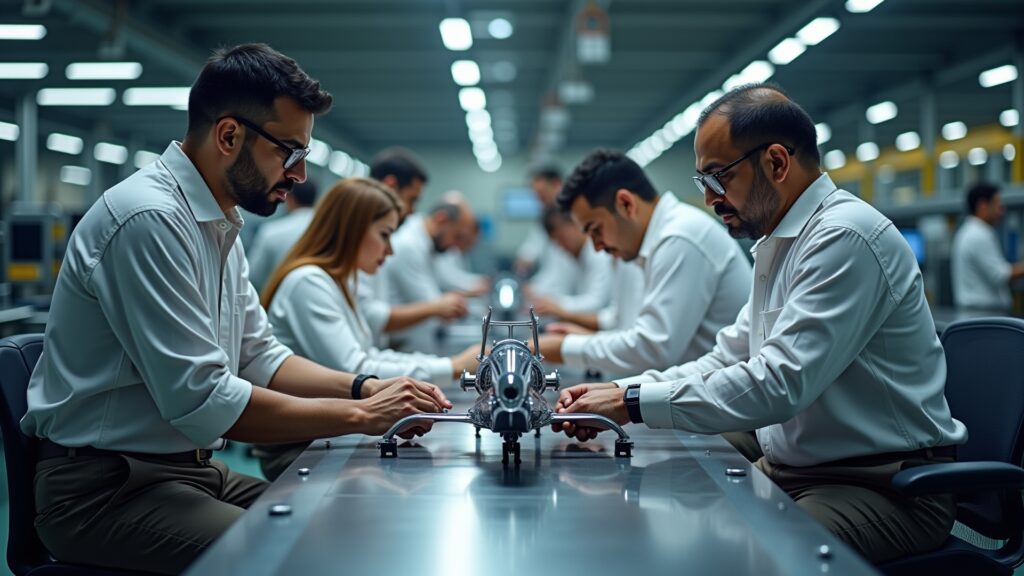
In response, there is intensified focus on developing robust, distributed manufacturing hubs across strategic locations in India—these are not mere production sites but ecosystem enablers integrating technology, skilled workforce development, and stringent security measures.
Key Impact Areas: Strategic Supply Chains, Technology, and Policy
The fallout from the Iran crisis crystallizes several critical imperatives for your defence business:
- Supply chain resilience: Diversification and localisation of inputs to mitigate risks from geopolitical disruptions.
- Technological integration: Adoption of advanced manufacturing technologies, automation, and cybersecurity to future-proof production.
- Policy alignment: Leveraging government incentives and reforms aimed at streamlining procurement and boosting indigenous capacity.
“In defence, scale matters — but strategic self-reliance matters even more.”
Strategic Insight: Private Sector and Innovation as Growth Engines
The crisis opens a clear avenue for you to escalate private sector involvement and innovation-led growth. Defence startups and MSMEs embedded in innovation ecosystems like iDEX can accelerate agile, adaptive solutions that elevate manufacturing flexibility and technology sophistication. Expanding defence corridors to foster concentrated manufacturing clusters will attract capital, enable public-private partnerships, and facilitate vital technology transfers.
This strategic muscle-building not only protects your supply chains but also positions you to seize global defence export opportunities amid shifting geopolitics.
Practical Takeaways for Defence Industry Stakeholders
- Understand the strategic importance: Recognize why consolidating and upgrading manufacturing hubs is fundamental to operational resilience.
- Monitor policy developments: Stay informed of procurement reforms and incentives designed to support domestic manufacturing.
- Invest in innovation: Prioritize startups and MSMEs that are developing cutting-edge technologies and resilient production capabilities.
- Enhance supply chain diversity: Avoid overreliance on volatile international sources by building local and multi-regional supply bases.
- Forge partnerships: Develop collaborations across private and public sectors for holistic ecosystem development.
“The real edge is not only in buying capability, but in building the industrial depth to sustain it.”
Risks and Challenges to Navigate
While the drive to harden defence manufacturing hubs is imperative, you must also contend with hurdles such as:
- Infrastructure constraints in emerging defence corridors.
- Skill gaps needing urgent and focused workforce development programs.
- The complexity of integrating new technologies without disrupting existing production.
- Potential regulatory bottlenecks that could stall procurement or innovation funding.
Proactively addressing these challenges will determine the effectiveness of your resilience strategies.
What You Should Watch Next
Keep a close eye on:
- Government announcements on defence corridor expansions and subsidy schemes.
- Private sector collaborations, mergers, and investments within defence manufacturing.
- Technological breakthroughs in automation, drone systems, and cybersecurity tailored for manufacturing resilience.
- Global shifts affecting raw material availability and energy supply routes.
Conclusion: A Strategic Imperative for Your Defence Business
The Iran crisis is a strategic inflection point that directly amplifies the urgency to strengthen India defence manufacturing hubs. For you leading the defence industry—whether as a manufacturer, investor, innovator, or policymaker—this moment demands a decisive focus on building consolidated and resilient hubs.
These hubs will shield your operations from geopolitical shocks, foster export competitiveness, stimulate cutting-edge innovation, and ultimately cement India’s global stature in defence manufacturing. Anticipate, adapt, and invest wisely now to shape a future where India’s defence ecosystem thrives on self-reliance and global leadership.
“When procurement clarity, technological innovation, and manufacturing discipline align, defence growth becomes far more durable.”