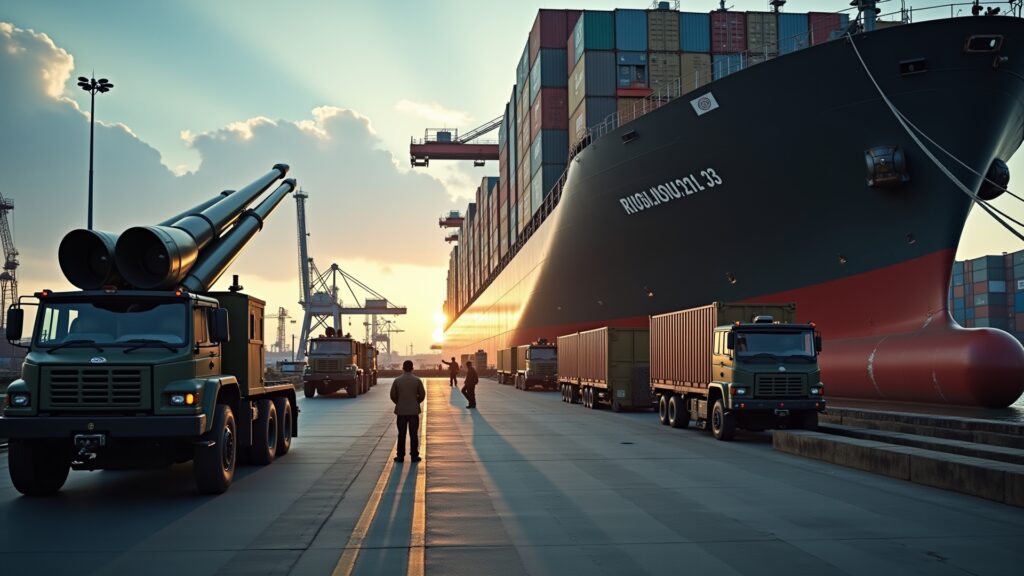
Just by embracing localisation, you can significantly enhance your position within the defence supply chain. This strategy not only fosters deeper relationships with local partners but also elevates your brand’s reputation while ensuring compliance with government regulations. By focusing on local procurement and manufacturing, you can reduce costs, streamline operations, and ultimately unlock new growth opportunities in an increasingly competitive market. Understanding the nuances of localisation will empower you to make informed decisions that drive your business forward.
Key Takeaways:
- Localization enhances competitive advantage by fostering closer relationships with local suppliers and communities in the defense sector.
- Implementing localized strategies can lead to cost reductions and improved operational efficiencies throughout the supply chain.
- Deepening engagement within local markets can increase resilience and adaptability in response to geopolitical changes and supply chain disruptions.
Understanding Defence Supply Chains
In the complex landscape of defense supply chains, you need to comprehend the intricacies involved in ensuring national security and military readiness. These supply chains consist of various interconnected components, from raw material suppliers to manufacturers of advanced technology systems. Each part plays a significant role in delivering capabilities to armed forces, requiring efficient coordination and communication among all participants to meet stringent deadlines and regulatory requirements.
Overview of the Defence Industry
The defense industry encompasses a wide range of activities, including research, development, and manufacturing of military hardware, software, and support systems. This sector is characterized by its high-tech innovations, with a global market valued at over $600 billion as of 2021, driven by ongoing geopolitical tensions and modernization efforts around the world. A successful defense strategy relies heavily on both domestic and international partnerships to achieve robust procurement and logistics capabilities.
Key Players and Stakeholders
Key players within the defense supply chain include government defense departments, prime contractors, subcontractors, and suppliers, each contributing to the overall mission. Understanding your position in this ecosystem is necessary for effective engagement, as it allows you to identify opportunities for collaboration and growth. Government entities often dictate procurement policies, while defense contractors manage projects and subcontracting activities to align with military needs.
Engaging with key players like Lockheed Martin, Northrop Grumman, and Raytheon not only gives you insights into industry trends but also exposes you to potential contracts and partnerships. Each stakeholder brings different capabilities and expertise that can enhance your strategic approach, whether you are a emerging technology provider or a traditional manufacturer. With defense spending projected to increase, aligning your localization efforts with the priorities of these influential entities can significantly impact your growth and integration within the supply chain.
The Importance of Localisation
Understanding the value of localization in the defense supply chain can significantly amplify your market presence. By embedding yourself within local contexts, you unlock access to regional resources, talent, and expertise, creating a symbiotic relationship that boosts overall effectiveness and responsiveness in operations. This tailored approach not only meets specific needs of local markets but also fosters resilience against global supply chain disruptions.
Economic Benefits
Localization drives economic growth by generating jobs and stimulating local economies. As you engage with regional suppliers and services, your investments help to bolster the local workforce, leading to increased spending power and community development. This approach can result in reduced logistics and transportation costs, effectively enhancing your overall profit margins.
Strategic Advantages
Leveraging localization allows you to adapt swiftly to emerging market needs and regulatory changes while enhancing your competitive position. You gain deeper insights into local market dynamics, leading to innovations tailored to regional specifications. Establishing local partnerships can also enhance trust and reputation, solidifying your standing within the defense community.
Moreover, localized operations empower you to respond quickly to evolving defense requirements and geopolitical shifts. When working closely with local suppliers and institutions, you can anticipate changes in regulations and demand patterns more effectively. This agility ensures that your organization remains relevant and responsive, allowing you to seize opportunities that might otherwise be overlooked. Being present in local markets not only strengthens your connections but also positions you strategically against competitors who may not have the same level of local engagement.
Deepening Engagement in the Supply Chain
Your success in the defense supply chain hinges on the extent of your engagement with local partners. By forging closer ties with regional suppliers and stakeholders, you can tap into unique insights and resources that enhance your operational capacity. This collaborative approach not only strengthens your position but also fosters innovation and resilience within your supply chain, ultimately contributing to a more robust and effective defense ecosystem.
Identifying Opportunities for Local Partnerships
Finding local partners can lead to significant advantages in the defense sector. Explore companies with specialized capabilities or innovative technologies that complement your offerings. Engaging in industry events, workshops, and industry associations can unveil opportunities for collaborations that enhance your operational effectiveness and expand your reach.
Building Capabilities and Competencies
Investing in local capabilities and competencies strengthens your supply chain. This involves training programs, technological investments, and joint ventures that elevate your partners’ skills and capacities. By fostering local talent and expertise, you not only increase your reliability as a supplier but also cultivate a competitive edge that sets you apart in the marketplace.
Building capabilities and competencies can manifest in various ways. Consider establishing training initiatives tailored to local suppliers, equipping them with the knowledge and skills necessary to meet the specific demands of the defense sector. Collaborating with educational institutions or leveraging existing technologies can help create an ecosystem that prioritizes continuous improvement. By investing in these areas, you cultivate a culture of innovation and excellence, ensuring your supply chain is not only robust but also adaptable to the evolving landscape of defense procurement.
Best Practices for Localisation
Implementing localisation strategies effectively involves understanding your market’s specific needs and adjusting your approaches accordingly. Engage with local suppliers to streamline your supply chain, improve delivery times, and enhance overall product offerings. Establish strong partnerships with regional companies to leverage shared knowledge and resources, ensuring that your localisation strategy aligns with local regulations and market dynamics.
Case Studies of Successful Localisation
Examining real-world applications of localisation showcases its potential impact on growth and innovation in the defence supply chain. Companies that have embraced this strategy report significant advantages.
- Company A: Achieved a 30% reduction in supply chain costs through local sourcing.
- Company B: Increased local sales by 50% after engaging regional stakeholders in product development.
- Company C: Reported a 25% improvement in delivery times by partnering with nearby manufacturers.
- Company D: Expanded market share by 35% through tailored solutions for local customers.
Lessons Learned and Recommendations
Valuable insights emerge from successful localisation initiatives, emphasizing the importance of fully integrating local perspectives into your operations. Adapting to the local regulatory environment and market preferences is necessary. Additionally, fostering ongoing communication with local partners ensures sustained collaboration and responsiveness. Investing in community relationships not only boosts your brand reputation but also establishes a robust support system, vital for long-term success in the defence supply sector.
Challenges in Implementing Localisation
While localisation presents significant opportunities, implementing it within the defence supply chain is fraught with challenges that require careful navigation. From regulatory hurdles to fluctuating market conditions, you must balance the integration of local suppliers with the reliance on established, global partners. Each challenge, if overlooked, can hinder the potential benefits of a localisation strategy, making thorough planning and risk assessment important for success.
Regulatory and Compliance Issues
Navigating the regulatory landscape is a primary concern when implementing localisation. Defence contracts often involve stringent compliance requirements, national security considerations, and export control laws that vary across jurisdictions. You must stay informed about changing regulations to ensure that your local partners meet necessary standards without interrupting supply chains.
Market Dynamics and Competition
Market dynamics can significantly influence the success of your localisation efforts. The defence industry is highly competitive, with established global players already dominating the supply chain. You need to understand local market conditions, the presence of competitors, and potential barriers to entry that could impact your strategy.
The competitive landscape in the defence sector is impacted by rapid technological advancements and shifting buyer preferences. Companies that have invested heavily in research and development can pose substantial threats to your localisation efforts. Engaging with local suppliers who might lack the resources or innovation could lead to challenges in meeting contract requirements or competing on quality and price. Additionally, an influx of new entrants due to decreased barriers may further intensify competition, making strategic partnerships and continuous market analysis important to stay ahead in the localised supply chain. Consider analytics tools to monitor these dynamics and adjust your strategy accordingly.
The Future of Localisation in Defence
Anticipating the future landscape of localisation in defence reveals a dynamic shift towards innovative practices that enhance collaboration and resilience. As geopolitical tensions rise, nations prioritize self-sufficiency, pushing your supply chain strategies to adapt and evolve to ensure sustainability and effectiveness. By integrating cutting-edge technologies and local partnerships, you can secure your position in an increasingly competitive market.
Trends and Innovations
Current trends in defence localisation include increased automation, AI integration, and sustainable practices. As you leverage emerging technologies, your operations can become more efficient, leading to reduced costs and enhanced product reliability. Innovations such as 3D printing and digital twins further streamline production, allowing your organization to respond swiftly to changes in demand and enhance the overall agility of your supply chain.
Predictions for Growth Opportunities
As the global defence landscape evolves, significant growth opportunities arise in localisation strategies. Analysts project a 15% annual increase in local procurement over the next five years, driven by government policies favoring domestic suppliers. By aligning your initiatives with these projections, you can tap into substantial contracts and partnerships that prioritize local capabilities and innovation.
Your focus on localisation must emphasize strategic alliances with local firms, enhancing your market adaptability. As governments funnel investments towards bolstering local production, you can position your business to capture a share of this growing market. For instance, collaborations with local tech startups can yield cutting-edge solutions that address specific military needs, providing a competitive edge and ensuring that your offerings align with national security priorities. Exploring emerging markets, particularly in Asia and the Middle East, further expands your potential for growth in this evolving sector.
Conclusion
Ultimately, embracing localisation as a growth strategy positions you to significantly enhance your role in the defence supply chain. By adapting to local markets and fostering strong partnerships, you can leverage unique insights and resources that meet specific regional demands. This approach not only boosts your competitive advantage but also contributes to sustainable growth. Prioritising localisation enables you to navigate complex environments effectively and secure long-term success in the defence sector.
FAQ
Q: How does localisation enhance competitiveness in the defence supply chain?
A: Localisation improves competitiveness by allowing companies to tailor products and services to meet specific regional needs, reducing lead times, and complying with local regulations. This approach fosters closer relationships with local stakeholders, enhancing trust and ensuring a more responsive supply chain.
Q: What are the key benefits of integrating localisation into business strategy?
A: Integrating localisation into business strategy offers numerous benefits, including increased market share due to a better understanding of local consumer preferences, reduced operational costs through optimized logistics, and enhanced risk management by diversifying supply sources. This strategic focus can help businesses navigate fluctuations in demand and improve overall resilience.
Q: What role does technology play in facilitating localisation efforts?
A: Technology plays a pivotal role in localisation by enabling data analytics for market insights, enhancing communication with local partners, and streamlining production processes. Tools such as AI and IoT help identify regional trends and optimize supply chain operations, making localisation more efficient and effective.