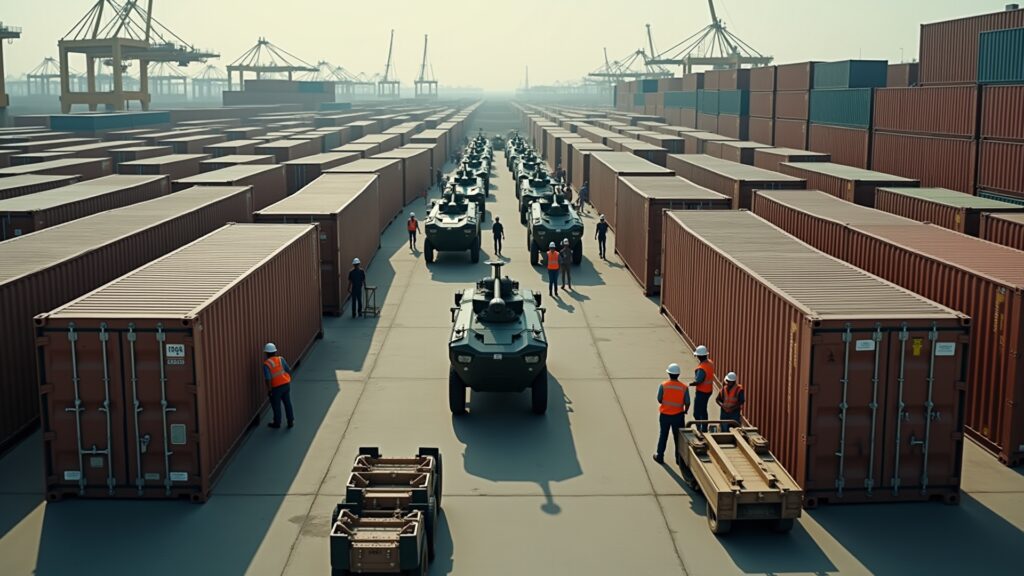
This guide empowers you to navigate the complexities of scaling defence production in India for a global audience. As a CEO, understanding the nuances of international markets, regulatory environments, and technological advancements is crucial for your success. By leveraging India’s robust manufacturing capabilities and strategic partnerships, you can enhance your competitive edge and position your products in the global defence sector. Discover actionable strategies and insights tailored for leaders like you, aiming to make a significant impact on the world’s defence landscape.
Key Takeaways:
- Focus on innovation and technology to enhance the competitiveness of Indian defence products in global markets.
- Develop strong partnerships and collaborations with international firms to leverage expertise and supply chains.
- Adopt strategic marketing and branding efforts to position Indian defence products effectively on the world stage.
Types of Defence Production
Understanding the different categories of defence production is crucial for effective scaling and market positioning. In the defence sector, you can primarily classify production into five key types, each with unique implications for strategy and execution.
- Military Equipment and Supplies
- Ammunition and Explosives
- Defense Electronics
- Software and Cybersecurity Solutions
- Research and Development Services
After identifying these types, aligning your capabilities with market demands will enhance your global competitiveness.
| Type |
Description |
| Military Equipment and Supplies |
Includes vehicles, aircraft, and weapon systems. |
| Ammunition and Explosives |
Production of munitions for various platforms. |
| Defense Electronics |
Involves systems and components for arms. |
| Software and Cybersecurity Solutions |
Covers defense-related software applications and security measures. |
| Research and Development Services |
Focuses on innovations for future defense tech. |
Manufacturing Models
Your choice of manufacturing model significantly impacts your efficiency and scalability. From traditional assembly lines to agile production systems, each model presents unique benefits. Adopting modular designs allows for rapid adaptability to changing demands, while collaboration with private enterprises enables cost-effective production and innovation.
Technology Integration
Integrating advanced technologies into your production processes is key to success in global markets. The use of automation, artificial intelligence, and IoT can streamline operations, enhance quality, and reduce costs. By leveraging these technologies, you will improve your responsiveness and elevate your competitive edge.
Emphasizing technology integration not only boosts production efficiency but also empowers you to meet stringent global standards. For instance, implementing machine learning algorithms can predict equipment failures, minimizing downtime. Moreover, employing digital twins in your production processes allows you to test and optimize designs before physical implementation, fostering innovation. As you expand your operations, it’s vital to invest in research for next-generation technologies that align with your strategic goals and the evolving landscape of defence production.
Tips for Scaling Production
To successfully scale production for global markets, focus on optimizing your processes and understanding international standards. Implement lean manufacturing techniques to minimize waste and improve efficiency. Additionally, invest in technology to automate repetitive tasks and enhance quality control. Consider expanding your workforce strategically to meet increased demand without sacrificing product quality.
- Embrace automation to enhance efficiency.
- Utilize lean principles to optimize production flow.
- Regularly assess market trends and adjust capacity accordingly.
- Train your workforce for increased skill adaptability.
This approach ensures that you maintain a competitive edge while scaling operations.
Identifying Market Opportunities
Focus on conducting thorough market research to pinpoint emerging demands in global defense markets. Utilize data analytics to identify trends and potential gaps your products can fill. Engage with industry reports, attend international exhibitions, and collaborate with defense agencies to bolster your insights and ensure alignment with market needs.
Building Strategic Partnerships
Strategic partnerships play a vital role in scaling production effectively. Collaborating with established entities can provide access to new markets, technology, and expertise that may not be available internally. Form partnerships with local suppliers or global firms to share risks and resources while increasing your competitiveness. Joint ventures can also allow you to leverage relationships and market knowledge, accelerating your entry into foreign markets.
The benefits of strategic partnerships extend beyond merely sharing resources; they can provide innovative solutions to production challenges and enhance your capacity for customization. Pursue alliances with research institutions to stay ahead of technological advancements and ensure your products meet international standards. Engaging in open dialogues with other industry leaders fosters an environment of shared learning, which is imperative to keeping pace in a rapidly changing global landscape. This can drastically improve your capabilities and market positioning as you scale production.
Step-by-Step Process to Enter Global Markets
| Step |
Description |
| Market Research and Analysis |
Conduct thorough analysis of target markets to identify demand, competition, and entry barriers. |
| Regulatory Compliance and Standards |
Ensure adherence to international regulations and quality standards relevant to defense products. |
Market Research and Analysis
Thorough market research is fundamental to your entry strategy. Identify key players, analyze market needs, and assess competitive landscapes through data analysis and surveys. Utilize resources such as trade reports and industry forums to inform your strategy and capitalize on emerging opportunities.
Regulatory Compliance and Standards
Compliance with international regulations is vital for successful market entry. Understanding specific requirements for your products, such as ITAR in the U.S. or CE marking in Europe, helps avoid costly legal issues. Engaging with local legal advisors can streamline this process.
In addition to knowing what regulations apply, implementing quality management systems like ISO 9001 can enhance your reputation in foreign markets. Many countries have stringent export controls, requiring thorough documentation and potential licensing, which may differ by product. Staying informed about changes in international laws and standards is imperative for continued success in the global landscape.
Key Factors for Success
To excel in scaling defence production for global markets, you must focus on several key factors that impact your operations and reputation. These elements can significantly enhance your competitiveness and market reach:
- Innovation in design and technology
- Adherence to international standards
- Robust risk management strategies
- Strong government and industry partnerships
- Effective marketing and sale strategies
Perceiving these factors not only shapes your approach but also drives sustainable growth in the global defence sector.
Quality Control and Assurance
Your commitment to quality control and assurance establishes a strong foundation for credibility in international markets. Implement a rigorous quality management system, ensuring compliance with international standards such as ISO 9001 or AS9100. Regular audits and inspections create an environment of continuous improvement, necessary for maintaining customer trust and meeting global expectations.
Supply Chain Management
Efficient supply chain management is vital for timely deliveries and cost-effectiveness. Strive for a diversified supplier base that minimizes risks associated with disruptions. Engage in strategic partnerships with vendors to foster collaboration and innovation throughout the supply chain, enhancing responsiveness to market demands.
Developing a resilient supply chain requires you to adopt advanced technology for better visibility and control. Implementing tools like ERP systems allows for real-time tracking, enabling you to monitor inventory levels, forecast demand, and manage logistics effectively. Conduct thorough assessments of suppliers to ensure they meet your quality standards and are financially viable. By maintaining open communication channels with your supply chain partners, you foster collaboration and can swiftly address any issues that may arise, ensuring a seamless flow of materials and components to support your production needs.
Pros and Cons of Global Defence Production
| Pros |
Cons |
| Access to larger markets and diverse customer bases. |
Complex regulatory compliance and varying standards. |
| Opportunity for innovation through global collaboration. |
Increased competition from established international players. |
| Potential for higher profitability and revenue growth. |
Management of geopolitical risks impacting trade. |
| Scalability of production to meet global demands. |
Challenges in supply chain logistics across borders. |
| Development of strategic partnerships and alliances. |
Variability in currency exchange rates affecting pricing. |
Benefits of International Sales
Expanding into international markets allows you to tap into greater revenue opportunities, diversify your client base, and mitigate risks associated with dependence on domestic sales. Successful international sales increase brand visibility and can enhance your organization’s reputation as a key player in the global defence sector. For instance, Indian defence manufacturers like Hindustan Aeronautics Limited (HAL) have reported significant revenue boosts through exports, reinforcing the value of global outreach.
Challenges and Risks
Entering global defence markets presents several challenges, including navigating complex regulatory landscapes and understanding local market dynamics. You face heightened scrutiny on compliance and may encounter shifting political climates that influence trade agreements. Furthermore, building trust with foreign partners requires time and effective communication strategies.
In today’s interconnected world, geopolitical tensions can disrupt trade and complicate relationships with foreign governments. You may also struggle with currency fluctuations that impact pricing strategies and profit margins. Additionally, the necessity for rigorous compliance with international laws and standards may demand substantial resources and adaptation of business practices. Addressing these challenges proactively is crucial for minimizing risks and ensuring sustainable success in the global defence market.
Strategies for Competitive Advantage
Achieving a competitive advantage in global defence production requires a multifaceted approach that encompasses innovation, customer engagement, and strategic partnerships. You must continuously assess your strengths and weaknesses while leveraging local resources and expertise to outperform your competitors in diverse markets.
Innovation and R&D
Your investment in innovation and research and development (R&D) is vital for staying ahead in the rapidly evolving defence sector. By embracing advanced technologies, such as artificial intelligence and autonomous systems, you can create unique products that cater to the specific needs of clients worldwide, ultimately enhancing your market position.
Customer Engagement and Support
To thrive in the global defence landscape, your focus must extend beyond product features to include proactive customer engagement and comprehensive support services. By creating feedback loops and addressing client concerns timely, you establish strong relationships and foster loyalty that transcends contractual obligations.
Effective customer engagement involves not only understanding the immediate needs of your clients but also anticipating future requirements. Regular interaction through surveys, workshops, and tailored presentations can provide valuable insights into market trends. Furthermore, establishing dedicated support teams ensures that customers receive prompt assistance, thereby enhancing satisfaction and reinforcing their decision to partner with you in both current and future projects. Ultimately, these practices build lasting trust and differentiate your brand in a competitive arena.
Summing up
Following this, you have the tools and insights needed to elevate your defence production capabilities under the Make in India initiative. By leveraging strategic partnerships, fostering innovation, and understanding global market demands, you can effectively scale your operations and enhance competitiveness. Positioning your products for international markets will require adaptability and a commitment to quality, ensuring your offerings meet global standards. Embrace these strategies to not only benefit from local resources but also to emerge as a formidable player in the global defence landscape.
FAQ
Q: What are the primary objectives of the ‘Make in India to Sell to the World’ initiative in the defence sector?
A: The initiative aims to boost domestic manufacturing in defence, reduce dependency on imports, enhance self-reliance, and position India as a competitive player in global markets. It promotes innovation and collaborations between public-private sectors to elevate India’s defence industry to international standards.
Q: How can CEOs effectively scale defence production to meet international market demands?
A: CEOs should focus on market research to understand global trends, invest in advanced technologies, foster partnerships with foreign firms, and ensure compliance with international regulations. Building a skilled workforce and creating efficient supply chains is also crucial to meet varying demands in different markets.
Q: What role does government policy play in facilitating defence exports under this initiative?
A: Government policies are pivotal in providing incentives, simplifying export processes, and ensuring strategic trade agreements. Support through financial assistance, tax incentives, and creating an enabling regulatory framework significantly enhances the competitiveness of Indian defence products in the global market.