As a defence business leader, investor, or policymaker, you’re directly affected by shifts that redefine the contours of India’s defence manufacturing landscape. Solar Industries’ deliberate move into rockets and ammunition production is more than a corporate pivot — it’s a signal of the broader transformation that private enterprises are driving within a domain long dominated by public sector undertakings (PSUs) and established players.
Why This Development Should Matter to You
Your strategic decisions—whether on investment, partnerships, or policy advocacy—must account for the evolving structure of India’s defence ecosystem. Solar Industries’ expansion reflects growing confidence in private-sector capabilities aligned with government priorities like Atmanirbhar Bharat and Make in India. These policies have progressively dismantled barriers to entry, inviting agile private manufacturers to innovate, scale, and compete globally.
This has implications for your business’s market positioning, technological roadmap, and supply chain strategy. Knowing how a key player like Solar Industries is leveraging its explosives expertise to enter complex product segments such as rockets and ammunition will help you anticipate shifts in procurement trends, export potential, and capability development.
What Is Happening: Solar Industries’ Strategic Expansion
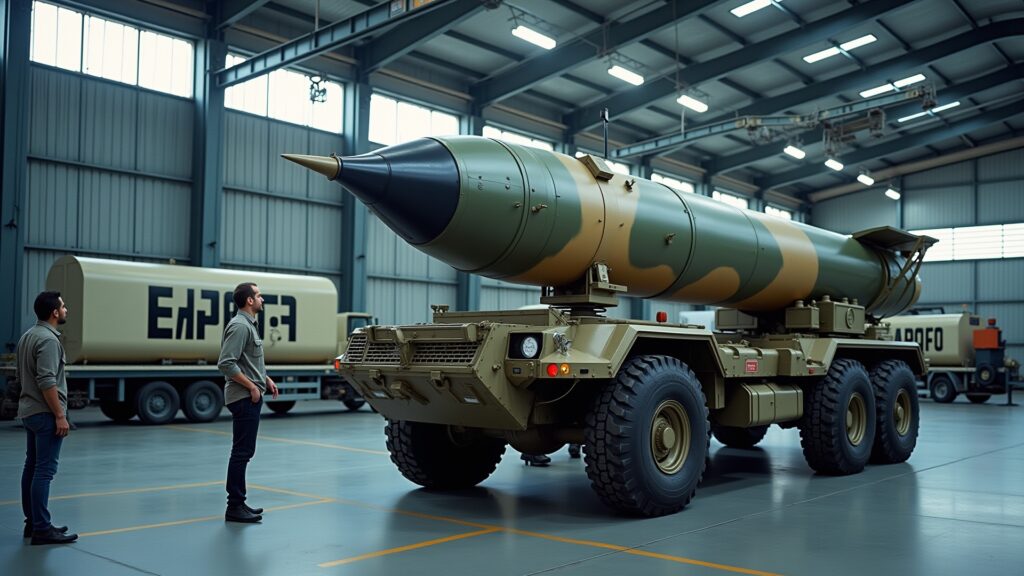
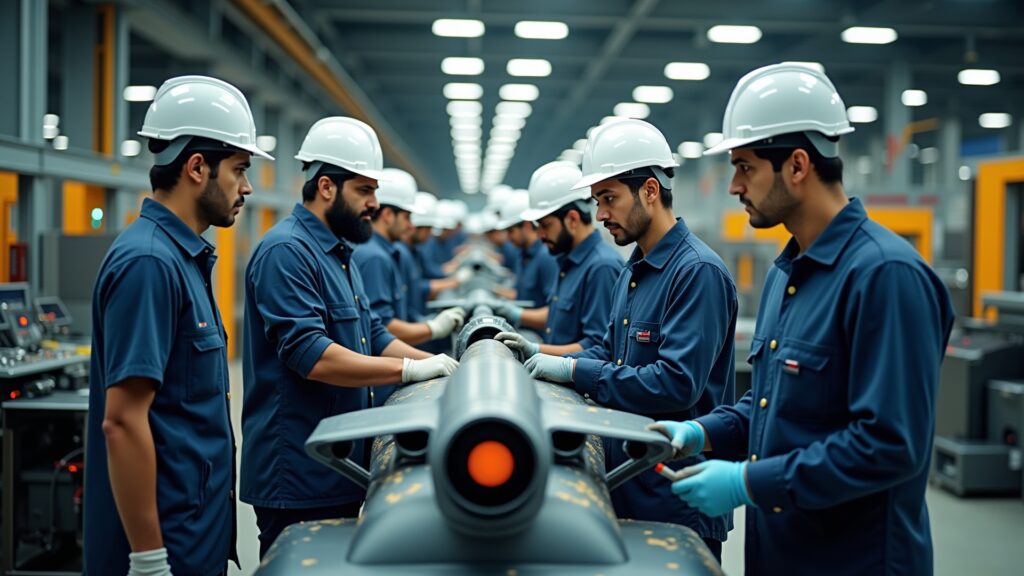
Solar Industries, traditionally known for its role in industrial explosives and chemical products, has now stepped decisively into defence manufacturing by targeting rockets and ammunition. This strategic diversification is not happenstance. It aligns with India’s imperatives to boost indigenous defence production, secure supply chains, and reduce import dependency.
The company’s core expertise in explosives offers a foundational advantage in developing propulsion and warhead technologies essential for rocket systems—a technology-intensive segment critical to India’s military readiness and strategic deterrence.
Strategic Industry and Market Impact
You should recognize that private sector entry into ammunition and rocketry introduces competitive pressures that can accelerate innovation cycles and quality improvements, while potentially reducing costs. This can catalyze a paradigm shift from reliance on legacy manufacturers to a more diversified industrial base, enhancing supply chain resilience amid geopolitical uncertainty.
From a broader industry perspective, Solar Industries’ move can spur growth across the ecosystem by sub-contracting to and collaborating with MSMEs and technology startups—key stakeholders in the defence supply chain. More importantly, it may open avenues for India to strengthen its footprint in the global defence exports market with products that meet stringent international standards.
Deeper Insight: Aligning with National Policy and Capability Enhancement
India’s defence reforms are creating a fertile environment for private players—through streamlined licensing, offsets policies, and innovation support schemes like iDEX. You should see Solar Industries’ growth trajectory as a case study in how policy incentives translate into tangible capability enhancements and industrial scale-up.
“In defence, scale matters — but strategic self-reliance matters even more.” Solar Industries embodies this by integrating its manufacturing expertise with emerging defence needs, signaling a new industrial maturity.
This private-sector momentum is critical. It challenges legacy procurement structures, urging a shift towards capability-based acquisition strategies where technological sophistication and manufacturing readiness take precedence over established vendor status.
Practical Takeaways for Defence Leaders and Investors
- Monitor Technology Integration: Track how Solar Industries leverages its explosives know-how to develop propulsion and warhead tech, as this will influence product viability and competitive edge.
- Assess Supply Chain Impacts: Identify opportunities and risks emerging from a more diversified supplier base, particularly for MSMEs allied with larger manufacturers.
- Recalibrate Investment Focus: Consider prioritizing private-sector innovators that align with government defence modernization and export ambitions.
- Engage with Policy Evolutions: Stay informed on regulatory reforms enabling private defence manufacturing to optimize licensing and offsets benefits.
- Explore Export Potential: Evaluate defence exports as India’s domestic products, including rocket and ammunition systems, gain international certifications.
Expert Perspective
“The real edge is not only in buying capability, but in building the industrial depth to sustain it.”
“When procurement clarity, technological innovation, and manufacturing discipline align, defence growth becomes far more durable.”
Risks and Challenges to Consider
While this expansion is promising, you must weigh the execution risks—technology complexity, certification hurdles, and scale challenges can stall progress. Solar Industries must navigate these while maintaining quality and cost benchmarks to secure long-term contracts.
Additionally, increased private participation introduces competitive dynamics that could disrupt existing procurement and industrial relationships, necessitating careful stakeholder management across public and private sectors.
What You Should Watch Next
- The pace at which Solar Industries moves from pilot projects to serial production and how rapidly it achieves technological self-sufficiency in rockets and ammunition.
- Government policies evolving around private sector engagement, offsets utilization, and export facilitation that will directly benefit or restrict scaling efforts.
- Emergence of strategic partnerships or technology collaborations that may accelerate Solar’s innovation curve.
Conclusion: Navigating Growth in a Rapidly Evolving Defence Market
Solar Industries’ entry into rockets and ammunition production is a defining moment in India’s defence manufacturing narrative. This move not only exemplifies private sector-driven innovation but also aligns seamlessly with India’s strategic priorities of indigenisation, export readiness, and supply chain resilience.
For you, whether steering enterprises or investment portfolios in the defence and aerospace sectors, this development is a clarion call to adapt. It urges you to rethink partnership models, sharpen investment theses, and advocate for policies that support a broadened, competitive, and self-reliant defence industrial base.
“This development is a signal to recalibrate partnerships, investment focus, and policy advocacy to align with a more diversified and competitive defence manufacturing ecosystem.” By staying ahead of these shifts, you position your enterprise or portfolio to capitalize on the future landscape of Indian defence manufacturing.