As a defence industry leader, investor, or policymaker, you need to grasp why India’s aerospace and defence export growth is reshaping global supply chains and unlocking new avenues for business and strategic influence. The narrative is no longer one of dependency but of capability — a transformation that can fundamentally alter your portfolio, partnerships, and procurement strategies in this competitive market.
Why This Matters to You
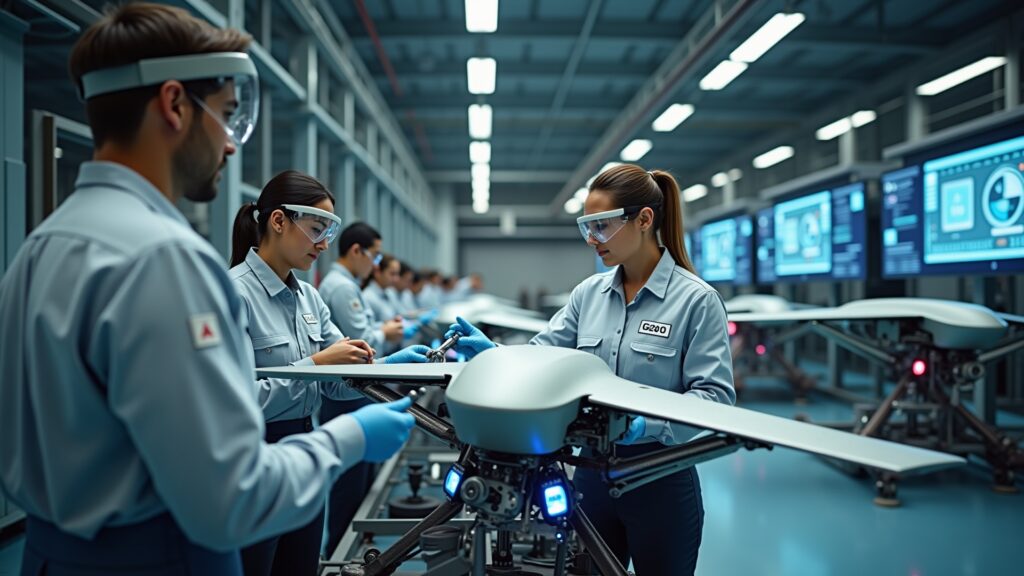
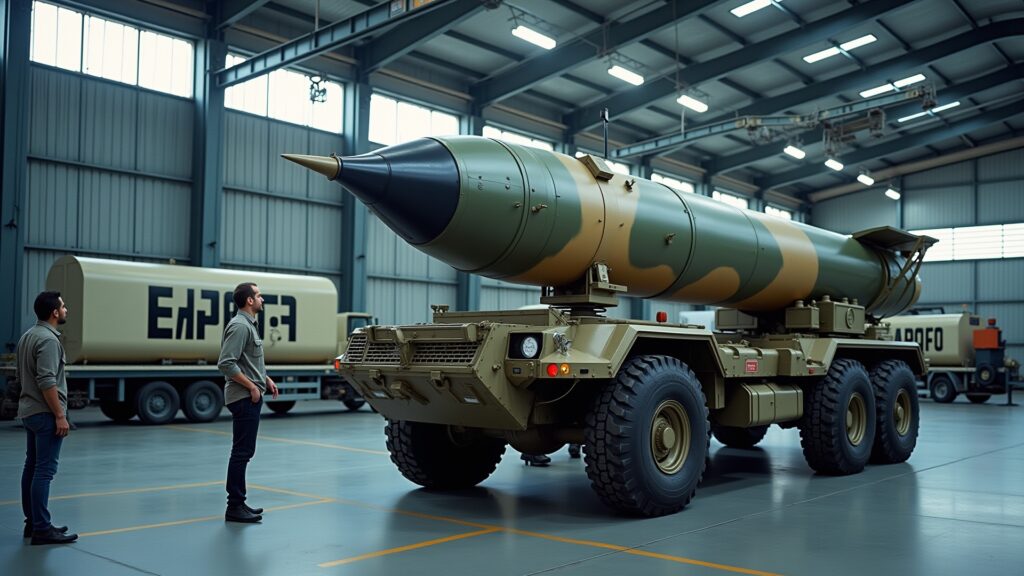
Your role in the aerospace and defence ecosystem hinges on anticipating where value and capability converge at scale. India’s shift from an import-dependent defence market to an export-driven powerhouse is not incidental; it signals a maturing industrial base with expanding technological competencies and a growing footprint in critical segments like aerospace components, unmanned systems, naval platforms, and digital defence solutions.
This evolution demands your attention because it impacts strategic sourcing, investment decisions, innovation pipelines, and global market access. Whether you are steering a private manufacturing firm, guiding a defence startup, or allocating capital within aerospace portfolios, understanding this transformation frames your competitive edge in a fast-evolving global landscape.
The Evolution: From Import Reliance to Strategic Self-Reliance
For decades, India’s defence sector operated under a heavy import regime — a factor that constrained strategic autonomy and exposed vulnerability in critical supply chains. However, thanks to a series of progressive policy reforms emphasizing Make in India and streamlined Defence Procurement Procedures, the sector is witnessing a systemic pivot. Domestic manufacturers are not just fulfilling rising indigenous demand; they are stepping into the global arena as credible exporters aligned with international quality standards and operational rigor.
Key Drivers Accelerating This Transition
- Policy Incentives and Reforms: Facile technology transfers, eased FDI regulations, and supportive export promotion policies have galvanized private-sector participation and foreign collaborations.
- Expansion of Industrial Ecosystem: MSMEs and startups are increasingly embedded in defence manufacturing ecosystems, driven by dedicated innovation initiatives like iDEX and specialised defence corridors.
- Global Market Forces: Heightened geopolitical uncertainties and rapid technological advances have amplified demand for indigenous, export-worthy aerospace and defence products — from cutting-edge avionics and unmanned aerial systems to robust naval platforms.
Strategic and Commercial Implications
This sectoral transformation transcends operational metrics to become a strategic lever enhancing India’s global influence. Bolstered export capability enables stronger defence diplomacy, while economies of scale in manufacturing reinforce sustained innovation investments. For you as an investor or business leader, this means an expanding high-technology opportunity base driven by capital flows, market diversification, and competitive differentiation.
For domestic manufacturers and startups, export orientation opens international markets with the potential for scaling proprietary technology and deepening R&D expenditure. Policymakers must now focus on aligning procurement frameworks with export goals and facilitating technology upgrades to maintain momentum. Supply chain strategists see an evolving industrial landscape with shifting dependencies requiring localized and resilient models.
“In defence, scale matters — but strategic self-reliance matters even more.”
“The real edge is not only in buying capability, but in building the industrial depth to sustain it.”
Deeper Strategic Insights
Your strategic focus should recognize that building a sustainable export powerhouse means embedding advanced technologies such as artificial intelligence, digital defence systems, and cybersecurity measures across manufacturing and product development cycles. The convergence of aerospace, naval, and unmanned technologies combined with quality and regulatory rigor will define India’s long-term positioning in a competitive global marketplace.
Private sector engagement and startup innovation, championed through frameworks like iDEX, will continue to push the frontier in next-generation systems. Meanwhile, fostering international partnerships and joint ventures remains critical to bridging technology gaps and accelerating market penetration.
Practical Takeaways for Industry Stakeholders
- Understand that India’s aerospace and defence export growth is a tangible, strategic shift bolstered by policy and industrial momentum.
- Monitor policy updates impacting Make in India, FDI norms, and defence procurement aligned with export promotion goals.
- Focus on integrating advanced technologies such as AI, autonomous systems, and cybersecurity into your product and process development.
- Encourage collaboration within the defence corridor ecosystem and innovation initiatives like iDEX to leverage emerging startup capabilities.
- Prioritize supply chain localization and resilience to mitigate risks amidst evolving global dynamics.
- Explore strategic partnerships for technology transfer and co-development as a pathway to faster market entry.
Expert Perspective
“When procurement clarity, technological innovation, and manufacturing discipline align, defence growth becomes far more durable.”
Risks and Challenges to Navigate
Your optimism must be tempered with a clear understanding of barriers such as stringent quality and certification standards in international markets, the complexity of supply chain integration, and the need for continuous skill development. Regulatory remain a significant variable; streamlined export compliance and protective intellectual property frameworks will be necessary to sustain competitive advantage.
Investment in advanced capability development requires patience and strategic long-term commitment, with an acute focus on managing programme risks and maintaining cost competitiveness.
What to Watch Next
Tracking India’s policy evolution on defence exports, the emergence of new aerospace manufacturing clusters, and startup ecosystem growth will give you early insights into shifting competitive dynamics. Pay attention to developments in AI-driven defence systems, naval shipbuilding projects, and cross-border joint ventures that could redefine global sourcing and market footprints.
Conclusion
India’s aerospace and defence export growth is not just a sectoral milestone — it is a cornerstone for strategic self-reliance, economic expansion, and geopolitical leverage. For you, navigating this dynamic environment means capitalizing on emerging opportunities, integrating advanced technologies, and aligning with scalable manufacturing ecosystems. The landscape is evolving rapidly, offering ample scope for innovation, investment, and leadership as India solidifies its role as a trusted global supplier in aerospace and defence.