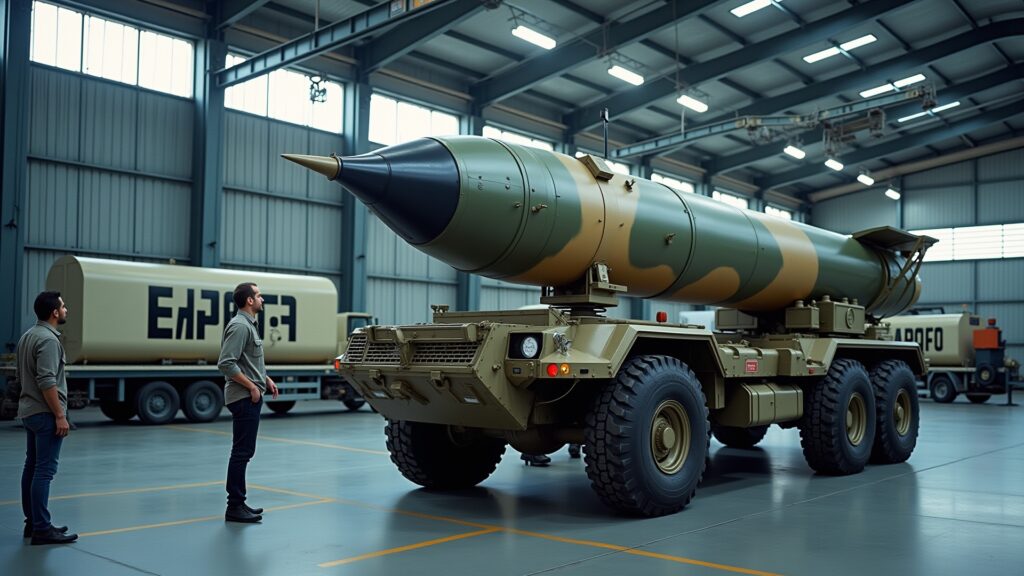
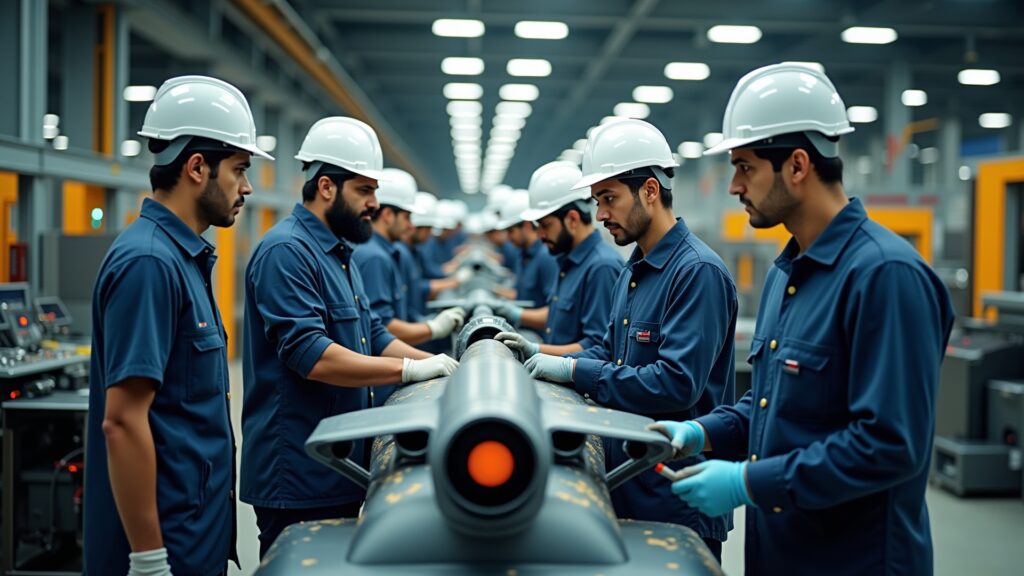
You are standing at a strategic crossroads in the Indian defence sector. India’s defence manufacturing reaching the $19 billion production milestone is far more than a headline—it is a transformative moment for your defence business, investment strategy, and operational priorities. This milestone crystallizes years of policy emphasis on indigenisation and presents both tangible opportunities and fresh challenges for manufacturers, exporters, and defence innovators within and beyond India’s borders.
Why This $19 Billion Milestone Matters to You
For you—whether a CEO, investor, policymaker, or supply chain leader—this figure signals a competitive shift. It means the Indian defence ecosystem is scaling in industrial maturity and global relevance. Your decisions now must recognize a transition from dependency on imports to a more autonomous and export-ready industry. If your business model or portfolio is connected to defence technology, aerospace, naval platforms, or advanced manufacturing, this is a pivotal moment to recalibrate strategies, deepen partnerships, and focus on innovation backed by evolving government policies.
What Is Happening Behind the Numbers
The journey to $19 billion production value has been powered by a sustained government push under the Atmanirbhar Bharat mission emphasizing self-reliance. This push has galvanized both the traditionally dominant public sector undertakings and an increasingly influential private defence manufacturing base, which brings agility and cutting-edge technological adoption to the table.
The ecosystem has witnessed supply chains strengthening with mature local sourcing and streamlined production cycles, enabling better delivery timelines and reducing geopolitical uncertainties linked to foreign dependencies.
Key Business and Strategic Impacts
- Indigenisation and Manufacturing Depth: The milestone reflects a significant leap in indigenous design and production capabilities across aerospace, naval, and land systems, curtailing reliance on imports and fostering industrial autonomy.
- Private Sector Empowerment: Private defence enterprises now complement public sector giants, infusing innovation, operational flexibility, and advanced manufacturing techniques that enhance competitiveness and quality.
- Supply Chain Resilience: Localised supply chains have evolved into robust networks, enhancing continuity, reducing risks, and enabling faster, more predictable production timelines.
- Export Growth and Market Access: Certification of Indian defence products is paving the way for wider export footprints, supported by export-friendly policies and government-to-government defence agreements.
Strategic Analysis: What This Means for the Industry
“In defence, scale matters — but strategic self-reliance matters even more.” This milestone is a testament to that truth. For you steering any aspect of the defence industrial landscape, this is a call to align your innovation, investment, and partnership strategies with the long-term vision of technological sovereignty and competitive global positioning.
Policy reform has been a critical enabler—streamlining procurement frameworks, incentivising technology transfers, and encouraging private sector involvement. But sustaining this momentum requires more than policy; it demands a mature ecosystem that bridges research & development with commercialisation and global market penetration.
Supply chains present both an opportunity and a caution. While localisation and resilience are improving, you must continually assess risk management and digital integration within supply networks. Effective coordination across suppliers, MSMEs, startups, and larger manufacturers will define who capitalizes effectively on unfolding opportunities.
Actionable Takeaways for Defence Leaders and Investors
- Understand the New Industrial Landscape: Recognize the shifting balance between public and private sector capabilities, and identify where your organisation can add unique value.
- Monitor Policy and Procurement Evolution: Stay informed on reforms that impact your supply chain, technology acquisition, and export facilitation strategies.
- Invest in Technology and Innovation: Prioritize technology development in areas like aerospace avionics, naval platforms, and defence digital systems through partnerships or direct R&D.
- Capitalize on Export Potential: Leverage certification advancements and government support to expand into new global defence markets.
- Strengthen Supply Chain Resilience: Embrace digital tools and risk management frameworks to navigate geopolitical uncertainties and ensure production continuity.
- Engage with Startups and iDEX Ecosystem: Tap into the innovation pipeline by collaborating with emerging defence tech startups and innovation initiatives linked to strategic capability development.
Expert Perspectives
“The real edge is not only in buying capability, but in building the industrial depth to sustain it.”
“When procurement clarity, technological innovation, and manufacturing discipline align, defence growth becomes far more durable.”
Potential Risks and Challenges Ahead
While the $19 billion milestone is impressive, it also highlights areas requiring vigilance. Overreliance on legacy systems or slow adoption of cutting-edge technologies such as autonomous systems and cybersecurity frameworks could undermine future competitiveness. Supply chain bottlenecks or geopolitical tensions could disrupt emerging export flows and domestic deliveries.
Moreover, aligning defence startups and MSMEs to scale efficiently demands constant policy support and capital flow. You must remain alert to these dynamics and sensitive to shifts that could impact your operational resilience and strategic positioning.
What You Should Watch Next
Look closely at upcoming government procurement policies and export facilitation initiatives, especially those that encourage technology transfer and private sector integration. Innovations in drone and autonomous platforms, naval shipbuilding projects, and advanced avionics will also be critical bellwethers signalling where the $19 billion industry heads in capability sophistication.
Global defence trade patterns and India’s role on that stage will evolve quickly. Positioning your business to tap into emerging bilateral defence deals and export corridors is essential to capitalizing on this momentum.
Conclusion: Harnessing the Momentum of a $19 Billion Defence Ecosystem
Crossing the $19 billion threshold in India’s defence production isn’t just a numeric achievement—it is a strategic pivot for your industry’s future. It reflects India’s commitment to indigenisation, industrial growth, and export competitiveness, which you must incorporate into your strategic planning and operational priorities.
By focusing on innovation, supply chain resilience, policy alignment, and global market engagement, you can transform this milestone from a benchmark into a launching pad. Ultimately, harnessing this momentum will determine how effectively India consolidates its position as a global defence manufacturing powerhouse—shaping the future of security technology worldwide.