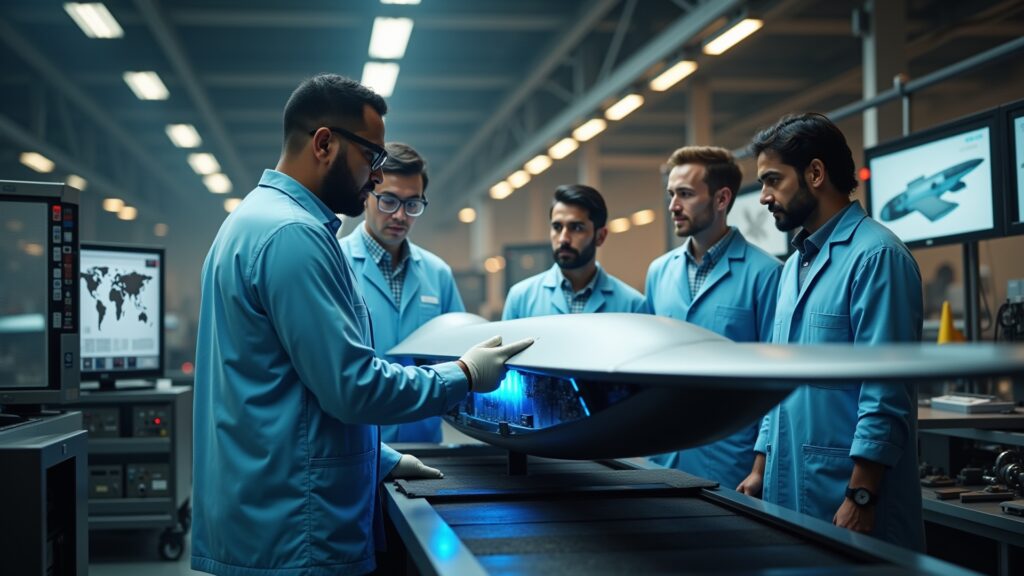
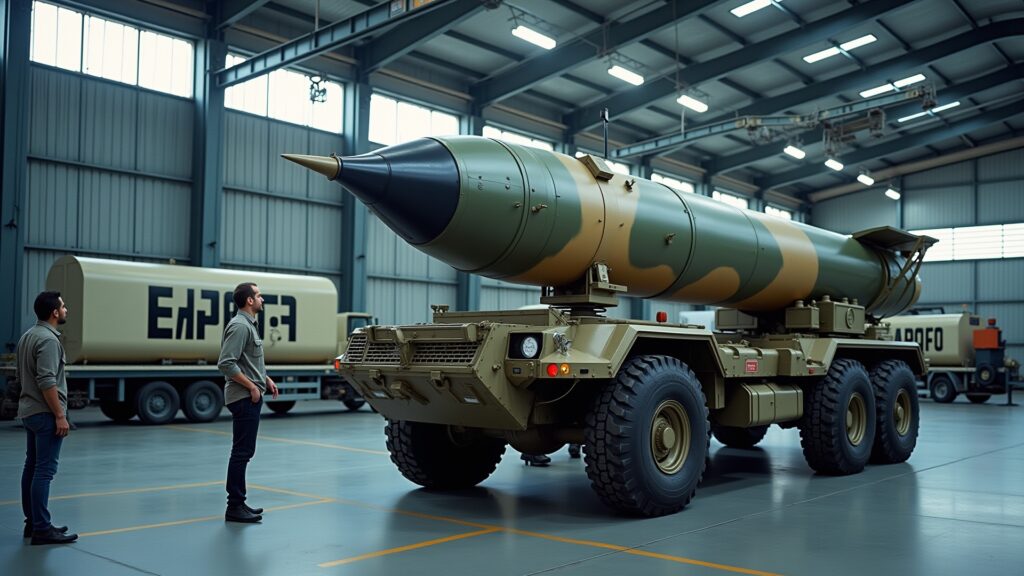
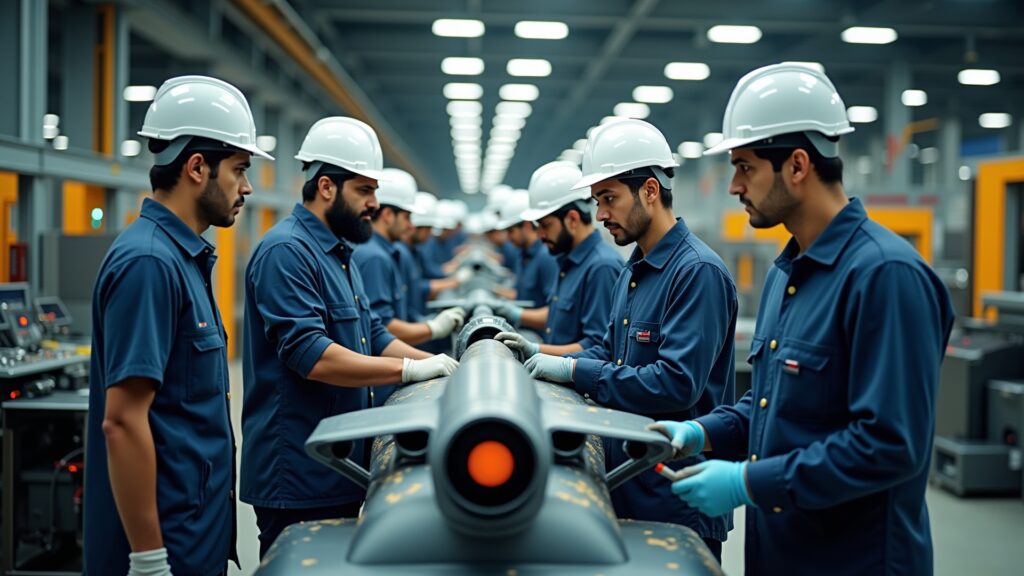
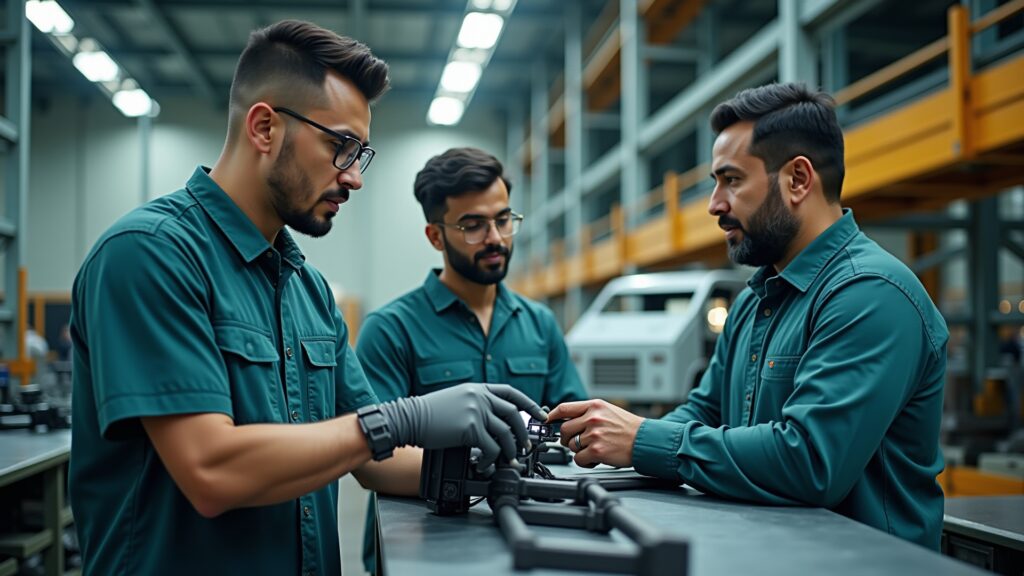
You are navigating an increasingly complex defence landscape where strategic partnerships and industrial capabilities are paramount to long-term success. The evolving India-US reciprocal defence negotiations are not mere diplomatic exchanges; they represent a transformative framework that directly impacts your defence manufacturing strategy, procurement decisions, and investment outlook. This deepening collaboration holds the key to accelerating India’s journey toward strategic autonomy while opening new corridors for industrial innovation and global competitiveness.
Why This Matters to You
As a defence business leader, policymaker, investor, or technology innovator, the trajectory of these negotiations informs your next move in the sector. You rely on clarity in procurement rules, fresh technology inflows, and robust partnerships to scale manufacturing and exports. India’s ability to leverage reciprocal agreements with the US reshapes the playing field — it enhances your access to advanced technologies, promotes indigenous capability building, and amplifies India’s defence ecosystem presence globally. This is your chance to align with growing opportunities driven by policy reforms and enhanced bilateral cooperation.
What Is Happening: The Essentials of India-US Reciprocal Defence Negotiations
The ongoing reciprocal defence negotiations between India and the United States establish a structured cooperation platform for technology sharing, joint manufacturing ventures, and aligned procurement policies. This relationship transcends traditional buyer-seller dynamics, placing emphasis on co-development, supply chain integration, and industry collaboration. Your operations in aerospace, naval, and military tech sectors stand to benefit from streamlined licensing, relaxed technology transfer restrictions, and enhanced cooperation mechanisms.
Strategic Autonomy Through Collaborative Industrial Growth
Strengthening India’s strategic autonomy means you can develop, produce, and sustain advanced military capabilities independently. These negotiations foster an environment where Indian firms — from startups to established manufacturers — gain easier access to US-origin technologies and engage in joint ventures. This collaborative industrial growth ensures you can bridge critical capability gaps without forfeiting sovereign control over defence technologies.
“In defence, scale matters — but strategic self-reliance matters even more.”
Impact on Defence Manufacturing and Exports
The defence manufacturing sector is poised for a leap. Aligning procurement strategies with reciprocal agreements incentivizes indigenisation while attracting private sector participation and investment. For your manufacturing operations, access to cutting-edge US technology inputs means enhanced quality standards and a competitive edge in export markets. This synergy supports India’s ambitions to become a major global defence exporter by driving supply chain resilience and fostering innovation hubs like iDEX.
Procurement and Supply Chain Resilience
Reciprocal agreements promise a more transparent and efficient procurement process with streamlined licensing and offset policies. For supply chain leaders like you, this paves the way for diversified sources and co-development programs that reduce dependency on any single country or supplier. This increase in supply chain resilience is critical in securing timely availability of components and system sustainability.
Strategic Analysis: Navigating the Evolving Defence Business Environment
The India-US reciprocal defence framework is a strategic pivot point, catalyzing a shift from import reliance towards an ecosystem where innovation, indigenisation, and international cooperation coalesce. Your investment decisions, production strategy, and technology partnerships should consider these dynamic geopolitical and industrial realities. Embracing this dialog means positioning your business not merely as a participant but as a principal driver in creating a resilient, advanced defence manufacturing base.
“The real edge is not only in buying capability, but in building the industrial depth to sustain it.”
Practical Takeaways for Defence Leaders and Stakeholders
- Understand the nuances of reciprocal agreements: Follow negotiation outcomes closely to anticipate changes in technology transfer policies and procurement processes.
- Leverage joint manufacturing opportunities: Explore partnerships with US firms to integrate advanced technologies and expand your product portfolio.
- Invest in innovation ecosystems: Engage with platforms like iDEX to harness startup agility and accelerate capability development.
- Focus on supply chain diversification: Mitigate risks by developing multi-source supply channels within India and through international cooperation.
- Monitor policy continuity: Advocate for stable regulatory frameworks favoring export promotion and private-sector participation.
Expert Perspective
“When procurement clarity, technological innovation, and manufacturing discipline align, defence growth becomes far more durable.”
This alignment is essential as you seek to balance immediate acquisition needs with longer-term industrial capability goals.
Risks and Challenges: Cautionary Notes
Despite the optimism, several caveats remain. Technology transfer can be slowed by geopolitical shifts, compliance complexities, or intellectual property issues. Over-reliance on foreign technology partnerships without commensurate domestic technological development risks dependency. You must also navigate policy uncertainties and ensure that private sector incentives persist beyond political cycles. Managing these factors will be crucial to realizing the full potential of reciprocal defence cooperation.
What You Should Watch Next
Keep a close eye on negotiation milestones, policy announcements around defence exports, and changes in licensing regulations. Monitor how private sector clusters engage with US firms, and track startup involvement in joint projects. Additionally, assess how developments in aerospace, naval platforms, and cyber defence reflect deeper integration between India and US defence ecosystems.
Conclusion
India-US reciprocal defence negotiations herald a new era in strategic autonomy and industrial growth. For you, this means a more open, collaborative, and innovation-driven defence manufacturing environment, fortified by global technology partnerships. By capitalizing on these evolving agreements, you can help shape a defence sector that is not only self-reliant but competitively embedded in the global marketplace. Understanding and acting on these dynamics will determine your leadership and impact in an increasingly interconnected defence industry.