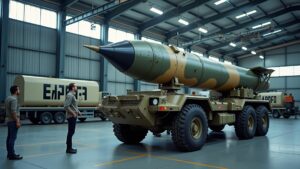
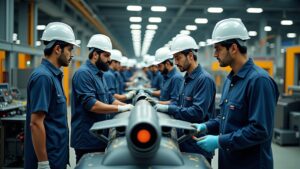
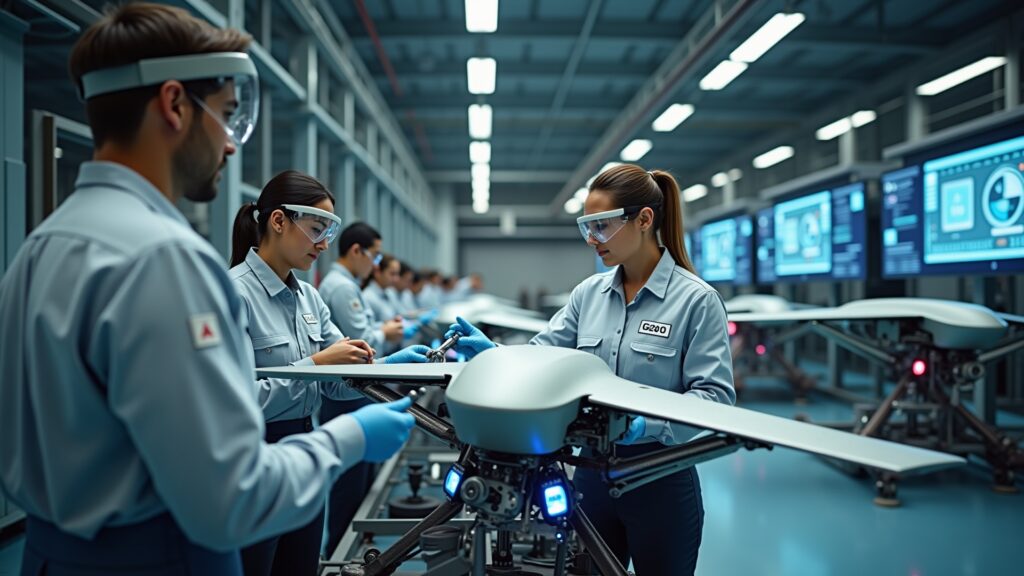
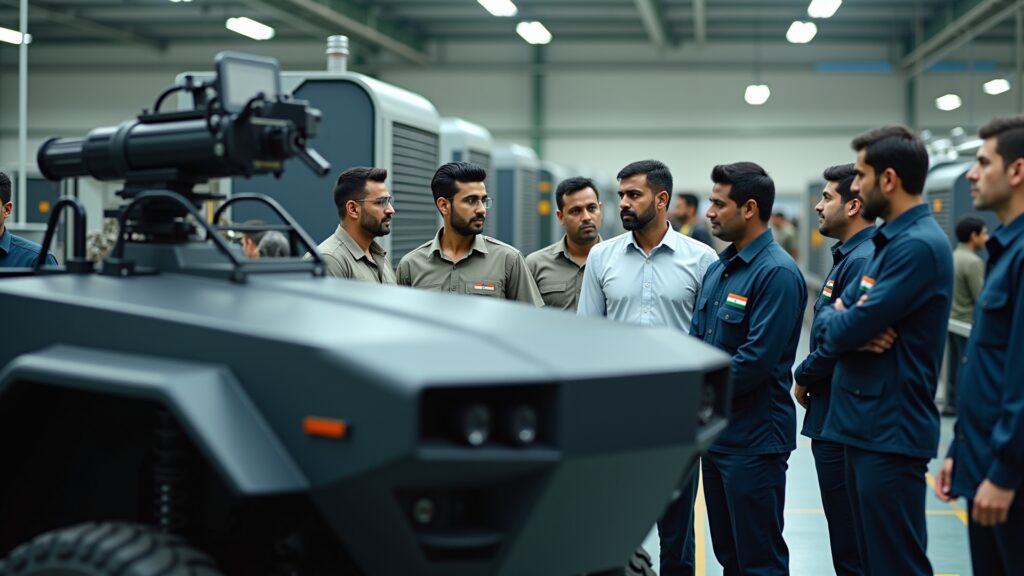
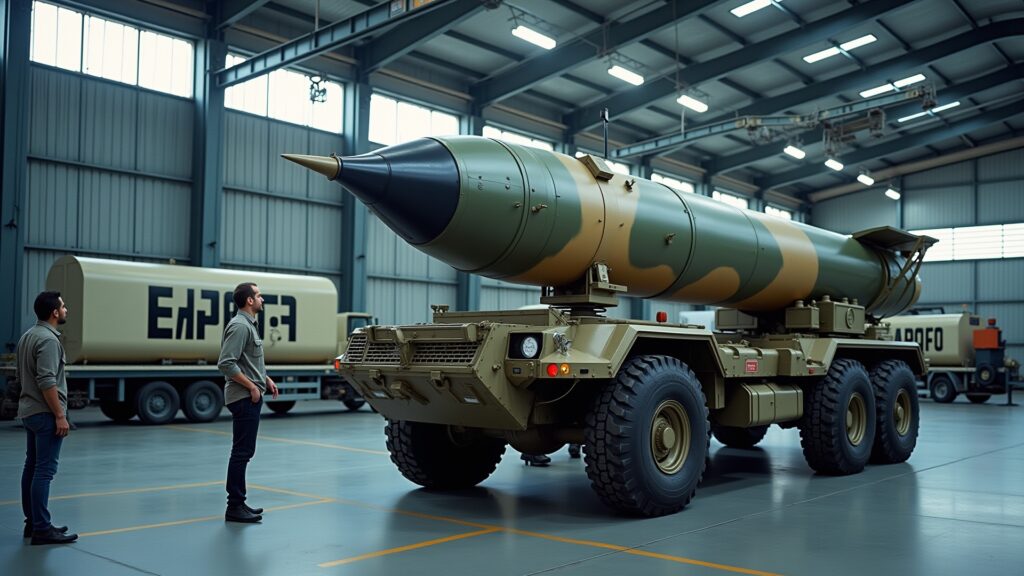
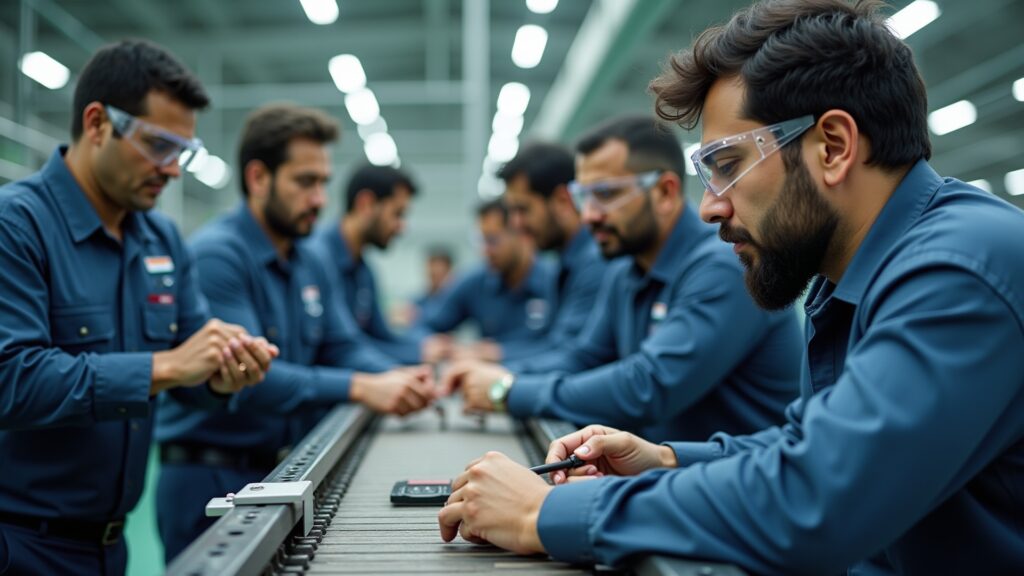
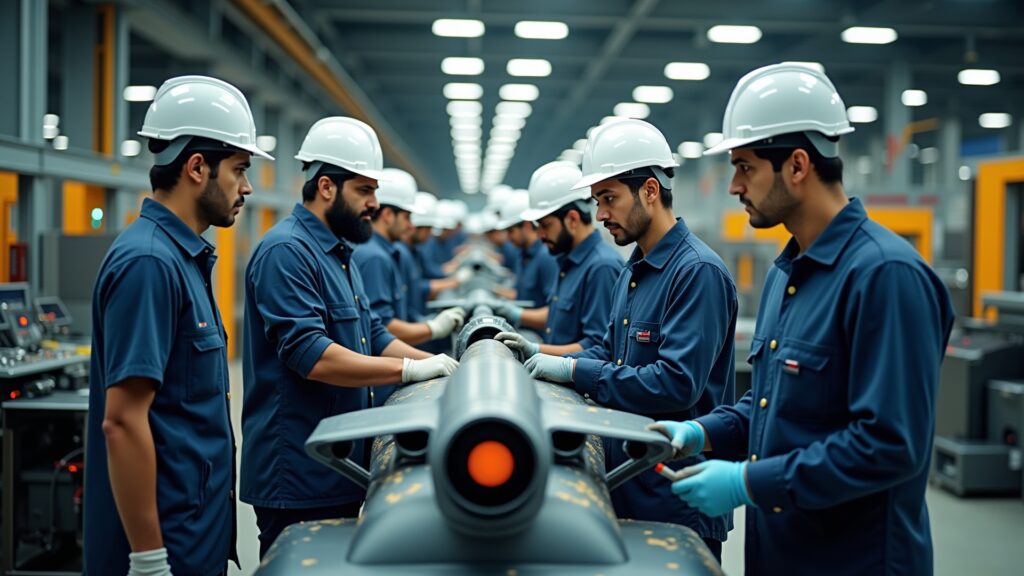
As a leader, investor, or innovator in the defence sector, you are witnessing an unprecedented convergence of rising geopolitical tensions and a robust national push for indigenisation reshaping India’s defence industry. This structural shift is not just an incremental change — it’s accelerating an entire growth cycle that will redefine your strategic priorities, market opportunities, and competitive landscape.
Why This Matters to You
Understanding the interplay between geopolitics and indigenisation is crucial if you want to position yourself ahead in India’s defence ecosystem. Whether you head a defence manufacturing firm, lead procurement decisions, or steer investments in aerospace, naval, or digital technologies, these developments signal a transformative phase. For you, this means re-evaluating supply chain strategies, investing in innovation, and aligning with policy reforms that prioritize domestic capacity and export competitiveness.
What Is Happening in India’s Defence Sector?
The backdrop is a complex global environment marked by intensified regional rivalries and shifting security alliances. These geopolitical pressures are compelling India to accelerate its drive towards self-reliance in defence capabilities, drastically reducing dependence on imports and foreign suppliers. Government initiatives are empowering the private sector by easing technology transfer, boosting the Make in India framework, and increasing budget allocations to enhance domestic production capacities.
Simultaneously, this structural growth cycle is expanding beyond traditional state-owned entities, integrating private manufacturers and startups developing cutting-edge technologies. Areas like unmanned systems, cybersecurity solutions, AI-enabled defence applications, and advanced naval platforms are gaining considerable focus. The urgency to build resilient, localised supply chains has never been greater.
Key Business and Market Impact
This evolution directly affects your business strategy and operational model. Defence manufacturers need to scale rapidly, integrating automation and digitalisation to match global quality and efficiency standards. Investors have fertile ground for capital deployment in emerging defence tech niches, including drones and AI-enabled platforms.
Moreover, the export landscape is becoming more prominent as India leverages cost advantages and growing indigenous technical expertise to position itself as a credible global defence supplier. The expanding role of the private sector and innovation frameworks such as iDEX further fortify this ecosystem, supporting startups that bring specialised capabilities to the table.
“In defence, scale matters — but strategic self-reliance matters even more.”
Strategic Insight: The Broader Implications for Industry Leaders
Strategically, you must see this growth cycle as more than just a procurement or production challenge. It’s a systemic transformation demanding collaboration between government, industry, and innovators. Your ability to navigate supply chain vulnerabilities, streamline approvals, and embed advanced technologies will determine long-term competitiveness.
The rising geopolitical urgency reinforces the need for a self-sufficient defence industrial base that can sustain capability development, reduce operational dependencies, and respond dynamically to evolving threats. This is your call to foster innovation ecosystems that link startups with seasoned manufacturers and create scalable, export-ready products.
“The real edge is not only in buying capability, but in building the industrial depth to sustain it.”
Practical Takeaways: What You Need to Act On
- Prioritize indigenisation with a focus on supply chain localisation to mitigate external risks.
- Invest in digitalisation and automation to enhance production efficiency and quality standards.
- Engage with innovation platforms like iDEX to leverage startup technologies in AI, cybersecurity, and unmanned systems.
- Align closely with government policies around Make in India and export promotion to maximize growth opportunities.
- Monitor geopolitical developments for their direct impact on procurement priorities and defence exports.
- Drive partnerships and technology transfer deals that deepen domestic capability and innovation pipelines.
Challenges and Risks to Consider
While the sector is on a high-growth trajectory, you should be alert to persistent challenges. Supply chain vulnerabilities remain a critical bottleneck — delays and dependencies can disrupt momentum. Regulatory complexities and protracted clearance processes demand continued reform and proactive collaboration. Furthermore, the pace of technology adoption and scale-up needs to match strategic ambitions; failure to bridge this gap could limit India’s global competitiveness.
What You Should Watch Next
Keep an eye on how government policies evolve regarding procurement reforms, export incentives, and private sector engagement. The trajectory of India’s defence budget and allocation patterns will signal where innovation and manufacturing priorities will firm up. Also watch emerging startup trends around AI, digital defence, and unmanned platforms as they rapidly become key competitive differentiators.
“When procurement clarity, technological innovation, and manufacturing discipline align, defence growth becomes far more durable.”
Conclusion
The India defence sector growth driven by rising geopolitics and indigenisation is ushering in a structural, long-term transformation of the industry. If you want to stay competitive and capitalize on this momentum, you must integrate strategic foresight, operational excellence, and innovation agility into your business and investment decisions. This is your moment to lead India’s defence industry into a resilient, export-oriented future.