The commissioning of INS Aridhaman is more than just a naval event—it is a clear signal that India’s shipbuilding industry is entering a transformative phase, one that directly impacts your strategic decisions in defence manufacturing, investment, and policymaking. As a leader or stakeholder in the defence sector, you should view this development as a defining marker for the evolving dynamics of India’s maritime industrial landscape and its global aspirations.
Why INS Aridhaman’s Commissioning Matters to You
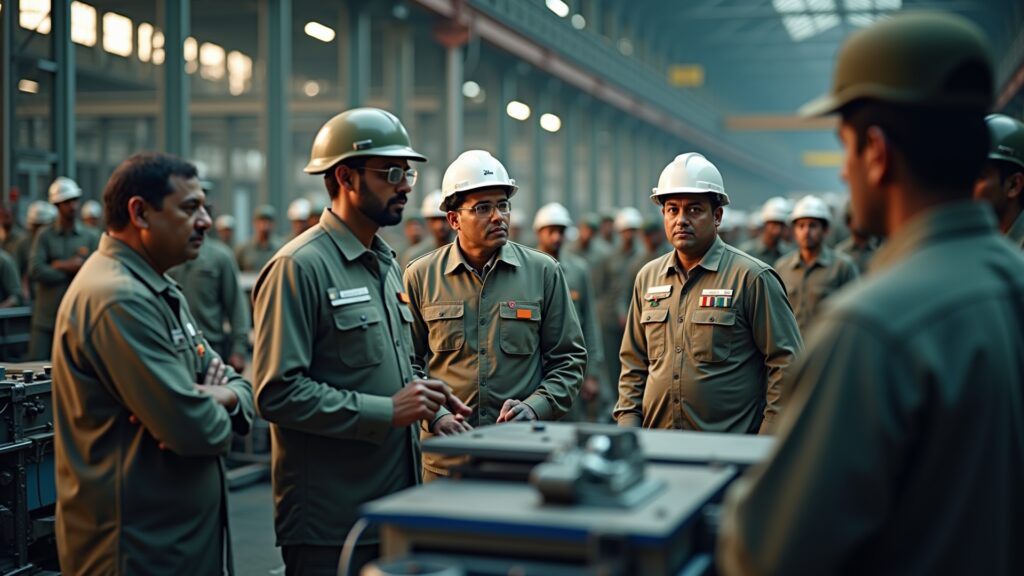
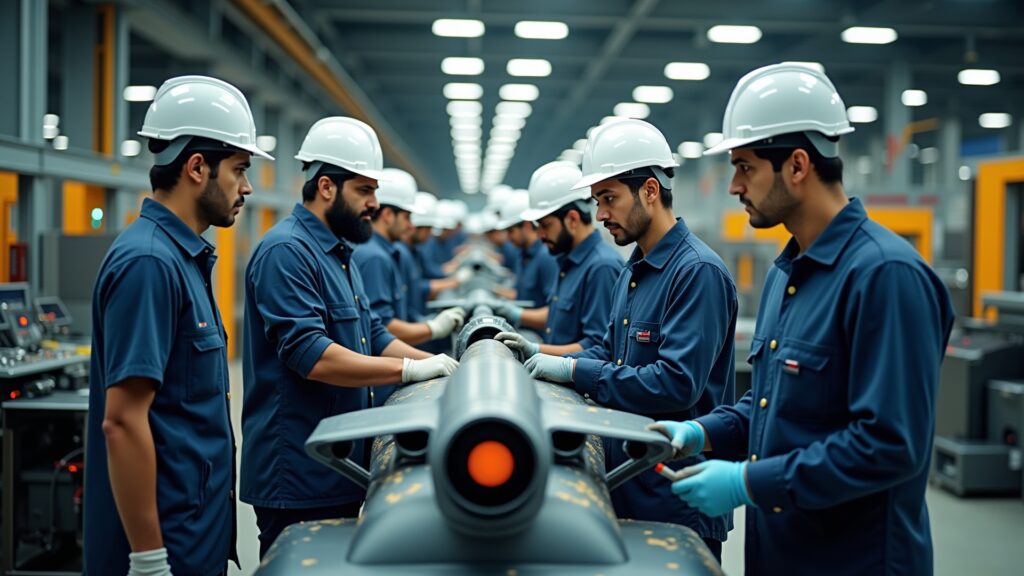
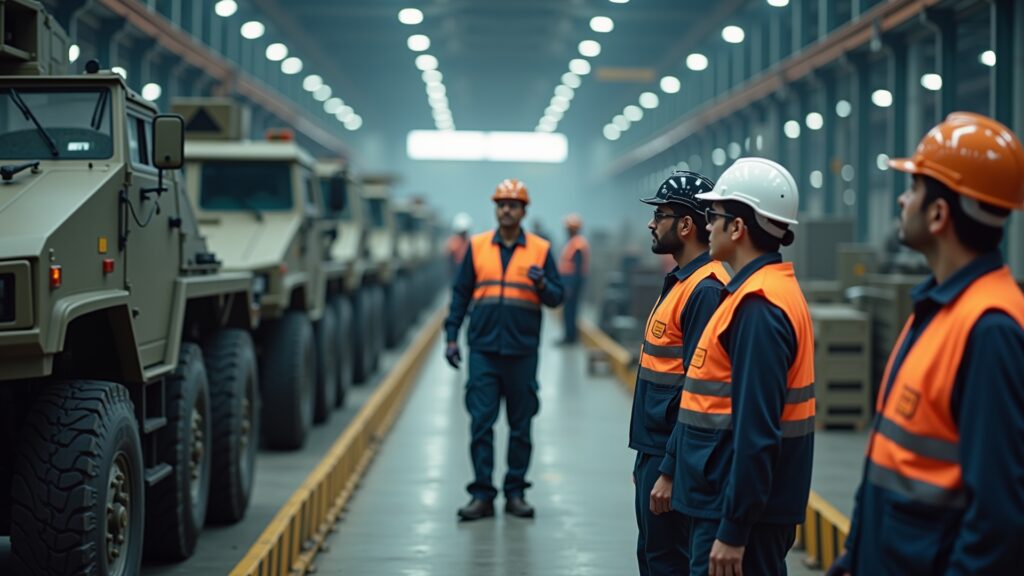
For anyone involved in the defence industry—from private manufacturers to investors and policy architects—the rise of India’s indigenous shipbuilding capabilities presents new avenues for growth and competition. You are witnessing a shift where private sector shipyards, once sidelined, are now at the forefront of delivering advanced naval platforms, challenging traditional public shipyards. This means new business models, innovation pathways, and supply chain paradigms are emerging, which could reshape how you engage with the maritime defence sector.
Understanding the Development: What is Happening with INS Aridhaman
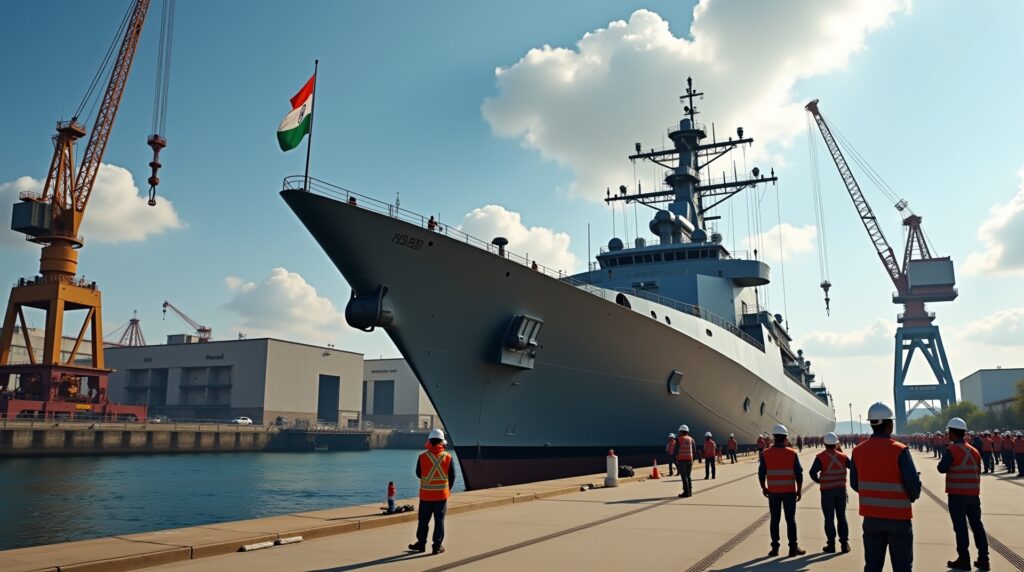
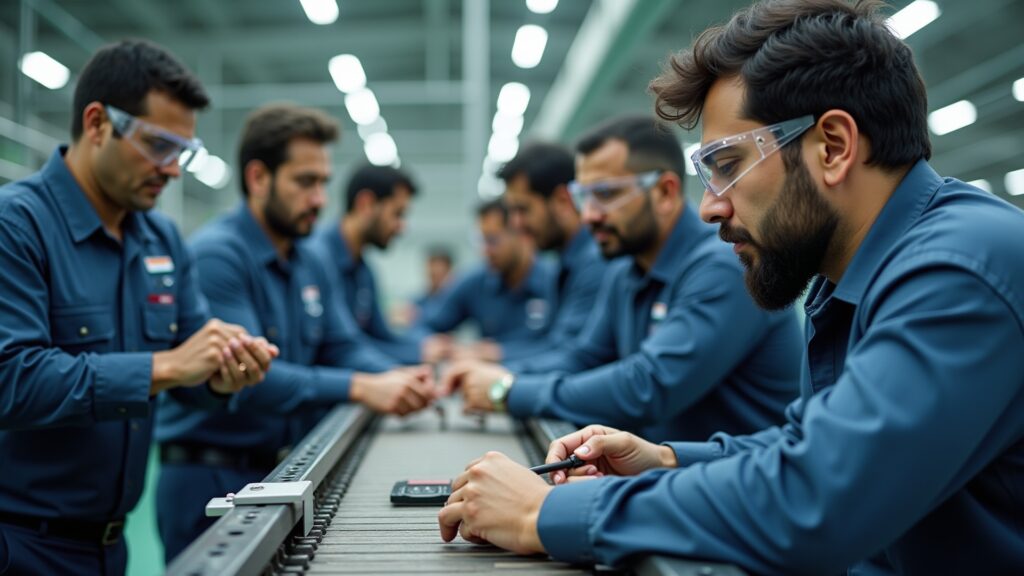
INS Aridhaman is an advanced anti-submarine warfare (ASW) stealth corvette, constructed by a private Indian shipyard. This platform embodies the successful integration of cutting-edge technology with India’s indigenisation efforts, demonstrating the country’s capacity to overcome global supply chain disruptions and geopolitical uncertainties. Behind this milestone is a robust ecosystem supported by skilled labor, innovative design, and government reforms fostering self-reliance.
Business and Market Impacts: A New Era in Defence Shipbuilding
- Private Sector Empowerment: The emergence of private yards like the one that built INS Aridhaman signals increased competition, driving quality improvements and cost efficiencies.
- Export Potential: Elevating India’s shipbuilding to global standards improves export competitiveness, creating opportunities for you to explore international markets.
- Technology Transfer and Partnerships: The collaborative environment induces better technology sharing, vital for scaling innovations and satisfying complex procurement demands.
- Policy Success: Reforms under initiatives like Atmanirbhar Bharat and Make in India streamline regulatory hurdles, fostering a healthy industrial ecosystem that benefits manufacturers, startups, and MSMEs alike.
Strategic Analysis: Beyond the Ship – What This Means for India’s Defence Ecosystem
“In defence, scale matters — but strategic self-reliance matters even more.” The commissioning of INS Aridhaman validates India’s approach towards building a defence industrial base that is not just dependent on imports but actively innovating domestically. This paves the way for more complex naval platforms and emerging technologies including unmanned underwater vehicles, digital integration of naval assets, and green propulsion systems.
This momentum underscores the critical need for you to monitor policies, invest in R&D, and nurture partnerships that leverage India’s growing indigenous capabilities. The balancing act between innovation, supply chain resilience, and cost competitiveness will define the durability of your defense ventures in the years ahead.
Practical Takeaways: What You Should Focus On
- Understand the implications of private sector participation in naval shipbuilding and align your business strategy to leverage emerging opportunities.
- Monitor government policy reforms that incentivize local manufacturing, especially those enhancing MSME and startup ecosystems within the defence sector.
- Invest in advanced maritime technologies including stealth, ASW, digital systems, and green propulsion to stay competitive.
- Explore export potential aggressively as India gains global credibility through successful platforms like INS Aridhaman.
- Enhance supply chain resilience by fostering local tiered suppliers and reducing dependence on volatile global sources.
Expert Perspectives
“The real edge is not only in buying capability, but in building the industrial depth to sustain it.”
“When procurement clarity, technological innovation, and manufacturing discipline align, defence growth becomes far more durable.”
Risks and Challenges You Must Consider
Your optimism should be tempered by awareness of ongoing challenges: global supply chain volatility, technology acquisition hurdles, and the scale required for private shipyards to compete on a global level. Ensuring skilled workforce development and maintaining momentum in policy reforms are also critical hurdles that can impact the pace and quality of shipbuilding advancements.
What to Watch Next in India’s Naval Shipbuilding
Keep an eye on the following trends and developments that will further shape India’s naval manufacturing sector and influence your strategic roadmap:
- Continued induction of advanced platforms beyond corvettes, such as frigates and destroyers built with cutting-edge technologies.
- Growth in unmanned and autonomous maritime systems integrated with networked digital platforms.
- Policy enhancements further facilitating private-sector participation and boosting export incentives.
- Collaborations and joint ventures with global defence technology players catalyzing technology transfer and innovation.
Conclusion: INS Aridhaman Commissioning and the Future of India’s Shipbuilding Industry
The commissioning of INS Aridhaman is a strategic beacon indicating that India’s shipbuilding industry is evolving into a formidable, self-reliant pillar of the defence industrial base. For you, whether as a defence business leader, manufacturer, or investor, this marks an era where domestic innovation, robust private-sector participation, and forward-thinking policies combine to create sustainable strategic advantage. Embrace this evolution to position yourself at the forefront of a new wave in defence manufacturing and global maritime competitiveness.