As a leader or stakeholder in the defence industry, you cannot afford to overlook the strategic momentum building between India and Italy in defence manufacturing and technology collaboration. This partnership is not just another diplomatic gesture—it shapes the trajectory of your business opportunities, investment strategies, and capability development in a rapidly evolving global defence ecosystem. Understanding how this alliance unlocks technology transfer, indigenisation, and market expansion will position you to capitalize on emerging trends and competitive advantages in defence exports and strategic manufacturing.
Why This Partnership Matters to You
Whether you helm a private defence manufacturing firm, lead supply chain operations, or navigate procurement strategies, the renewed commitment between India and Italy offers tangible pathways to scale and innovate. India’s Atmanirbhar Bharat initiative aggressively prioritizes self-reliance through domestic defence production, which aligns seamlessly with Italy’s advanced aerospace, naval, and land system manufacturing capabilities. For you, this means greater access to cutting-edge technology, cross-border collaborative R&D opportunities, and an expanded, resilient supply chain that can bridge gaps in indigenisation and export readiness.
Investors eyeing defence startups or high-growth sectors will find increased clarity and potential in markets buoyed by policy support and international partnerships. This evolving bilateral cooperation minimizes risks traditionally associated with fragmented supply chains and regulatory uncertainties while spotlighting India’s rising global role in defence exports—an essential factor for your strategic portfolio decisions.
What Is Happening: The Core Dynamics of the India-Italy Defence Industry Partnership
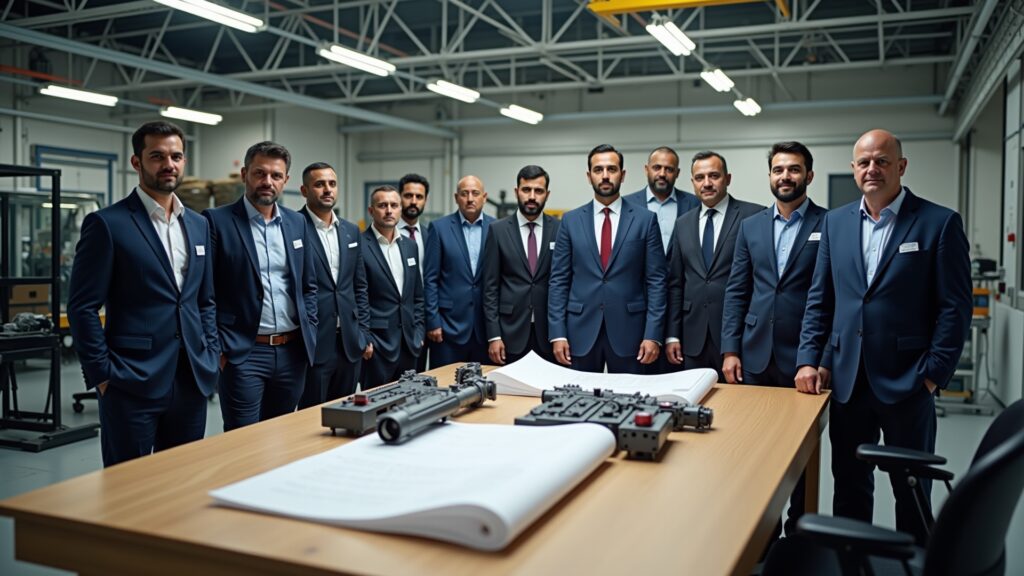
At recent high-level talks in Rome, India and Italy reaffirmed their mutual dedication to deepening defence manufacturing partnerships. This initiative focuses on leveraging complementary industrial strengths: India’s expanding manufacturing ecosystem and Italy’s mature, technology-rich defence sector. The dialogue emboldens collaboration in joint ventures, technology sharing, skill development programs, and co-development projects.
Italian companies specialized in aerospace, naval vessels, and land systems are actively exploring avenues to integrate with Indian defence supply chains, creating a fertile zone for innovation-driven manufacturing. Emphasis is being placed on technology absorption in areas such as avionics, unmanned systems, cybersecurity, and digital defence architectures—domains critical to contemporary and future warfare capabilities.
Strategic Impact Across Defence Business & Market
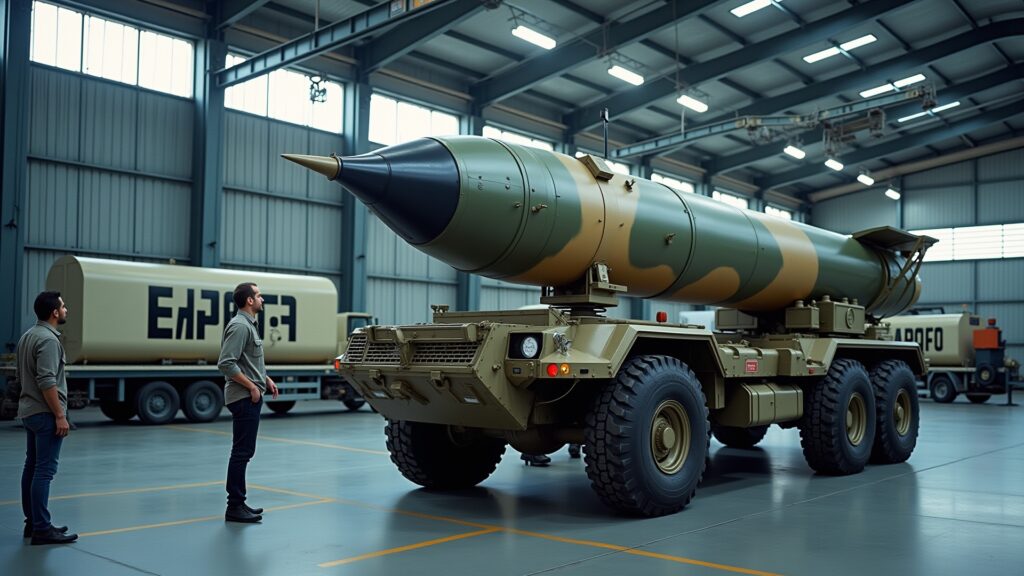
This partnership catalyzes a shift in India’s defence industrial landscape, advancing from import dependence toward strategic self-reliance and export leadership. Enhanced cooperation means Indian and Italian firms can co-develop products tailored not only to domestic needs but designed for global competitiveness. As a consequence, you can expect:
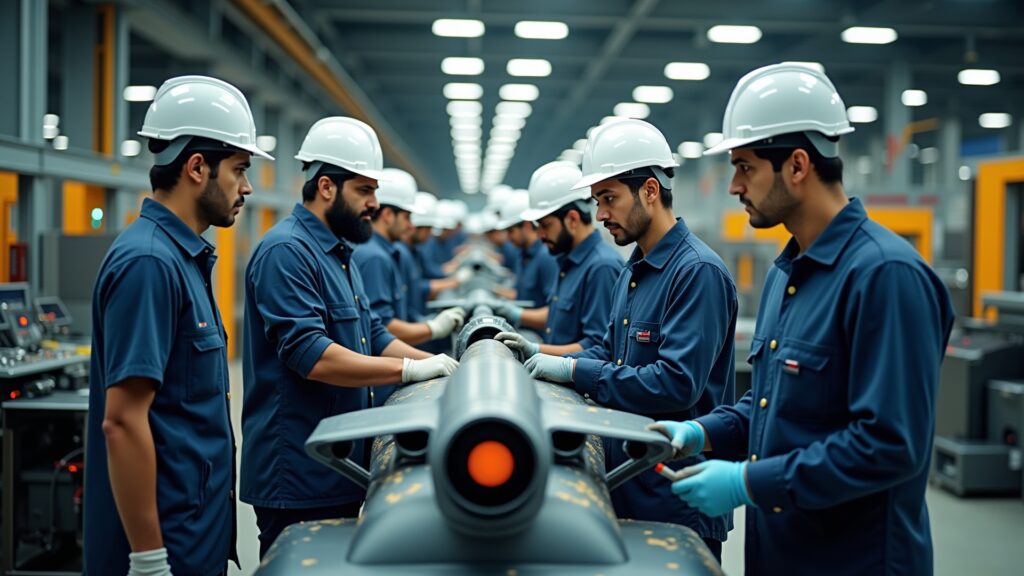
- Expanded manufacturing footprints in India with sustained technology transfer, elevating quality and production scales.
- Joint R&D initiatives accelerating the introduction of next-generation military hardware and sophisticated electronic systems.
- Improved supply chain resilience through diversified sourcing and cross-border partnerships, reducing bottlenecks.
- Greater export potential facilitated by bilateral agreements, streamlining regulatory and certification processes.
Strategic Analysis: What This Means for Long-Term Industry Positioning
The India-Italy defence axis is a textbook example of how strategic alignment can produce multiplier effects for your industrial ambitions. Your ability to integrate with this partnership not only depends on technological capability but also on adapting to emerging procurement reforms, policy incentives, and regulatory facilitation. Policymakers on both sides are key enablers, tasked with balancing intellectual property protection, ease of investment, and export-promoting frameworks.
Privately held manufacturers and startups should view this as a clarion call to intensify focus on areas such as drone technology, cybersecurity, and digital defence — sectors where innovation cycles are rapid and market demand robust. Meanwhile, established aerospace and naval players can capitalize on joint ventures to scale up production and compete in international markets with a diversified product portfolio backed by Indo-Italian technological collaboration.
“In defence, scale matters — but strategic self-reliance matters even more.”
“The real edge is not only in buying capability, but in building the industrial depth to sustain it.”
Practical Takeaways: What You Need to Do Now
- Understand the evolving regulatory environment: Stay updated on bilateral agreements to streamline joint ventures and import-export protocols.
- Explore partnership opportunities: Identify potential Italian collaborators with strengths complementing your capabilities for technology and market expansion.
- Invest in innovation-driven sectors: Prioritize R&D in avionics, unmanned systems, and cybersecurity to position your enterprise at the forefront of emerging demands.
- Prepare your supply chain: Develop resilient and diversified component sourcing strategies to leverage cross-border synergies.
- Engage policymakers: Advocate for streamlined technology transfer processes and supportive export policies to maximize collaboration benefits.
Risks and Challenges to Monitor
While the India-Italy partnership opens numerous doors, you must remain vigilant about regulatory complexities, cultural integration challenges in joint ventures, and the pace of technology adoption. Geopolitical shifts may also influence defence procurement priorities and export controls. Delays in policy implementation and bureaucratic hurdles can slow technology transfer and joint production timelines. Mitigating these risks requires proactive stakeholder engagement and agile strategic planning.
What To Watch Next
Keep an eye on announcements related to specific joint venture agreements, policy reforms enhancing defence manufacturing ease, and R&D collaborations emerging from this partnership. Additionally, monitor emerging startups benefitting from bilateral incubation programs and participation in defence innovation schemes like India’s iDEX. Tracking export orders and international market penetration by jointly developed platforms will also signal the partnership’s real impact.
“When procurement clarity, technological innovation, and manufacturing discipline align, defence growth becomes far more durable.”
Conclusion: Positioning Yourself at the Forefront of a Transformative Alliance
Your engagement with the India-Italy defence industry partnership is not just an investment opportunity—it is a strategic imperative for sustained growth, technological advancement, and global market competitiveness. As this collaboration strengthens, aligning your business strategy with the expanding bilateral framework will unlock new vistas for manufacturing excellence, export growth, and innovation leadership in the global defence sector.
Embracing this partnership means contributing to and benefiting from a resilient, innovation-led defence industrial ecosystem—one that redefines how defence manufacturing and exports evolve in the 21st century.