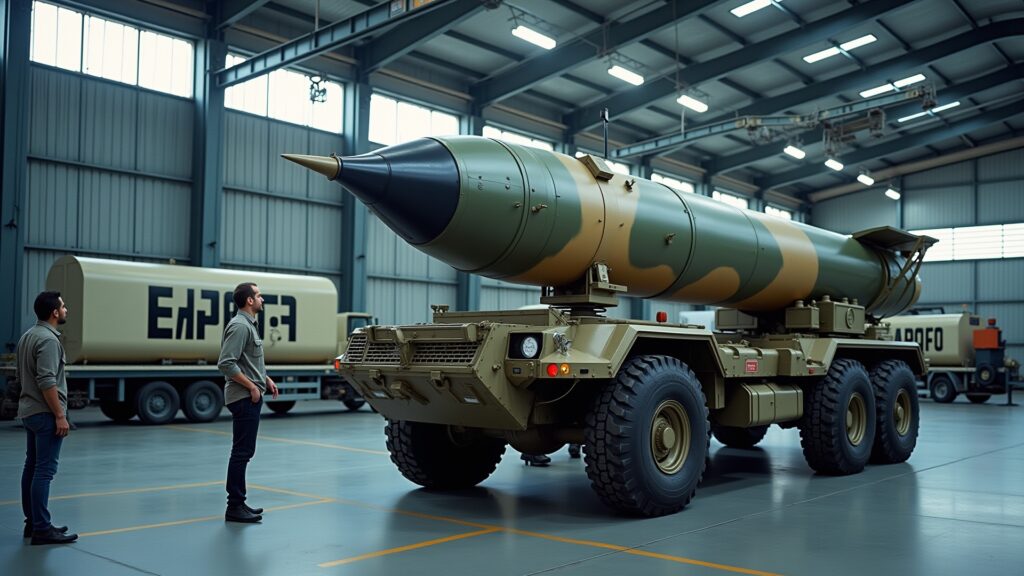
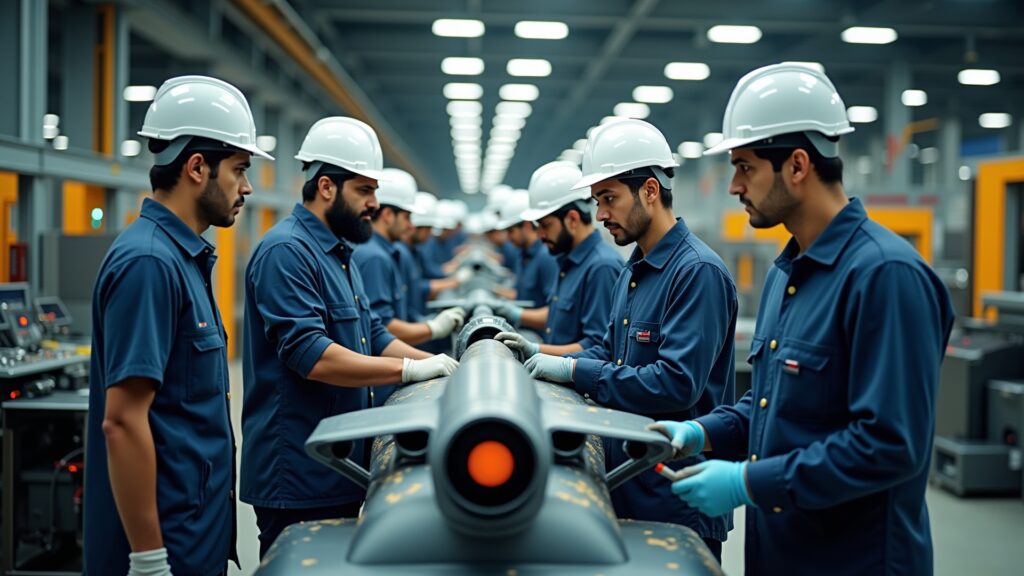
As a leader or stakeholder in India’s defence industry, the sharp production cut of nearly 50% in the BrahMos supersonic missile demands your immediate attention. This contraction is not just a supply hiccup—it’s a profound signal shaking the foundation of India’s defence manufacturing ambitions and naval modernization trajectory. You need to understand why this disruption matters to your business, investment strategies, and the broader ecosystem that supports policy-driven indigenisation and export growth.
Why This Matters to You
Whether you are a defence manufacturer, an investor eyeing strategic growth sectors, or a policymaker shaping India’s defence industrial policy, the BrahMos production slowdown directly impacts your current and future positioning. It affects how procurement timelines will unfold, how supply chain risks are managed, and how Indian defence exports will be perceived globally. The missile’s reputation as a technological flagship hinges on consistent production and deployment—something you rely on for sustaining competitiveness and leveraging export opportunities.
What Is Happening?
The BrahMos missile, a cornerstone product stemming from the Indo-Russian defence partnership, has experienced a drastic drop in production output—almost halving recently. This decline disrupts scheduled deliveries to the Indian Navy, which depends on this supersonic weapon system to maintain and enhance its maritime strike capabilities. The reduction stems from bottlenecks in supply chain resilience and manufacturing scalability that have rippling effects across component sourcing and assembly lines.
Key Business and Strategic Impact
This slowdown unveils pressing challenges within India’s defence manufacturing ecosystem:
- Supply Chain Fragility: Raw material shortages and supplier constraints highlight vulnerabilities that need urgent redress.
- Manufacturing Scalability: The crisis exposes inefficiencies preventing scale-up, crucial for meeting both domestic demands and export commitments.
- Private Sector Integration: Limited private sector and MSME involvement in critical components intensifies production risks, underscoring the need for broader industrial participation.
- Export Credibility: With production schedules inconsistent, India’s defence export credibility suffers, potentially stalling growing market traction.
“In defence, scale matters — but strategic self-reliance matters even more.”
Strategic Implications for Naval Capability
The impact on India’s naval forces is especially acute. BrahMos’s attributes—speed, precision, and standoff engagement—remain vital for India’s strategy in contested maritime domains. Multi-year delays threaten operational readiness and could compromise force projection at a time when regional security dynamics demand rapid capability enhancements.
This supply disruption could force recalibration of procurement cycles and naval mission planning, stretching existing inventory and limiting tactical flexibility. It illustrates a broader point: indigenous weapon systems must have robust, uninterrupted production to remain credible deterrents and strike assets.
“The real edge is not only in buying capability, but in building the industrial depth to sustain it.”
Strategic Analysis: A Catalyst for Defence Industry Transformation
This setback should be viewed not just as a disruption but as a strategic inflection point. It shines a light on areas where defence manufacturing ecosystems must evolve—especially in supply chain resilience, advanced manufacturing adoption, and risk diversification.
Incorporating innovative production technologies like automation and AI-driven quality management can reduce bottlenecks and enhance output consistency. Moreover, ramping up private sector involvement, especially through platforms like iDEX and defence startups, can inject agility and fresh innovation, resolving component-level bottlenecks while building a broader industrial base.
Practical Takeaways for Defence Leaders and Industry
- Assess and shore up supply chain vulnerabilities to minimize raw material and component shortages.
- Invest in advanced manufacturing technologies that prioritize precision, speed, and quality assurance.
- Expand inclusion of MSMEs and private enterprises to distribute production risk and foster industrial depth.
- Align your procurement and export strategies with realistic production capabilities to maintain credibility.
- Leverage innovation frameworks such as iDEX to accelerate problem-solving around production challenges.
“When procurement clarity, technological innovation, and manufacturing discipline align, defence growth becomes far more durable.”
Risks and Challenges Ahead
Addressing the BrahMos production collapse is complex. Industrial reforms require coordination across government, public sector undertakings, private industry, and technology innovators. Delays in addressing these bottlenecks risk entrenching procurement delays and ceding technological advantage to regional competitors.
Furthermore, without clear policy signals prioritizing supply chain resilience and private sector integration, momentum toward indigenisation and export ambitions may falter. Investors must weigh these systemic uncertainties when committing capital to defence manufacturing ventures.
What You Should Watch Next
- Government initiatives targeting supply chain restructuring and manufacturing automation in missile production.
- Policy updates on defence procurement reforms emphasizing private sector roles.
- Collaborations or new partnerships between public sector entities and private MSMEs or startups in key missile subsystems.
- Export contracts and delivery performance of BrahMos variants internationally.
- Technological innovations introduced through iDEX and other defence innovation ecosystems addressing production bottlenecks.
Conclusion
The BrahMos missile production impact extends far beyond manufacturing lines—it is a strategic wake-up call for you as a business leader, policymaker, or investor in India’s defence industry. Proactive leadership, embracing technological innovation, and fostering deeper industrial collaboration are your pathways to restoring production momentum. By doing so, you ensure not only the sustainability of critical naval capabilities but also the strengthening of India’s defence exports and the global competitiveness of its manufacturing sector.
Understanding these dynamics equips you to navigate challenges with foresight, turn risks into opportunities, and align your strategies with India’s evolving defence industrial landscape.