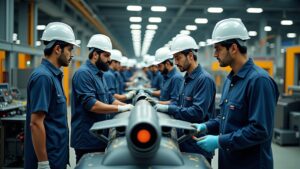
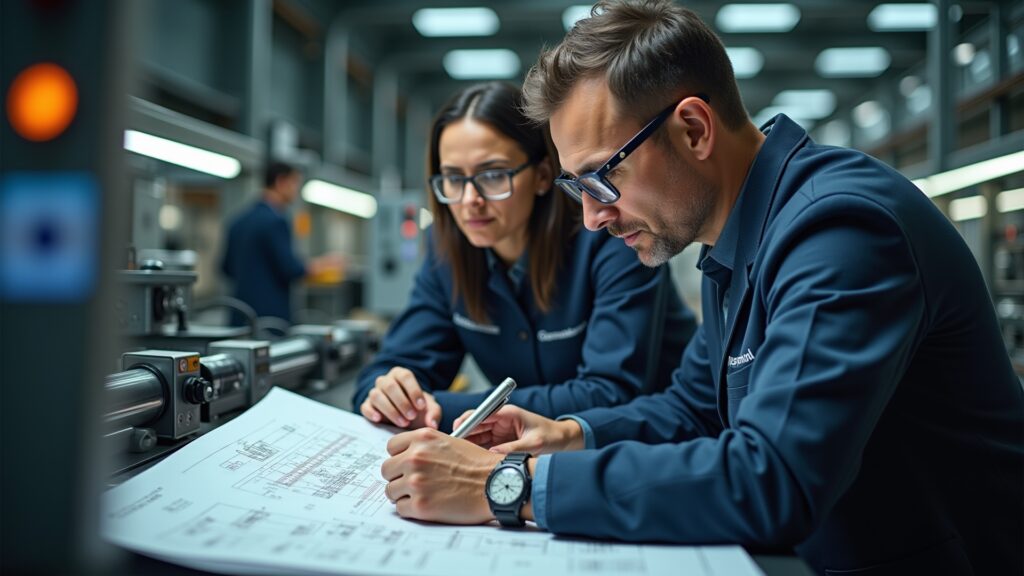
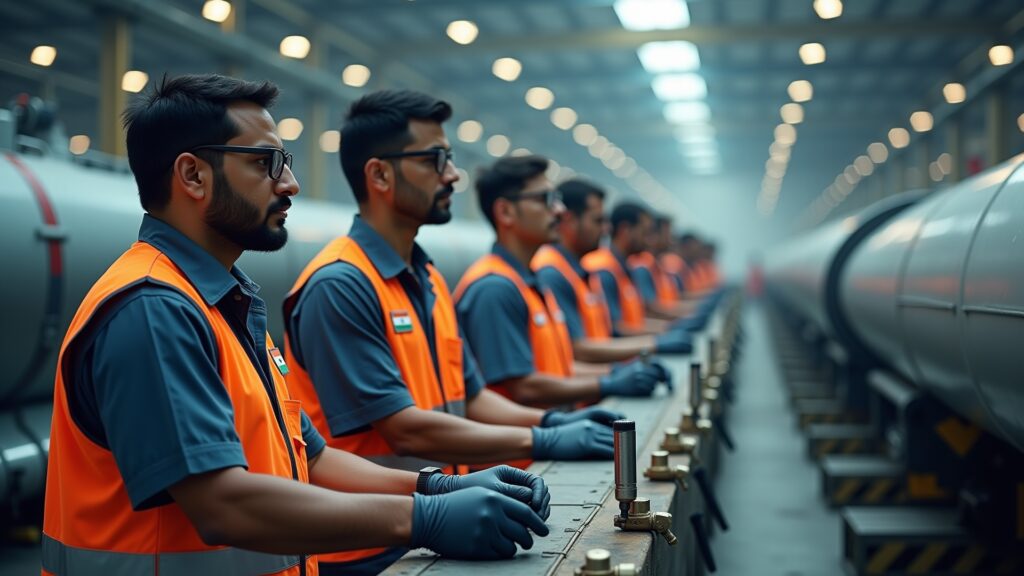
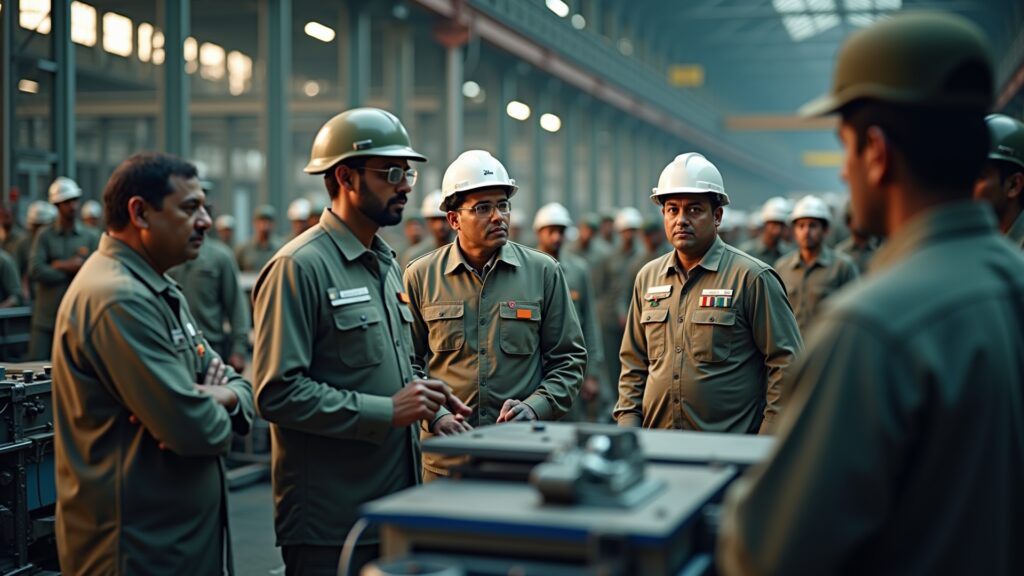
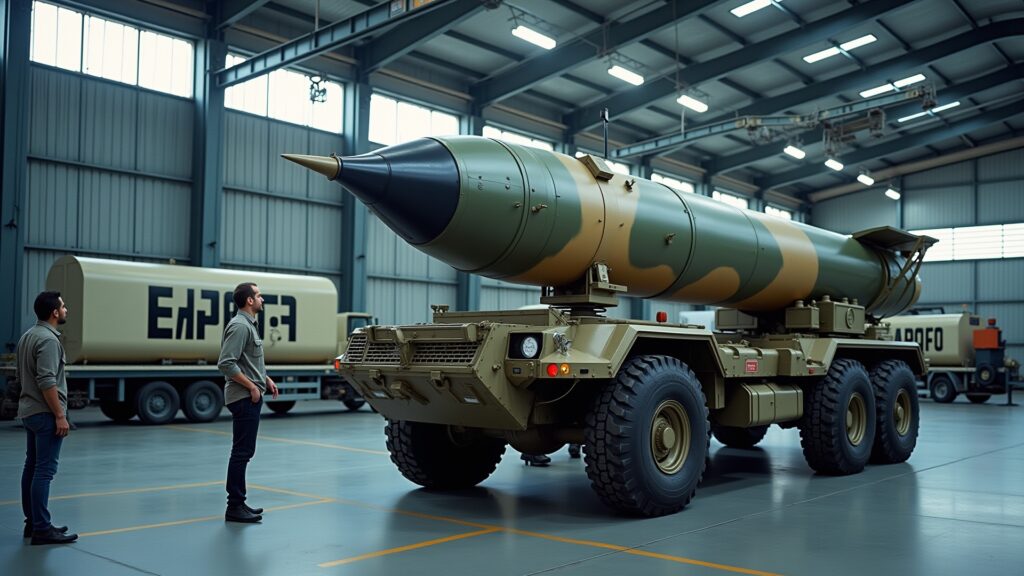
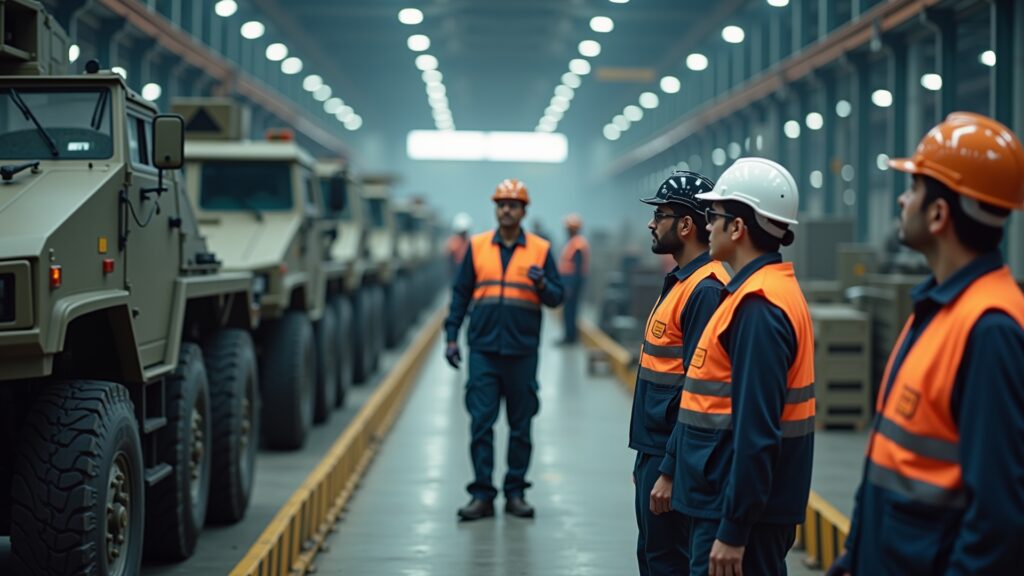
As a leader in the defence sector, the recent invitation from India’s Defence Minister Rajnath Singh to the German defence industry is more than a diplomatic gesture—it is a strategic pivot that could redefine your business landscape in defence manufacturing and innovation. This push for Indo-German collaboration through co-development and co-production initiatives signals a crucial opportunity for you to accelerate capability building, technology integration, and market expansion within India’s evolving defence ecosystem.
Why This Matters to Your Strategic Defence Interests
The defence market you operate in is undergoing a transformation driven not only by shifting geopolitical needs but by India’s focused policy thrust on indigenisation, private sector engagement, and export growth. Rajnath Singh’s outreach to German industry means you now have a front-row seat to a partnership with one of the world’s most technologically advanced and stringent defence industrial bases.
This opportunity impacts your investment decisions, product development priorities, and long-term positioning. It invites you to rethink supply chain resilience, incorporate advanced German precision engineering standards, and tap into collaborative innovation models that connect India’s burgeoning private sector with global expertise.
The Core of the Indo-German Partnership: What Is Happening?
Germany’s defence industry is globally respected for specialized capabilities ranging from armoured and naval platforms to aerospace and digital defence technologies. India’s Defence Minister has explicitly invited German firms to enter joint ventures that go beyond mere procurement, focusing on co-development and co-production — a model that allows you as an industry player to absorb technologies, adapt them locally, and deliver solutions tailored to Indian and global defence demands.
This push dovetails with India’s broader strategy to reduce import dependency, stimulate domestic manufacturing growth especially through private firms and MSMEs, and enhance defence exports. The collaboration aims to institutionalize technology transfer, create scalable Indian manufacturing footprints, and jointly navigate international certification and market entry challenges.
Key Business and Market Implications for You
- Capability Upgrade: Access to advanced German engineering and manufacturing practices can enhance your product quality and innovation capacity.
- Export Potential: Jointly developed platforms have higher chances of complying with international standards, unlocking new global markets.
- Supply Chain Resilience: Collaboration diversifies sources for critical components, mitigating geopolitical and logistical risks.
- Private Sector and Startup Growth: Technology transfer frameworks under this partnership can fuel innovation within Indian startups and MSMEs, creating new business opportunities.
- Policy and Regulatory Facilitation: Anticipate supportive regulatory schemes encouraging cross-border R&D, joint partnerships, and investment flows.
Strategic Insight: The Bigger Picture You Need to Consider
India’s call for German collaboration is not just about the immediate defence industrial gains; it reflects a long-term national ambition for strategic autonomy complemented by global competitiveness. From your vantage point, it’s a signal to restructure your business models towards integrated, technology-driven partnerships. It invites you to evolve beyond vendor relationships into co-innovation and co-ownership of defence solutions.
Moreover, such partnerships can drive the next wave of innovation in aerospace, digital defence, naval shipbuilding, and autonomous systems—domains where India is investing heavily but still needs external expertise and capital infusion for scalable breakthroughs.
“In defence, scale matters — but strategic self-reliance matters even more.”
“The real edge is not only in buying capability, but in building the industrial depth to sustain it.”
Practical Takeaways for Defence Executives and Investors
- Understand this collaboration as a gateway to elevate your manufacturing processes through superior German technology and standards.
- Monitor government policy updates closely for incentives facilitating joint ventures, R&D cooperation, and export promotion linked to Indo-German projects.
- Explore partnerships actively—whether you lead an MSME, a startup, or a larger manufacturing unit—as this model prioritizes industry-to-industry cooperation over traditional buyer-seller dynamics.
- Invest in skill enhancements and digital capabilities to integrate seamlessly with German engineering and digital defence ecosystems.
- Prepare to position jointly developed platforms for global defence tenders, leveraging shared certifications and compliance benefits.
Expert Perspective: Positioning for Sustainable Growth
This collaboration demands that you approach defence manufacturing not just as a product deliverer but as an innovation partner and ecosystem builder. The convergence of India’s manufacturing ambitions with Germany’s technology prowess has the potential to create a defence industrial base that is globally competitive, export-capable, and technologically advanced.
“When procurement clarity, technological innovation, and manufacturing discipline align, defence growth becomes far more durable.”
Risks and Challenges to Navigate
While the promise is substantial, your strategic plans must account for potential risks including regulatory complexities, intellectual property negotiations, and the pace of technology transfer. Aligning cross-cultural corporate and governmental expectations may also require patience and agility.
Furthermore, integrating German technologies within Indian supply chains demands rigorous quality assurance practices and significant capability upgrades, which calls for investment and long-term commitment.
What You Should Watch Next
- Announcements on specific Indo-German joint venture agreements and co-development projects.
- Policy frameworks and incentives introduced to smoothen cross-border defence industrial collaboration.
- Emerging startups and MSMEs gaining access to advanced technology through these partnerships.
- Updates on how this collaboration influences India’s defence export figures and international defence market engagements.
Conclusion: Seizing the Indo-German Defence Partnership Opportunity
For your enterprise, Rajnath Singh’s call to the German defence industry is a strategic inflection point. It unlocks pathways to integrate world-class technologies, expand your capabilities, and strengthen your market competitiveness in a rapidly evolving global defence industry. By embracing this partnership, you position yourself at the forefront of India’s defence manufacturing renaissance—anchored in innovation, export potential, and sustainable growth.
Keep a close eye on this evolving Indo-German defence industrial ecosystem. The decisions you make now in collaboration, investment, and capability development will shape your competitive edge in the coming decades.