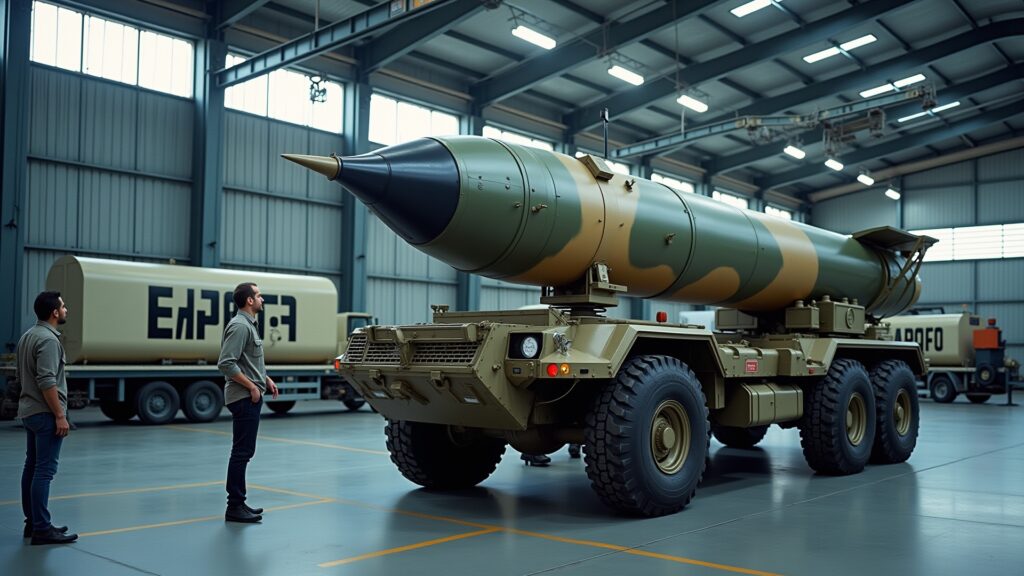
You may be overlooking the transformative potential of dual-use technologies in the defence sector. These innovations, designed for both military and civilian applications, provide a unique pathway for founders like you to rapidly scale your ventures. Leveraging dual-use tech can open up diverse funding opportunities and expand your market reach, allowing you to tap into the growing demand for advanced solutions across both arenas. By positioning your products for broader applicability, you enhance your competitive edge and drive sustainable growth in a complex industry.
Key Takeaways:
- Dual-use technology allows for faster market entry by addressing both military and civilian applications, increasing potential customer bases.
- Funding opportunities are amplified as dual-use technologies attract investment from both defense and commercial sectors.
- Collaborations between private sector innovators and government agencies enhance credibility and accelerate development timelines.
Understanding Dual-Use Technology
To effectively harness the power of dual-use technology, you must grasp its essence and applications. This technology refers to innovations that serve both military and civilian purposes, enabling your solutions to penetrate multiple markets. By leveraging this versatility, you can optimize your resources and address diverse customer segments, thus accelerating growth.
Definition and Importance
Dual-use technology encompasses items, systems, or services designed for both civilian and military utilization. This duality is significant because it enhances the commercial viability of defense innovations, allowing you to tap into broader market opportunities. As governmental funding and civilian investments converge, your potential for scaling becomes multifaceted, reducing risks associated with reliance on sole government contracts.
Market Potential in Commercial and Defense Sectors
The market potential for dual-use technology is considerable, as evidenced by the millions allocated annually to related sectors. In 2022, the global defense market was valued at approximately $2 trillion, while the civilian sector saw investments exceeding $3 trillion. These figures illustrate how your dual-use offerings can successfully cater to both markets, significantly increasing revenue streams and enhancing sustainability.
You can find numerous examples of companies thriving through dual-use tech. For instance, drone technology designed initially for military surveillance has found extensive applications in agriculture, real estate, and logistics, expanding its market reach dramatically. Similarly, cybersecurity solutions developed for national defense are now integral to protecting commercial enterprises, highlighting the necessity of adaptability. As you innovate within this landscape, understanding and capitalizing on these interconnected markets will be vital for your success and scalability in both domains.
Advantages for Defense Technology Founders
Leveraging dual-use technology provides you with distinct advantages, enhancing your position in a competitive landscape. By targeting both defense and commercial markets, you can achieve greater product validation and market fit, enabling faster pivots based on feedback. This cross-sector appeal not only attracts diverse customers but also mitigates the risks associated with reliance on a single market. Your innovations can elevate the perception of their dual capability, leading to robust growth and sustainability in a fluctuating economic environment.
Accelerated Development Timelines
With dual-use technology, your development timelines can significantly speed up. Collaborating with commercial sectors allows you to draw from established practices and technologies that streamline processes, reducing the time spent in the lengthy defense contract cycles. This agility enables quicker iterations and faster time to market, which can be crucial when adapting to the rapidly evolving landscape of both defense needs and consumer demands.
Access to Broader Funding Opportunities
Engaging with dual-use tech opens various funding avenues that enhance your financial stability. You can tap into not only defense grants but also venture capital and private equity interested in commercial applications. This diversified funding landscape allows you to pursue larger projects and scale operations more effectively.
By addressing both defense and commercial markets, you position your venture to attract a wider array of investors. For example, many venture capital firms actively seek dual-use technologies due to their potential for significant returns in both sectors. You might find partnerships with non-governmental organizations, military contracts, or even incentives from government programs aimed at fostering innovation. Thus, your ability to showcase a dual-impact model can make your venture particularly appealing, leading to increased financial backing and strategic partnerships, which accelerate your operational scaling. In 2022, dual-use tech startups received over $1.5 billion in funding across various platforms, illustrating the financial viability and investor interest in this approach.
Case Studies of Successful Dual-Use Innovations
Examining successful dual-use innovations reveals patterns of how technology can effectively bridge military and civilian sectors, amplifying market viability. These case studies highlight advancements that not only meet defense needs but also find resonance in everyday applications.
- Zipline (Drones): Founded in 2014, Zipline utilizes drones for medical supply deliveries, achieving over 200,000 deliveries in countries like Rwanda and Ghana, saving countless lives while also serving military logistics.
- Palantir Technologies (Data Analytics): With a valuation above $20 billion, Palantir initially catered to defense sectors, but its tools for data integration and analytics are now utilized by enterprises globally across industries like finance and healthcare.
- Anduril Industries (Surveillance Tech): Anduril’s autonomous surveillance systems, initially designed for border security, are also applied in environmental monitoring, showing a revenue growth of 40% in the last year.
- Thales Group (Cybersecurity): Thales expanded its cybersecurity solutions from defense to critical infrastructure and urban security, leading to a 15% increase in civilian market share in 2022.
Notable Examples in Recent Years
In recent years, companies like Zipline and Palantir exemplify the successful pivot to dual-use technologies. For instance, Zipline’s drone deliveries expanded from military applications to lifesaving distribution of vaccines, while Palantir’s software transitioned to broader commercial uses, generating revenues of over $1 billion.
Lessons Learned from Past Endeavors
Analyzing past endeavors sheds light on strategic approaches that enhance the viability of dual-use innovations. Successful companies emphasized market adaptability, effective partnerships, and the importance of demonstrating tangible benefits to both defense and civilian users.
Successful ventures often leverage insights from initial challenges, such as regulatory hurdles and market hesitations. For example, engaging early with civil regulatory agencies helped Zipline smoothen its entry into new markets. Additionally, building cross-sector partnerships was central to Palantir’s growth, enabling it to fine-tune its offerings and better showcase the dual benefits of its technologies. Emphasizing transparency and demonstrable results played a key role in advancing trust among diverse stakeholders, often resulting in expedited adoption and a mapped pathway to broader market access.
Challenges and Risks
Navigating the landscape of dual-use technology presents unique challenges and risks that you must consider. High development costs, uncertainty in securing funding, and the need to demonstrate both military and civilian applicability add complexity to your business model. Additionally, the potential for misinterpretation of your technology’s intent can lead to ethical dilemmas that may taint your reputation. Awareness of these pitfalls is vital as you strategize your growth in this competitive sector.
Regulatory Considerations
Adhering to regulatory frameworks is paramount for your dual-use innovations. Various jurisdictions impose stringent export controls and compliance requirements on technologies that may have military applications. Understanding and navigating these regulations can be daunting, but it’s necessary to avoid legal repercussions that could jeopardize your company’s future. Engaging legal experts early in your development process will help ensure that your innovations remain compliant.
Balancing Military and Civilian Applications
Striking the right balance between military and civilian applications is necessary for maximizing your dual-use technology’s market potential. You need to tailor your messaging and product features to resonate with diverse customer bases while maintaining functionality for both domains.
Balancing military and civilian applications requires an adept understanding of market demands. For example, dual-use tech products like drones can serve both defense and commercial purposes, creating vast growth opportunities. Entrepreneurs must develop a marketing strategy that highlights benefits for each sector, fostering adaptability. Continuous feedback from military stakeholders can inform product iterations, ensuring that dual-use applications remain relevant and effective. A successful strategy integrates the capabilities required for defense while appealing to civilian sectors, ultimately positioning you for expansive growth.
Strategies for Navigating the Dual-Use Landscape
Successful navigation of the dual-use landscape requires strategic foresight and adaptability. You must understand the regulatory environments that govern both defense and civilian sectors, leveraging the overlapping needs for product development. Identifying viable market opportunities and fostering innovation in both arenas can position your company for strategic growth and operational flexibility. This strategic approach enables you to stretch resources efficiently while maximizing the technology’s potential impact across different applications.
Building Strategic Partnerships
Forming strategic partnerships paves the way for accessing new markets and sharing resources. You can leverage alliances with established defense contractors, tech firms, or academic institutions to enhance your research capabilities and improve product validation. Collaborations often yield mutual benefits, opening avenues for funding, expertise, and critical industry insights that can accelerate your technology’s development.
Engaging with Stakeholders Across Sectors
Engaging diverse stakeholders across sectors is vital for aligning your technology with real-world needs. By actively communicating with government agencies, industry leaders, and community organizations, you can underscore the relevance of your dual-use innovations. This not only fosters trust but also allows you to collect valuable feedback that can fine-tune your product offerings for both defense and civilian markets.
Expanding your engagement with stakeholders can provide beneficial insights into sector-specific challenges and emerging trends. Collaboration with defense agencies can help you understand regulatory compliance, while discussions with civilian sector leaders can unveil market gaps that your technology may fill. By participating in cross-sector events and forums, you can build credibility and connect with potential partners or collaborators who may enhance your offering’s relevance and scope. This multifaceted approach ensures that your innovations are well-positioned to meet diverse demands and facilitate rapid scaling.
Future Trends in Dual-Use Technology
As global security landscapes evolve, the trajectory of dual-use technology is poised for significant transformation. You will likely see increased collaboration between the defense and civilian sectors, driven by advancements in artificial intelligence, cybersecurity, and renewable energy. Governments and private sectors are already investing heavily in these areas, recognizing their potential to enhance both military efficacy and societal benefits. The lines separating these sectors will blur further, leading to innovations that foster national security while promoting economic growth.
Emerging Technologies with Dual Applications
Technologies such as drones, cybersecurity solutions, and advanced materials are rapidly emerging with dual-use applications. You will find that developments in drone technology not only improve reconnaissance for military operations but also revolutionize logistics and agriculture. Likewise, robust cybersecurity frameworks are crucial for both protecting national assets and securing sensitive commercial data, making them invaluable across sectors. This versatility in application encourages greater investment and innovation.
Predictions for the Defense Industry
The defense industry will likely see a shift toward integrating advanced technologies from civilian applications into military operations. As you anticipate the future, expect more strategic partnerships between tech startups and defense contractors, enabling faster deployment of innovations. Moreover, the rising prioritization of cybersecurity will drive investment into dual-use innovations, creating a more resilient infrastructure. This trend indicates that tomorrow’s defense strategies will increasingly rely on civilian technological advancements to counter emerging threats effectively.
As you navigate these predictions, consider the impact of budgetary pressures and geopolitical tensions on defense spending. With an estimated $1.8 trillion global defense budget, reallocating funds toward dual-use technologies can enhance operational effectiveness while addressing civilian challenges. Collaborations between tech firms and military organizations are expected to intensify, fostering a landscape where agility and innovation break down traditional barriers. Dual-use technology will not only fortify national security but also contribute to broader economic growth, an attractive proposition for both investors and defense founders alike.
FAQ
Q: What is dual-use technology and how does it benefit defense technology founders?
A: Dual-use technology refers to innovations that serve civilian and military purposes. This approach allows defense technology founders to tap into larger civilian markets, ensuring more substantial funding opportunities and sustainable growth. By developing products that can be applied in both sectors, founders can mitigate risks associated with defense-only contracts, enhancing their scalability potential.
Q: How can dual-use tech create partnerships between military and commercial sectors?
A: Dual-use tech fosters collaboration between military and commercial sectors by facilitating knowledge exchange and resource sharing. Defense technology founders can engage with civilian organizations to co-develop technologies, leading to shared investments and enhanced innovation. These partnerships can drive faster product development cycles and increase overall market penetration.
Q: What challenges do founders face when entering the dual-use technology market?
A: Founders may encounter regulatory hurdles, as dual-use technologies often require compliance with strict export controls and security regulations. Additionally, balancing military and civilian customer needs can complicate product development and marketing strategies. Understanding both sectors is imperative for navigating these challenges effectively.