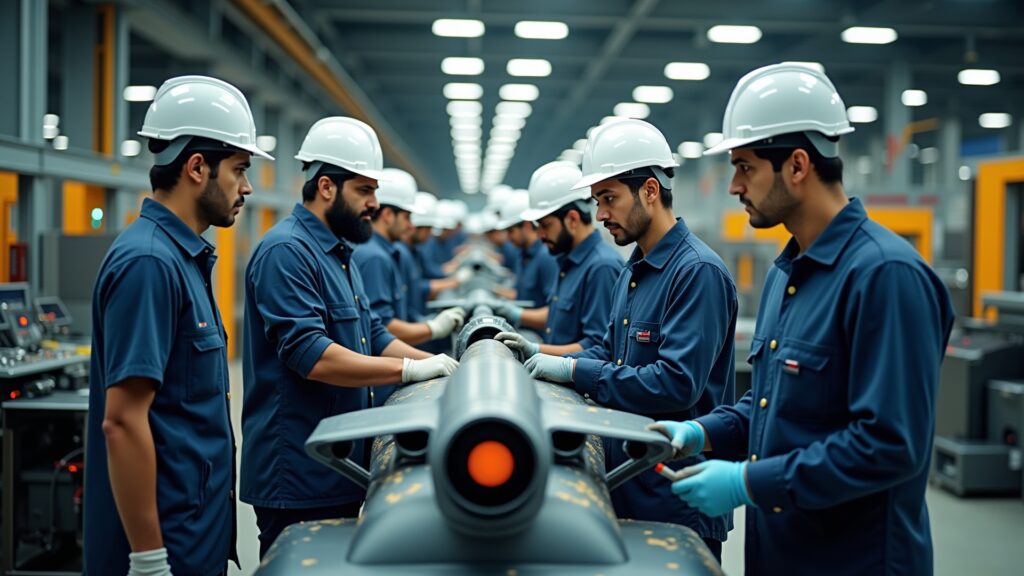
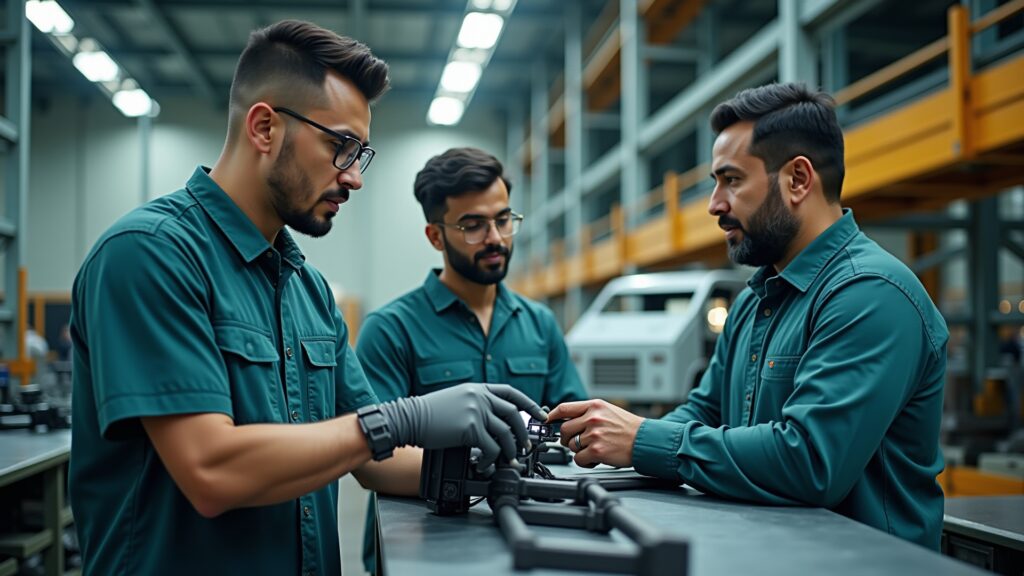
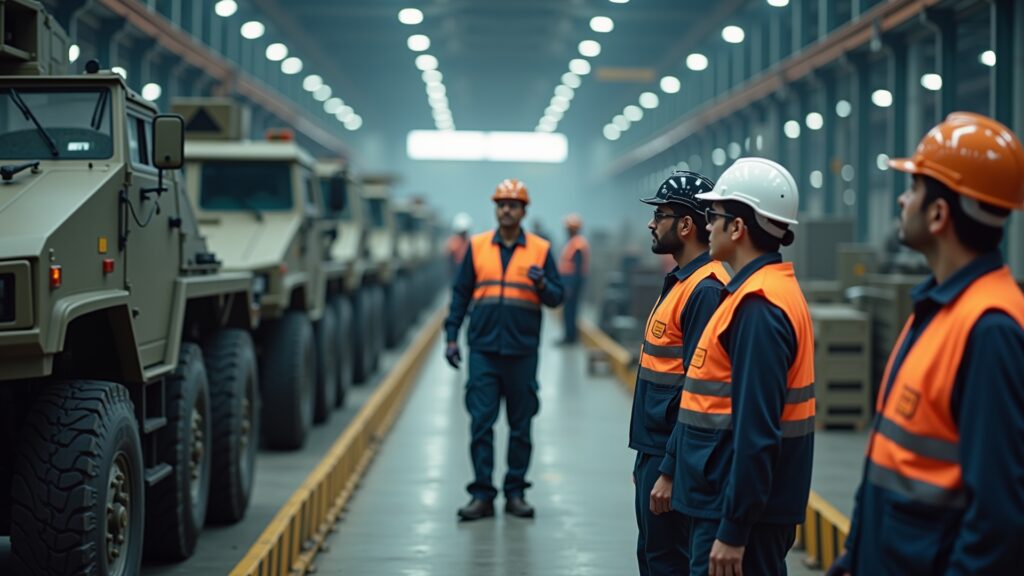
Defence procurement extends beyond the primary contractors you often hear about, revealing tier-2 and tier-3 suppliers as key players driving innovation and efficiency. These suppliers provide specialized components and services that fuel development efforts, enhance supply chain resilience, and ultimately strengthen national security. By understanding their role, you can appreciate how these often-overlooked partners contribute significantly to the growth and stability of the defence ecosystem.
Key Takeaways:
- Tier-2 and Tier-3 suppliers drive innovation by providing specialized technologies and solutions that meet the unique needs of the defence sector.
- These suppliers often operate with greater agility and lower costs compared to larger primes, enabling them to respond quickly to changing demands and requirements.
- Collaboration between primes and smaller suppliers enhances the overall resilience and efficiency of the defence supply chain, fostering sustainable growth within the ecosystem.
The Importance of Tier-2 and Tier-3 Suppliers
Understanding the significance of Tier-2 and Tier-3 suppliers in the defence supply chain is necessary for grasping how this ecosystem functions. These suppliers form the backbone of innovation and efficiency, often overlooked in favor of major contractors. By nurturing relationships and integrating their offerings, you can leverage their specialized skills and adaptive capabilities to enhance overall project outcomes, leading to cost-effective solutions and expedited timelines.
Defining the Tiers in the Defence Supply Chain
The defense supply chain is typically categorized into tiers, where Tier-1 suppliers are major contractors that provide primary systems and components. Tier-2 suppliers often focus on subsystems or technologies integrated into Tier-1 products, while Tier-3 suppliers provide raw materials, parts, and niche products, forming a vital support structure that enhances overall supply chain resilience and flexibility.
The Role of Smaller Suppliers in Innovation
Smaller suppliers play a critical role in driving innovation within the defense sector. They often specialize in niche technologies that larger contractors overlook, enabling them to respond quickly to emerging challenges and demands. Their agility allows for rapid prototyping and the incorporation of cutting-edge solutions, which are necessary in an environment that continuously evolves in response to new threats and technological advancements.
For instance, a Tier-3 supplier may develop advanced materials that improve the performance and survivability of combat vehicles. With their ability to pivot quickly, they can deploy new ideas and innovations that larger companies might take years to adapt to, ensuring the defense sector remains competitive and technologically advanced. An example can be seen in the rise of additive manufacturing, where smaller firms have pioneered 3D printing techniques that significantly reduce production costs and time for critical components, providing a substantial edge to defense projects. By capitalizing on the expertise of these suppliers, you can foster a culture of rapid innovation that enhances overall defense capabilities.
Economic Impact of Tier-2 and Tier-3 Suppliers
The economic influence of Tier-2 and Tier-3 suppliers within the defense ecosystem is profound. These suppliers not only support major prime contractors through their specialized services and products but also contribute significantly to local economies. Their involvement fosters a competitive landscape, promotes innovation, and bolsters the overall defense supply chain, driving robust economic activity at multiple levels.
Job Creation and Local Economies
Your engagement with Tier-2 and Tier-3 suppliers fosters job creation in local communities. These suppliers employ a diverse workforce, directly supporting thousands of jobs across various skill levels. As these companies grow, they contribute to a higher demand for local services, resulting in an economic ripple effect that enhances community stability and prosperity.
Cost Efficiency and Competitive Advantage
Utilizing Tier-2 and Tier-3 suppliers can yield significant cost efficiencies and a competitive edge for defense contractors. By leveraging the specialized capabilities and flexible structures of smaller suppliers, you can reduce production costs and adapt more quickly to changing market demands.
For example, a major defense contractor recently partnered with a Tier-2 supplier specializing in advanced materials. This relationship not only decreased material costs by 15% but also accelerated product development timelines. By embracing such partnerships, you gain access to innovative technologies and agile practices that larger firms might not possess, enhancing your market positioning while optimizing resource allocation. In an industry where budgets are critical, harnessing the strengths of these suppliers ensures you remain competitive without sacrificing quality or performance.
Challenges Faced by Smaller Suppliers
Operating as a Tier-2 or Tier-3 supplier in the defense ecosystem presents numerous challenges that can impede your growth and sustainability. Resource constraints, regulatory complexities, and limited access to key contracts necessitate strategic navigation of a terrain rife with difficulties. As you strive to position your business competitively, understanding these obstacles is crucial for fostering resilience and gaining an edge in the industry.
Financial Constraints and Access to Capital
Your ability to secure funding is often undermined by financial constraints, making it difficult to invest in innovative technologies and expand operational capabilities. Limited access to capital impedes your ability to compete for larger defense contracts, as many larger firms benefit from longstanding financial relationships and favorable financing terms, leaving smaller suppliers at a disadvantage.
Regulatory and Compliance Hurdles
Navigating the intricate landscape of regulatory and compliance requirements can be daunting for you as a smaller supplier. The costs associated with adhering to these standards often strain your budget and resource allocation. This can deter your entry into lucrative contracts if compliance demands exceed your capacity.
These regulatory and compliance hurdles require meticulous attention and can divert your resources from core operational functions. For instance, adhering to the stringent standards set by the Defense Federal Acquisition Regulation Supplement (DFARS) often necessitates investments in cybersecurity measures, which, while crucial, can be financially taxing. Failing to meet these requirements might not only exclude you from government contracts but also tarnish your reputation in the industry, making crucial networking and collaboration increasingly difficult. Being aware of the specific regulatory landscape applicable to your operations will empower you to strategically plan for compliance, thereby enhancing your competitiveness in securing contracts.
Strategies for Empowering Tier-2 and Tier-3 Suppliers
To harness the full potential of Tier-2 and Tier-3 suppliers, defense organizations must adopt strategies that promote their growth and integration into the broader ecosystem. This includes strengthening collaborative relationships, investing in advanced technologies, and providing continued support and resources to enhance capabilities.
Building Partnerships with Prime Contractors
Establishing strong partnerships with prime contractors allows Tier-2 and Tier-3 suppliers to gain visibility in the supply chain and access larger projects. You can leverage these relationships to showcase your unique capabilities and innovations, which are often tailored to meet specific project needs, enhancing the overall value proposition for prime contractors.
Investment in Technology and Training
Investing in cutting-edge technology and comprehensive training programs is imperative for Tier-2 and Tier-3 suppliers. This investment not only boosts operational efficiency but also ensures compliance with industry standards, boosting your competitiveness within the defense sector.
By allocating resources towards the latest manufacturing technologies, such as automation and advanced materials, you can optimize production processes and reduce costs. Additionally, providing ongoing training for your workforce enhances skill sets, ensuring employees are well-versed in industry advancements and best practices. Companies like Northrop Grumman have successfully implemented such strategies, resulting in improved performance metrics and increased contract opportunities. This focus on technology and training ultimately positions Tier-2 and Tier-3 suppliers as integral partners in innovative defense solutions, driving growth throughout the supply chain.
Case Studies of Successful Supplier Contributions
Numerous examples highlight how Tier-2 and Tier-3 suppliers drive innovation and efficiency in the defense sector.
- Company A developed a lightweight composite material, reducing aircraft weight by 15%, leading to a 10% increase in fuel efficiency for major defense contractors.
- Supplier B produced a modular drone system, resulting in a 25% reduction in maintenance costs and a 30% faster deployment time for military operations.
- Company C introduced advanced sensor technology, which improved target detection rates by 40%, enhancing operational effectiveness for ground forces.
- Supplier D developed a cybersecurity solution that decreased breach incidents by 60% for defense software systems, protecting sensitive military data.
Innovative Solutions from Tier-2 Suppliers
Tier-2 suppliers continuously deliver innovative technologies that keep defense capabilities ahead of adversarial developments. Their ability to integrate cutting-edge materials and systems into existing platforms accelerates the transition to next-generation military assets.
How Tier-3 Suppliers Are Influencing Product Development
Your Tier-3 suppliers play an crucial role in shaping the products you utilize. By providing specialized components and niche technologies, they contribute significantly to the functionality and effectiveness of larger defense systems.
These smaller suppliers often bring unique expertise that larger firms might overlook, allowing for rapid prototyping and adaptability in design. For instance, a Tier-3 supplier specializing in precision microelectronics developed a component that increased processing speed by 50% for an advanced targeting system. Their flexibility allows them to respond quickly to evolving defense needs, integrating emerging technologies that enhance overall performance while maintaining cost-effectiveness. This influence fosters a collaborative environment where innovation thrives, directly impacting the trajectory of product development in the defense ecosystem.
The Future of the Defence Supply Chain
The defence supply chain is evolving towards greater integration and collaboration among suppliers. With increasing demand for advanced technologies and rapid production timelines, Tier-2 and Tier-3 suppliers will play a pivotal role in this transformation. Their agility and innovative capabilities will support the military’s need for cutting-edge solutions while adapting to emerging threats and technological advancements. Emphasizing partnerships and strategic alliances will be vital to harness their potential, enabling a more resilient and responsive supply chain.
Trends and Predictions for Tier-2 and Tier-3 Suppliers
The future for Tier-2 and Tier-3 suppliers appears promising, with trends indicating a shift towards more collaborative relationships with prime contractors and government entities. You can expect a rise in demand for specialized services and products, driven by advancements in artificial intelligence and autonomous systems. This will lead to opportunities for smaller suppliers who can quickly adapt and innovate, thus becoming indispensable to the supply chain ecosystem.
The Role of Technology in Supplier Advancement
Technology is at the forefront of advancing Tier-2 and Tier-3 suppliers within the defence sector. It enables these smaller firms to compete on a level playing field with larger corporations by improving operational efficiencies and streamlining processes. From implementing cloud-based solutions to leveraging data analytics, technology empowers you to enhance product quality and reduce costs, thereby positioning your business for growth in a competitive marketplace.
Specifically, deploying advanced manufacturing techniques, such as additive manufacturing (3D printing), allows Tier-2 and Tier-3 suppliers to minimize waste and produce complex components with precision. With AI-driven supply chain management tools, you can optimize inventory levels and improve logistics, which are vital for meeting stringent delivery timelines. Investment in cybersecurity is equally vital, as it protects sensitive information and maintains trust with larger defense contractors. These technological advancements will not only improve your competitive edge but also ensure your pivotal role in the evolving defense landscape.
To wrap up
Following this, you can see that Tier-2 and Tier-3 suppliers serve as the backbone of the defence ecosystem, providing innovative solutions and enhancing supply chain resilience. Your investment in these suppliers not only fosters a diverse and competitive market but also unlocks significant growth potential. By harnessing their capabilities, you contribute to a more robust defence landscape, driving advancements that keep pace with global security challenges. Engaging with these hidden gems amplifies your strategic advantage and positions you as a forward-thinking entity in the defence sector.
FAQ
Q: Why are Tier-2 and Tier-3 suppliers important in the defense sector?
A: Tier-2 and Tier-3 suppliers play a vital role in the defense ecosystem by providing specialized components and services that contribute to overall system performance. Their innovation often leads to cost-effective solutions, allowing larger manufacturers to enhance their offerings without bearing the full burden of research and development costs.
Q: How do Tier-2 and Tier-3 suppliers contribute to the overall growth of the defense industry?
A: These suppliers drive growth by fostering innovation and flexibility in production. They offer unique capabilities that can quickly adapt to changing requirements, enabling prime contractors to remain competitive in a rapidly evolving market. This adaptability allows the defense sector to leverage technological advancements without lengthy delays.
Q: What challenges do Tier-2 and Tier-3 suppliers face in the defense ecosystem?
A: Smaller suppliers often encounter difficulties such as limited access to funding, stringent regulatory compliance, and the need to meet high-quality standards set by larger contractors. Addressing these challenges is vital for them to scale operations and fully realize their potential as growth engines in the defense sector.