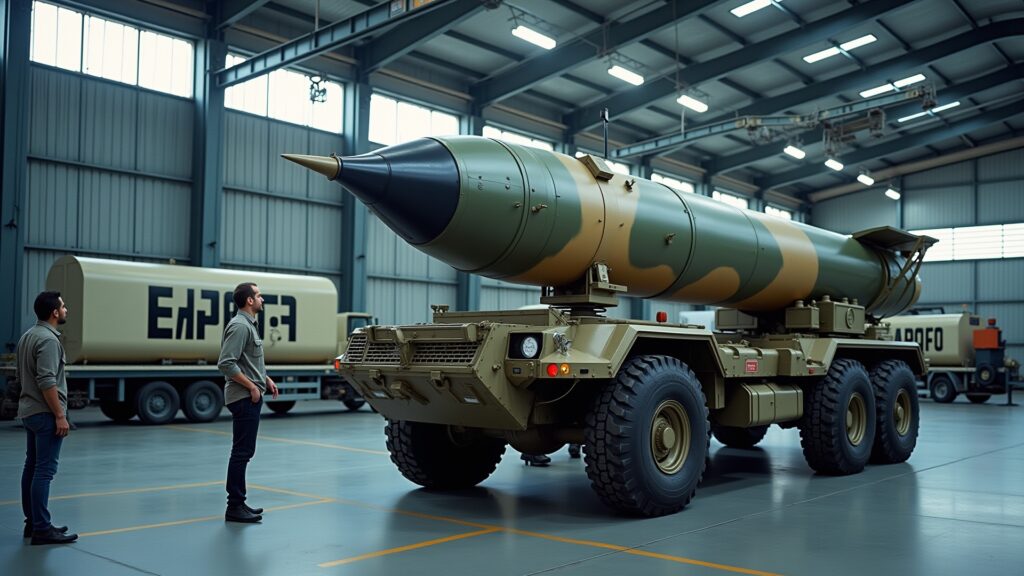
As the Indian defence sector pivots decisively from policy intent to rigorous execution, you stand at the threshold of transformative opportunities that can define your strategic approach to manufacturing, investment, and innovation. This shift is not merely procedural — it represents a recalibration of India’s defence industrial ecosystem, showcasing companies like Bharat Electronics Limited (BEL), Data Patterns India, and solar technology firms as critical growth pillars. Understanding this evolution is key to positioning your business or portfolio for sustained success amid emerging procurement and manufacturing dynamics.
Why This Shift to Execution Matters to You
If you are invested in or operating within India’s defence space, this move from ambition to action is your call to realign priorities. Execution translates policies into tangible production, supply chain fortification, and technology integration—elements that determine which companies will lead and which will lag under competitive pressures. This moment signals a maturation of India’s defence market, where business resilience and strategic partnerships become indispensable for capitalizing on government procurement and export ambitions.
What Is Happening in India’s Defence Sector?
After years of groundwork laid by initiatives such as ‘Make in India’ and Defence Production and Export Promotion Policy, the sector is finally crossing the Rubicon into sustained operational delivery. Nuvama’s recent analysis highlights key frontrunners — BEL, Data Patterns, and certain solar industry players — as prime beneficiaries of this pragmatic execution stage.
- Bharat Electronics Limited (BEL): A cornerstone of India’s defence electronics, BEL’s expertise in radar systems, electronic warfare, and communications is crucial for sovereign capability. Accelerated government procurement underscores the urgency to modernize defence technology platforms through indigenous production.
- Data Patterns India: Positioned as a trailblazer among private defence electronics manufacturers, Data Patterns aligns well with government pushes for private sector innovation and participation. Their focus on avionics and electronic warfare systems marks them as pivotal in reducing dependency on imports and advancing technological sophistication.
- Solar Sector Entities: Defence adoption of renewable energy technologies signals a strategic effort to reduce operational costs and enhance energy autonomy in military logistics and infrastructure, thereby supporting India’s broader green energy transition goals.
Business and Policy Implications Shaping Your Strategy
The move to execution redefines procurement frameworks, requiring you to rethink supply chain resilience and integrative collaboration. Both public and private sector manufacturers exhibiting proven execution capabilities gain prominence, urging defence CXOs to foster deeper partnerships across this spectrum. For investors, prioritizing firms ready to scale production and embrace export readiness presents compelling avenues for growth.
This phase intensifies India’s narrative of indigenisation and export-driven defence production — a strategic foundation for long-term capability development and global competitiveness. Startups and MSMEs involved in innovation ecosystems like iDEX must prepare for integration into larger delivery platforms, multiplying their role as innovation enablers within the supply chain.
Strategic Insights: Managing the Transition from Policy to Industrial Strength
Execution success hinges on marrying procurement clarity with manufacturing discipline and technology absorption. As you navigate this landscape, consider these fundamentals:
- Scale with precision: Building industrial depth and scale must be balanced by quality governance and agility.
- Innovation as a lever: Integrate emerging tech and green solutions to future-proof product lines and infrastructure.
- Collaborative ecosystems: Cultivate close ties between public units like BEL and nimble private innovators like Data Patterns.
“In defence, scale matters — but strategic self-reliance matters even more.”
“The real edge is not only in buying capability, but in building the industrial depth to sustain it.”
Practical Takeaways for Defence Leaders and Investors
- Understand the critical role of execution in converting policy into competitive advantage.
- Monitor firms like BEL and Data Patterns for their expanding capacity and government backing.
- Evaluate renewables-linked defence suppliers as part of long-term infrastructure modernization strategies.
- For procurement and supply chain heads: deepen collaborations with manufacturers demonstrating consistent delivery.
- Investors should track export preparedness and technological innovation as markers of growth potential.
- Startups and MSMEs in the defence ecosystem need to align with larger platforms for scale and impact.
Risks and Challenges to Navigate
The journey from policy frameworks to operational execution is fraught with challenges. Procurement delays, supply chain bottlenecks, and technology absorption hurdles remain real obstacles. Additionally, reliance on a limited pool of proven manufacturers could create capacity constraints if scaling is not managed pragmatically. It’s essential to remain vigilant about evolving regulations and geopolitical factors influencing defence trade and collaborations.
What You Should Watch Next
Keep a close eye on government procurement cycles and announcements around export facilitation under the Defence Production and Export Promotion Policy. Track private sector innovations, especially in avionics and electronic warfare, where export opportunities are expanding. Also, observe the integration of renewable energy technologies within military bases and how supply chains adapt to this green push — a clear indicator of future operational cost efficiencies and strategic independence.
Conclusion: Positioning Yourself for India’s Defence Sector Growth
India’s defence sector is at a turning point where execution excellence is fast becoming the defining factor for market leadership and global competitiveness. Success stories like BEL and Data Patterns underscore the strategic imperative to fuse innovation, manufacturing scale, and policy alignment. For you — whether as a business leader, investor, or policymaker — understanding and adapting to this shift towards operational execution is critical to capturing growth, enhancing supply chain resilience, and driving long-term strategic advantage.
Keywords: India defence sector execution growth BEL Data Patterns solar
“When procurement clarity, technological innovation, and manufacturing discipline align, defence growth becomes far more durable.”