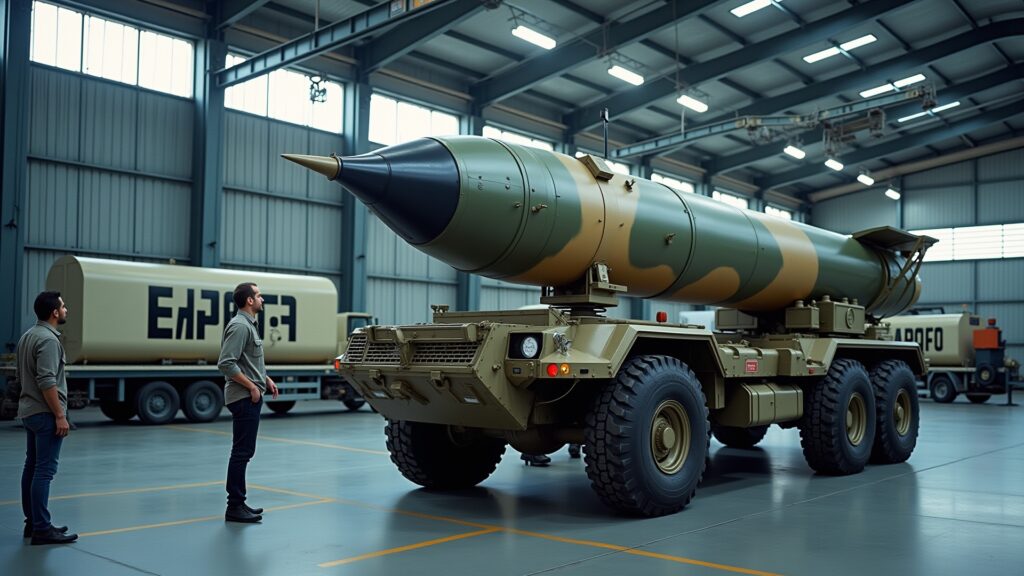
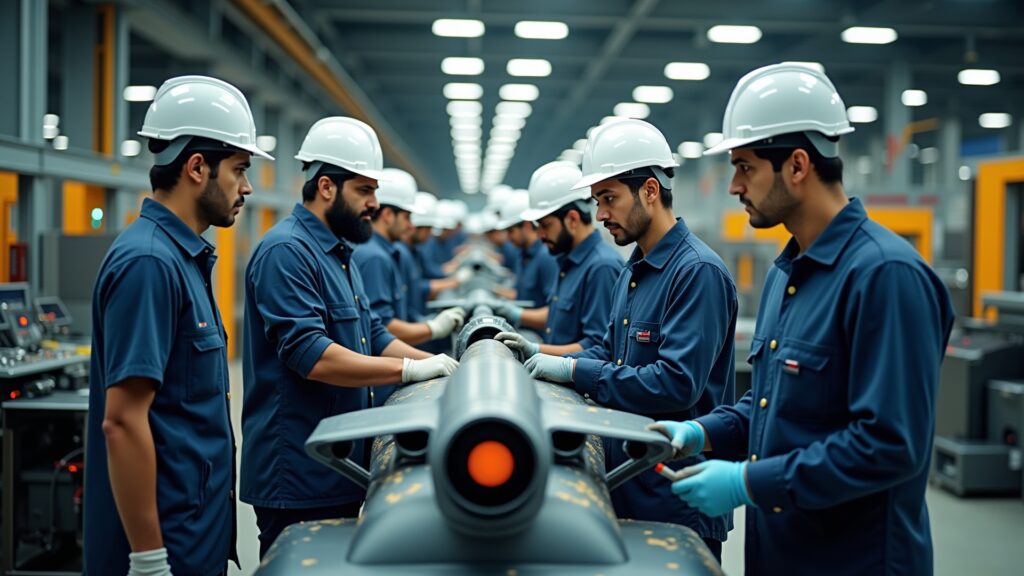
As a leader in the defence industry, you understand that the strength of your strategic decisions increasingly hinges on where and how critical technologies are produced. The recent delivery of the first batch of BrahMos missiles manufactured in Lucknow is not just another operational milestone—it’s a transformative moment for India’s defence ecosystem, and it directly impacts your business outlook, investment strategy, and long-term industry positioning.
Why This Development Matters to You
The Lucknow-based BrahMos missile production highlights a pivotal shift in India’s defence manufacturing landscape—one that expands indigenous capability, reshapes supply chains, and opens competitive avenues for exports and collaboration. For you, whether as a defence manufacturer, investor, or policymaker, this signals a more resilient and diversified ecosystem, which means greater opportunities, reduced supply risks, and a stronger platform for innovation and market expansion.
Understanding the Scale: What’s Happening with BrahMos Manufacturing in Lucknow
The BrahMos missile, known globally for its supersonic speed and multi-domain deployment capabilities, has traditionally been produced in select centers. Opening production in Lucknow marks a strategic decentralization of manufacturing. This isn’t simply about increasing output; it’s a deliberate government policy to diversify manufacturing hubs, enhance industrial clusters, and fortify supply chain resilience amid rising regional security demands.
This expansion involves significant technology transfer, infrastructure build-out, and workforce skill development, setting the stage to evolve Lucknow as a major defence aerospace hub. It’s a blueprint for future decentralization that bolsters India’s strategic autonomy and economic growth in defence.
Key Business and Strategic Implications
- Indigenisation and Private Sector Growth: You should see this as a direct stimulus to private defence manufacturers and MSMEs in Lucknow and surrounding regions, who can now integrate as Tier-1 and Tier-2 suppliers in the BrahMos supply chain, enhancing local industrial capabilities.
- Expanded Production Capacity and Export Readiness: This facility increases India’s missile production capacity, allowing you to meet demanding procurement timelines and positioning the BrahMos missile as a competitive export product in international defence markets.
- Supply Chain Resilience: By decentralizing production, India reduces dependency on single facilities, mitigating risks from geopolitical or logistical disruptions—an aspect that directly impacts your supply strategy security.
- Technology Ecosystem Development: The Lucknow hub promotes innovation in avionics, materials engineering, and precision manufacturing, creating spillover benefits for your adjacent aerospace and defence ventures.
Deeper Strategic Insight: What This Means for Long-Term Defence Manufacturing
With the Lucknow BrahMos production commencement, you witness a critical case study in effective industrial policy execution and defence acquisition reform. Strategic infrastructure investments aligned with clear policy incentives and public-private partnerships are key here. This initiative provides a robust model for how India aims to transition from being a defence technology importer to a global exporter and innovation leader.
“In defence, scale matters — but strategic self-reliance matters even more.”
From your perspective, the push towards distributed manufacturing centers also demonstrates an understanding that defence infrastructure must be secure, flexible, and capable of rapid scale-up to meet evolving threats. For businesses like yours, it means adjusting supply networks, investing in workforce capabilities, and aligning R&D agendas to this new industrial geography.
“The real edge is not only in buying capability, but in building the industrial depth to sustain it.”
What You Should Take Away
- Recognize the significant opportunity Lucknow’s BrahMos production offers for private sector engagement and localisation of your supply chains.
- Monitor government policies and procurement reform efforts that could further incentivize manufacturing decentralization and technology transfer.
- Invest strategically in workforce upskilling and R&D collaborations to capitalize on this growing aerospace and missile ecosystem.
- Explore export potential by understanding how increased domestic capacity can support global sales of the BrahMos missile platform.
- Consider the broader implications of supply chain resilience by diversifying production nodes within your defence manufacturing strategy.
Experienced Perspective on the Industry Shift
Industry thought leaders note that integrating state and private sector efforts around concentrated technology hubs, such as Lucknow, strengthens India’s defence industrial base beyond mere capacity metrics. This synergy is vital as you navigate market complexities and geopolitical uncertainties.
“When procurement clarity, technological innovation, and manufacturing discipline align, defence growth becomes far more durable.”
Cautious Considerations and Challenges Ahead
While this production expansion is promising, you must remain aware of potential risks: technology transfer effectiveness, workforce readiness, and infrastructure scalability must continuously meet the stringent demands of missile manufacturing. Any bottlenecks might impede timelines or quality, impacting both domestic defense readiness and export credibility.
Moreover, ensuring that local OEMs and MSMEs meet global standards will require ongoing policy support, investment in quality assurance, and integration with international supply chains.
What to Watch Next
- Further announcements on BrahMos export contracts and international partnerships.
- Government initiatives promoting private-sector participation and innovations within defence manufacturing clusters like Lucknow.
- Trends in procurement policy that emphasize indigenous manufacturing and production diversification.
- Advances in workforce training programs and technology upgrades at the Lucknow facility.
Conclusion: Strategic Manufacturing as the Cornerstone of India’s Defence Future
The Lucknow BrahMos missile manufacturing milestone is more than a production update—it’s a strategic leap towards a more autonomous, resilient, and globally competitive Indian defence industry. For you as a stakeholder in this sector, it opens new pathways for business growth, technological leadership, and export market access, reinforcing India’s position on the global stage.
By aligning your strategic focus to leverage these evolving defence manufacturing capabilities, you can contribute to and benefit from this wave of industrial transformation that promises both security and economic dividends.